Implications of the 2025 Iraqi Elections for Iran
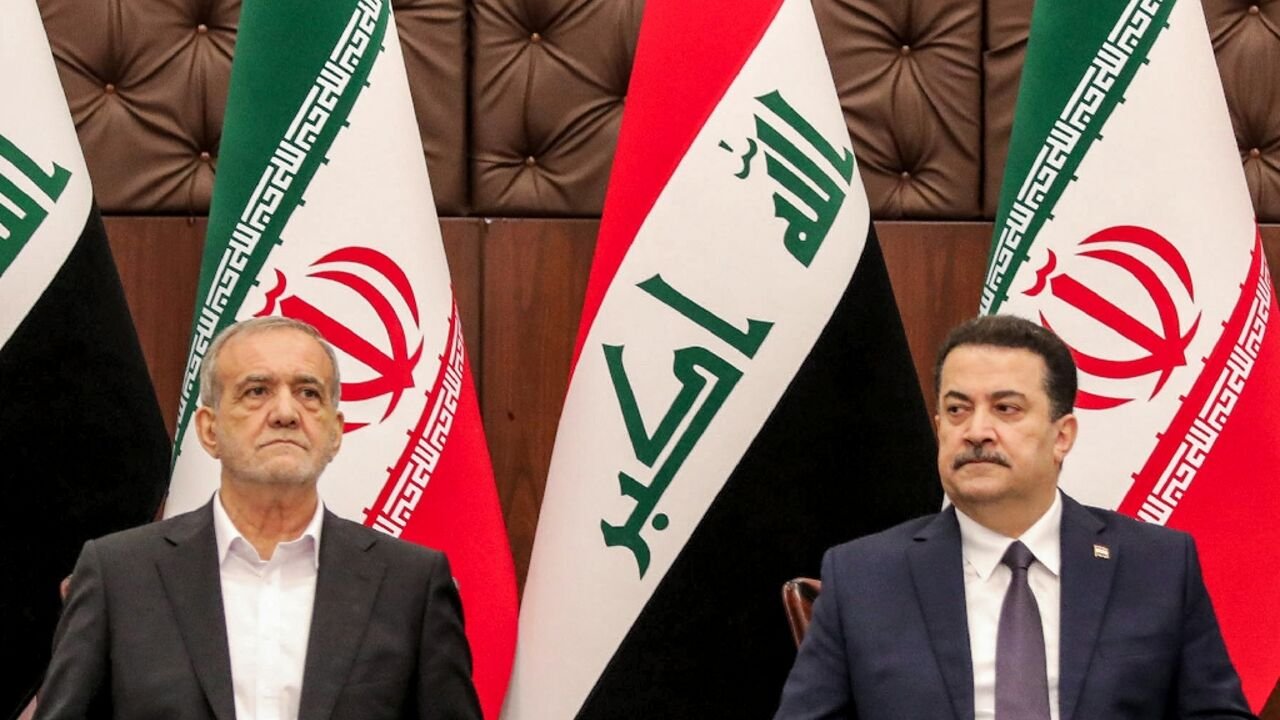
This article examines the effects of the 2025 Iraqi parliamentary elections on Iran’s political, security, and regional strategies, as well as their implications for U.S.–Iran rivalry.
Read More
 Dec 29
This article examines the effects of the 2025 Iraqi parliamentary elections on Iran’s political, security, and regional strategies, as well as their implications for U.S.–Iran rivalry.
 Dec 2
Dec 2
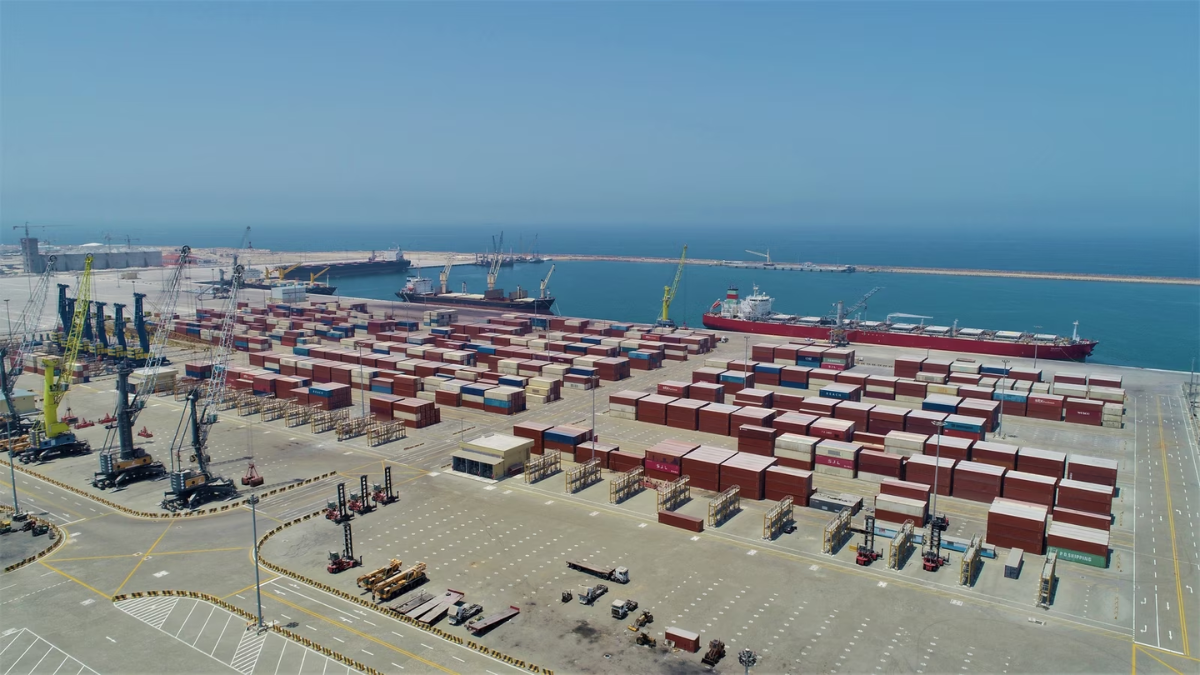
An analysis of the U.S. waiver extension for Chabahar Port and its impact on Iran’s geoeconomic strategy, regional transit networks, and ties with Afghanistan and India.
 Nov 13
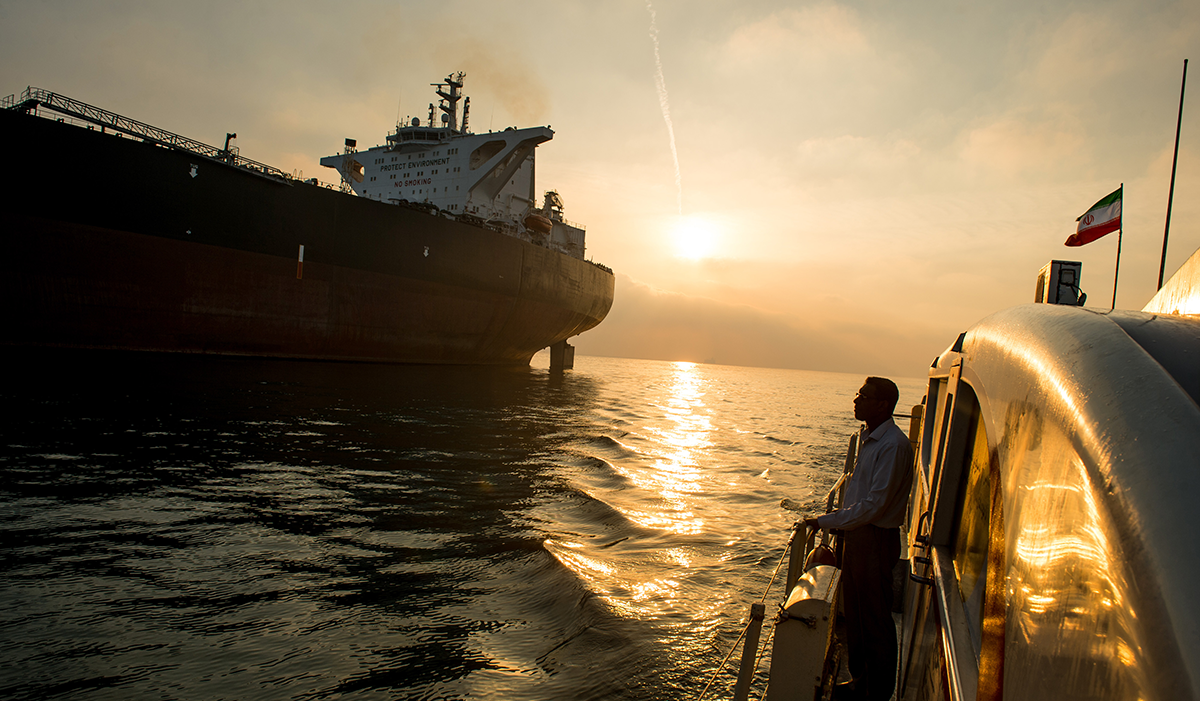
The year 2025 once again showcased Iran’s creativity in navigating international sanctions. Despite renewed restrictions by the UN and the United States, Iran managed to sustain much of its oil exports. Findings show that Iran relied on a hidden maritime network, ship-to-ship (STS) transfers, and documentation manipulation to obscure the origin of its oil. Malaysia’s involvement appears to stem less from formal cooperation and more from geographic convenience—many of these operations occurred in or near Malaysian waters.
 Oct 24
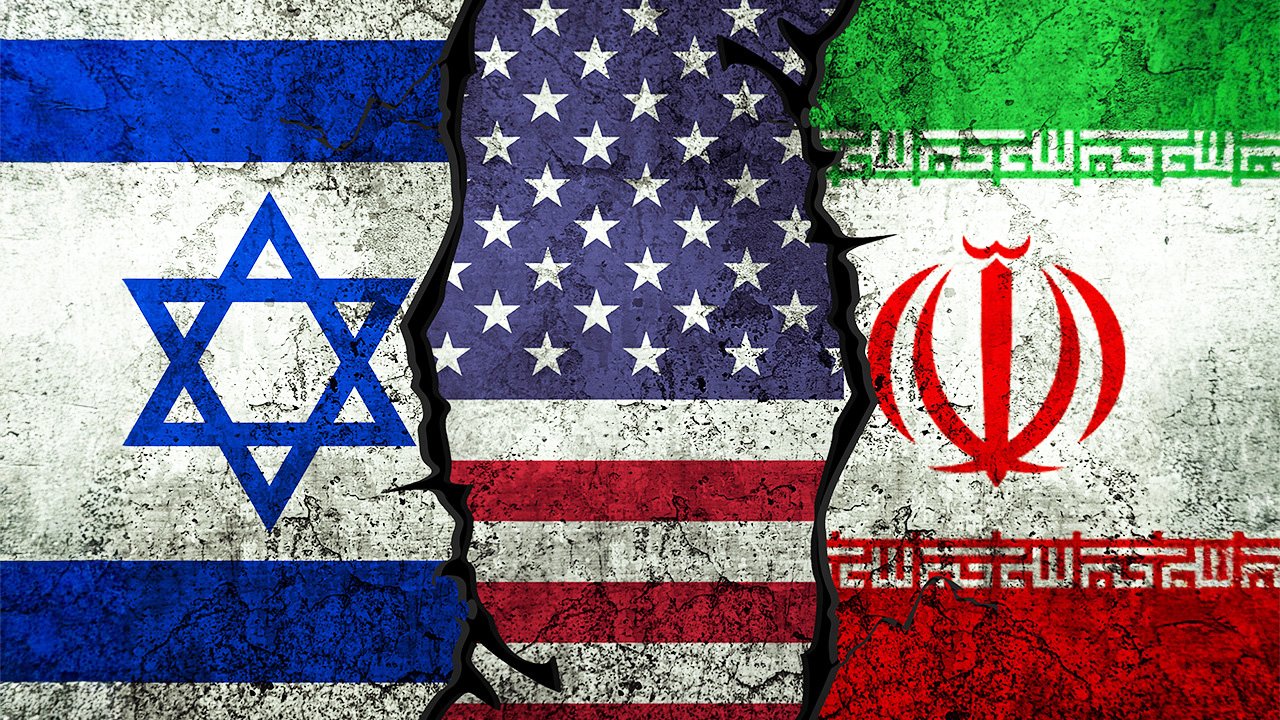
While the possibility of a second Israeli attack on Iran remains on the table, Iran’s regional posture and its relations with Israel continue to occupy a central position in international relations.
 Oct 13
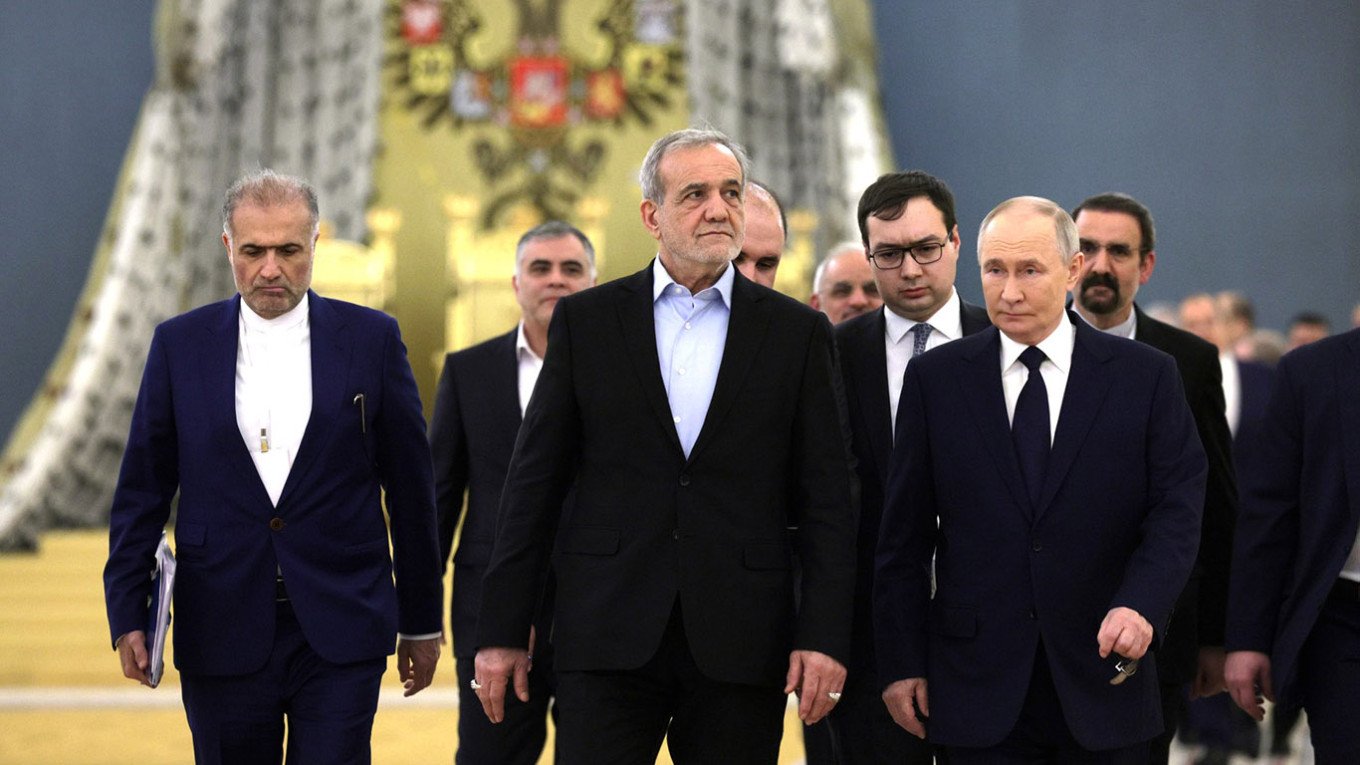
An in-depth analysis of Iran-Russia strategic and nuclear cooperation post-2025, exploring military collaboration, the impact of Western sanctions, the June 2025 conflict, and key nuclear energy projects.
 Sep 29
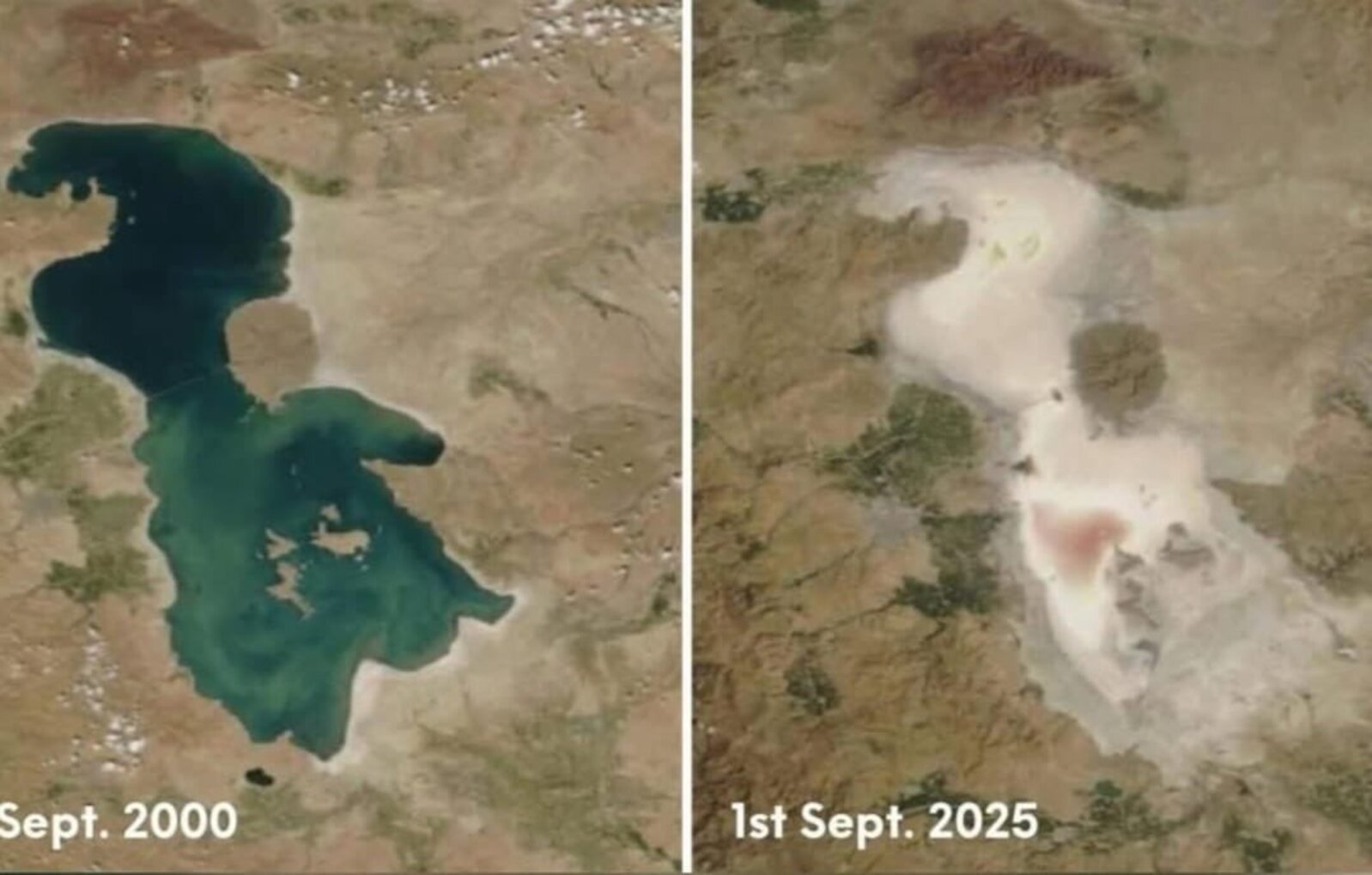
Lake Urmia's dramatic desiccation reflects a complex crisis driven by mismanaged water policies, climate change, and regional tensions. This article explores the environmental, economic, and cultural impacts of the lake's decline, highlighting its significance for Iran's Azerbaijani Turk population and broader geopolitical implications.
 Sep 19
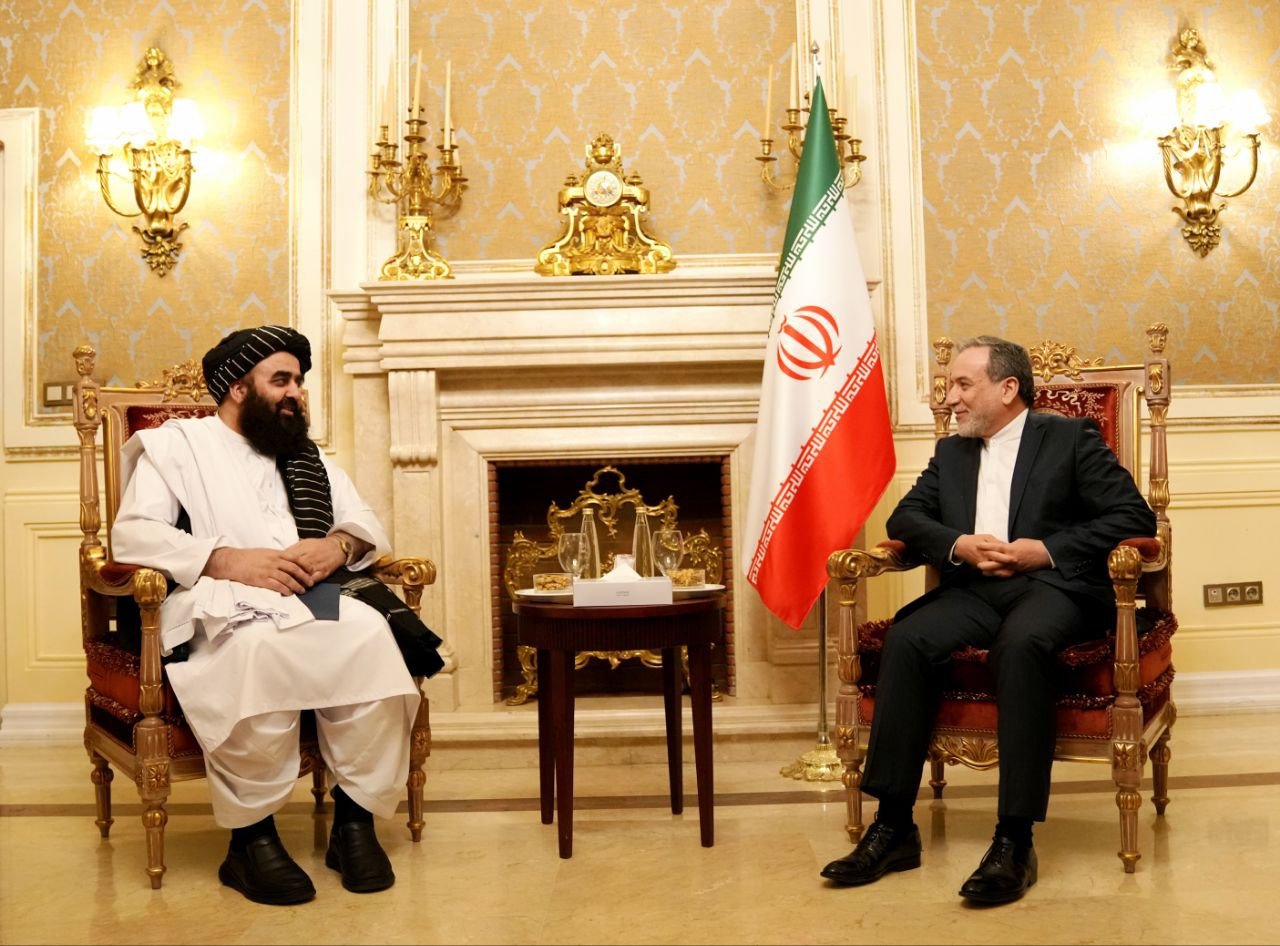
Although recent years have witnessed periods of relative diplomatic calm between Iran and Afghanistan, recent developments—particularly regarding transboundary water sharing and migration policies—suggest that the potential for renewed bilateral crises remains significant.
 Sep 08
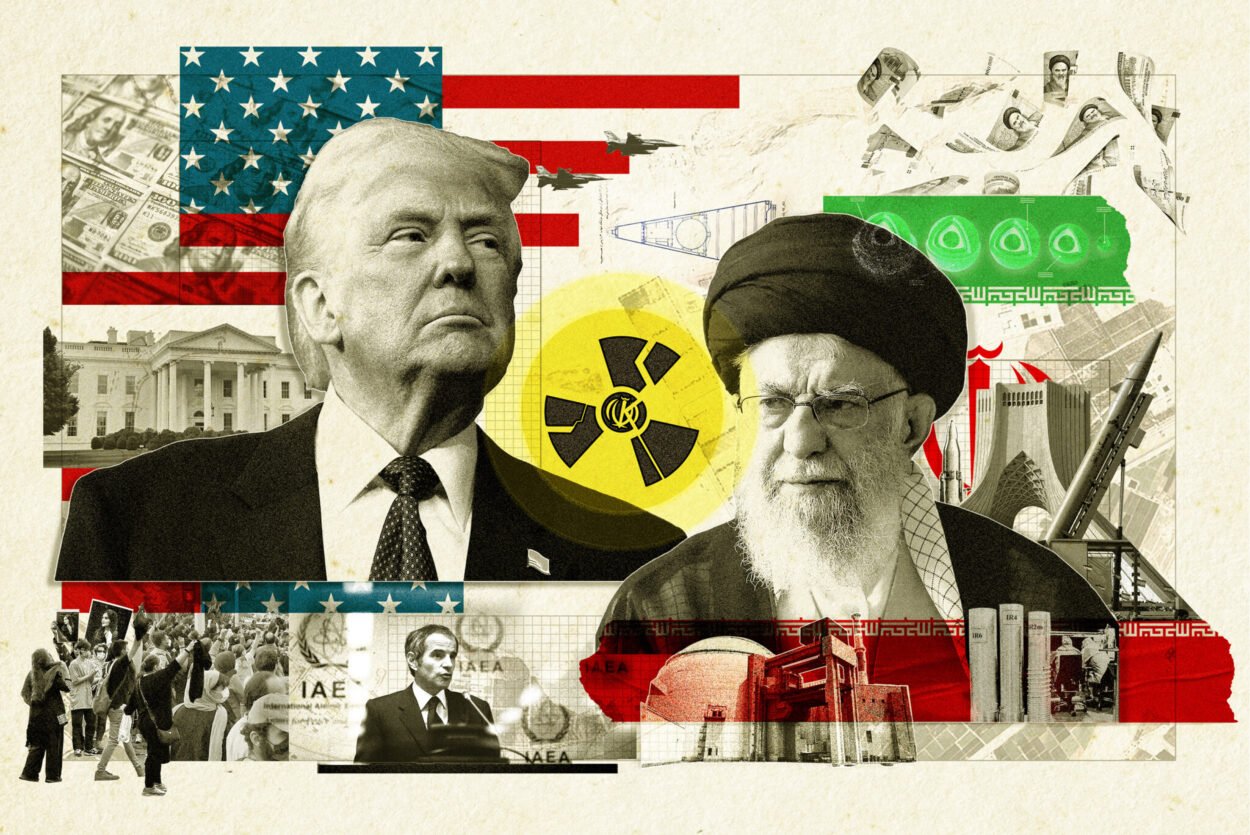
The reactivation of the snapback mechanism against Iran, alongside Iranian officials’ declarations of potential retaliation, is likely to generate significant consequences both regionally and internationally, potentially escalating tensions in an already volatile geopolitical landscape.
 Sep 05
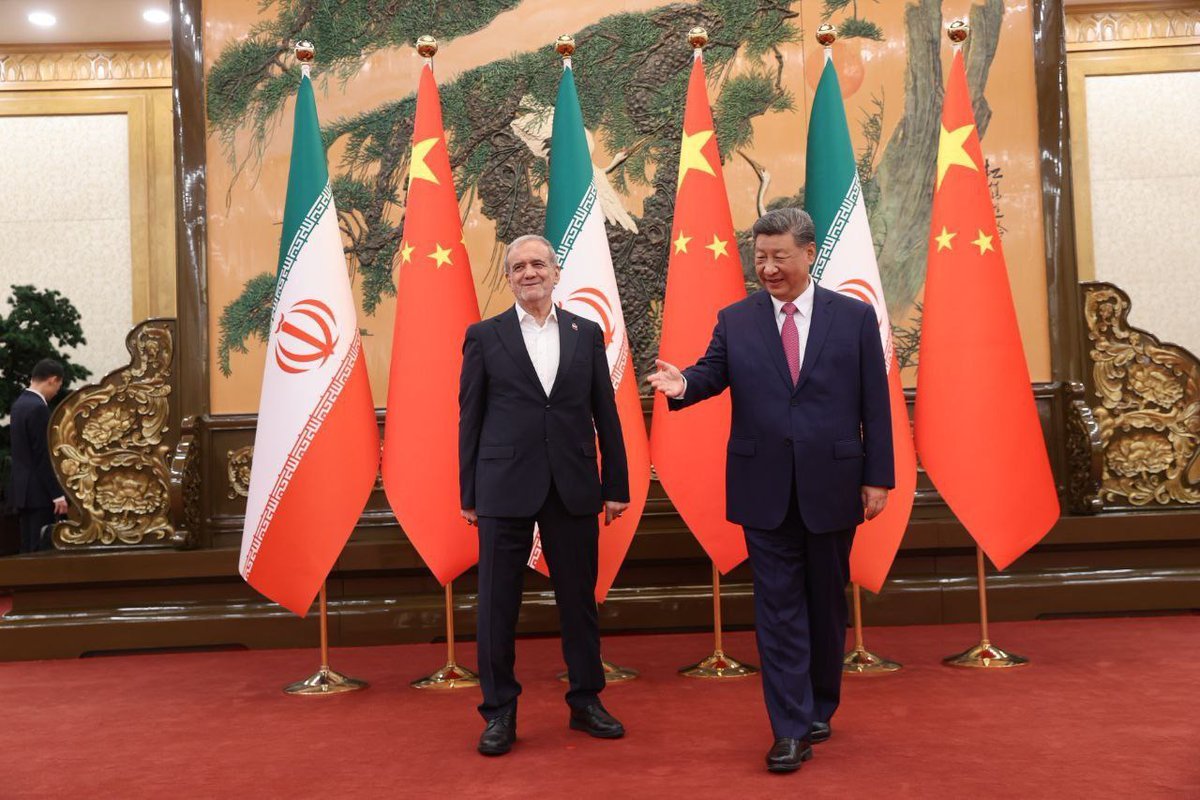
To what extent can Iran count on its strategic partnership with China? This article explores the limits of the China–Iran relationship, analyzing Beijing’s pragmatic approach, economic priorities in the Gulf, and commitment to neutrality in regional conflicts.
 Aug 27
An analysis of the JCPOA snapback mechanism under UN Security Council Resolution 2231, highlighting the legal disputes and diplomatic tensions between Iran and the European trio amid Iran’s nuclear activities, sanctions reinstatement threats, and ongoing IAEA negotiations ahead of the mechanism’s 2025 expiration.
 Aug 22
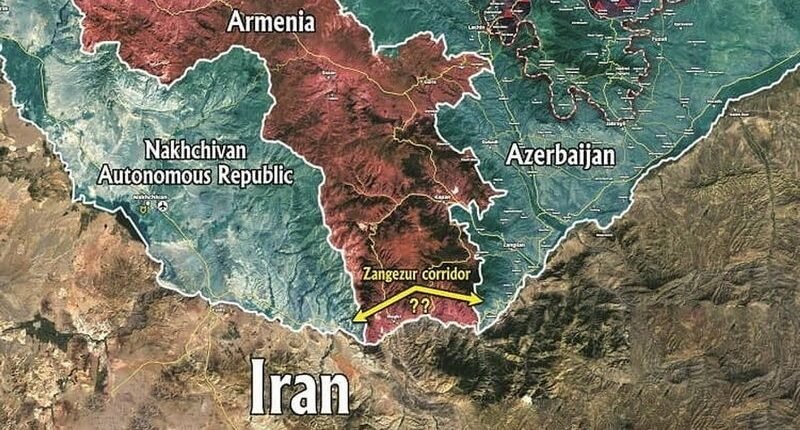
In 2025, under the mediation of the United States, a peace agreement was signed between Armenia and Azerbaijan, introducing the Zangezur Corridor as a strategic infrastructure project with the potential to reshape regional dynamics in the South Caucasus.
 Jun 12
Relations between the Islamic Republic of Iran and the United States remain adversarial and complex in the period from 2023 to mid-2025.
 May 18
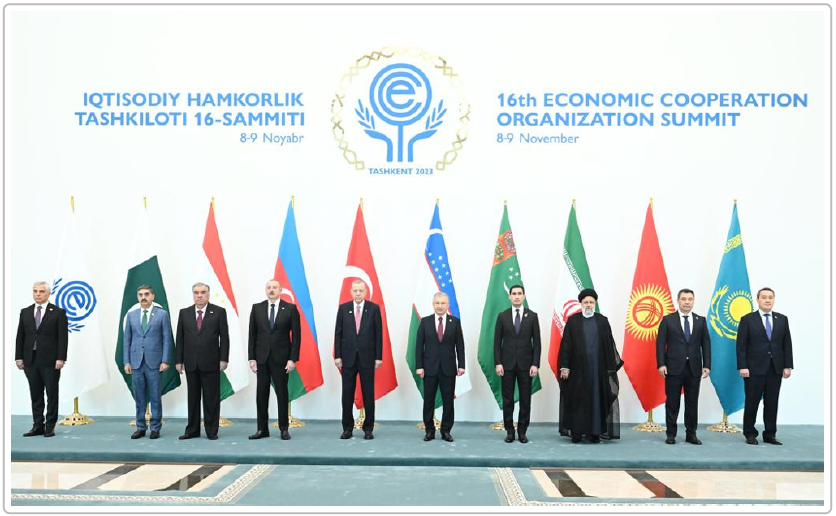
Iran’s engagement with Central Asia has accelerated since 2020 as Tehran pursues a multidimensional strategy in the region.
 May 15
Iran’s engagement with Africa has entered a new phase since 2023, marked by a rekindled diplomatic drive and ambitious outreach under President Ebrahim Raisi’s administration.
 May 12
Since 2023 Tehran has treated Africa as a geopolitical laboratory for expanding economic opportunities, breaking diplomatic isolation, and projecting hard- and soft-power influence.
 May 10
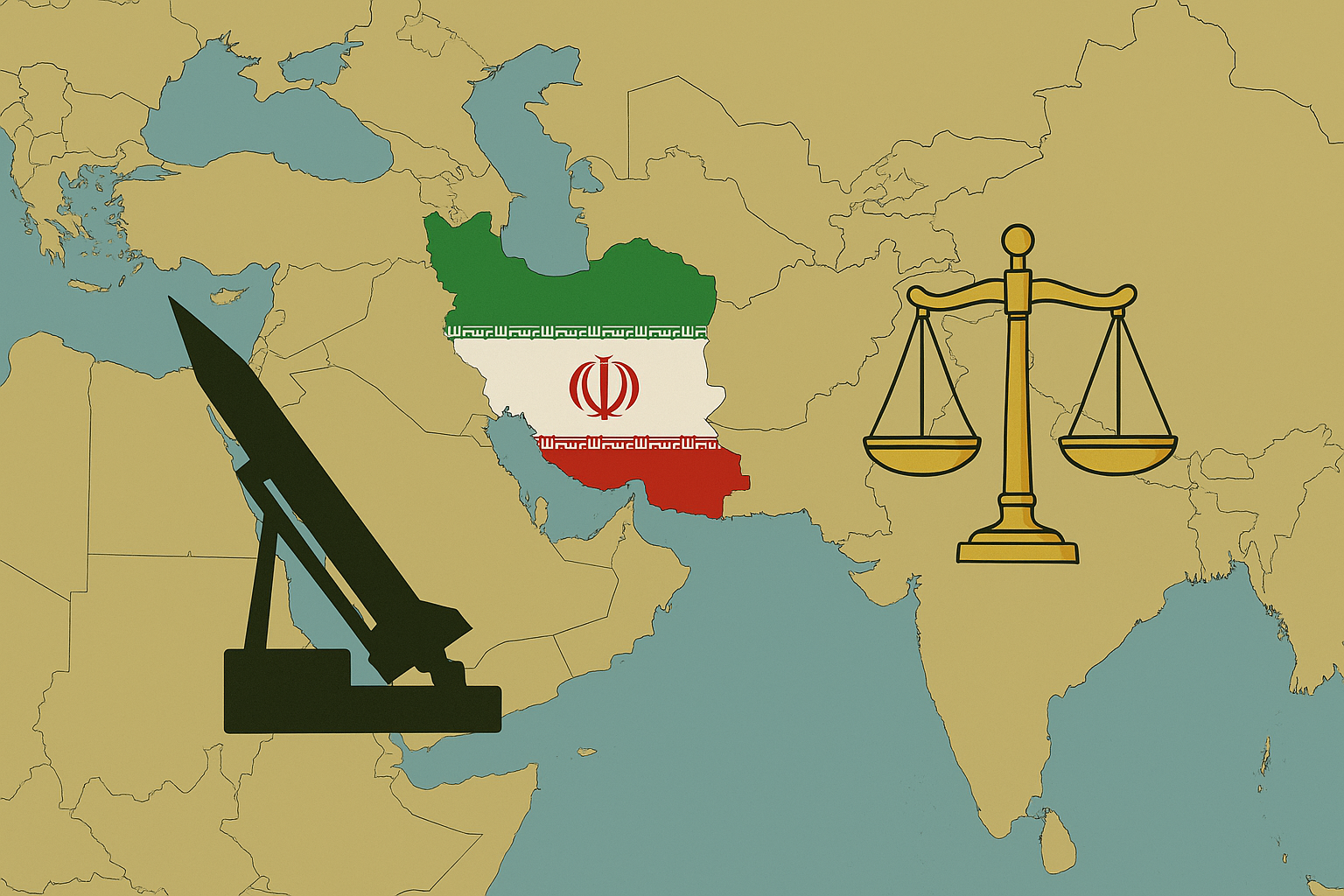
The Middle East holds a paradox at its core: it is one of the richest regions in terms of energy resources, yet one of the most vulnerable to their long-term consequences.
 May 5
May 5
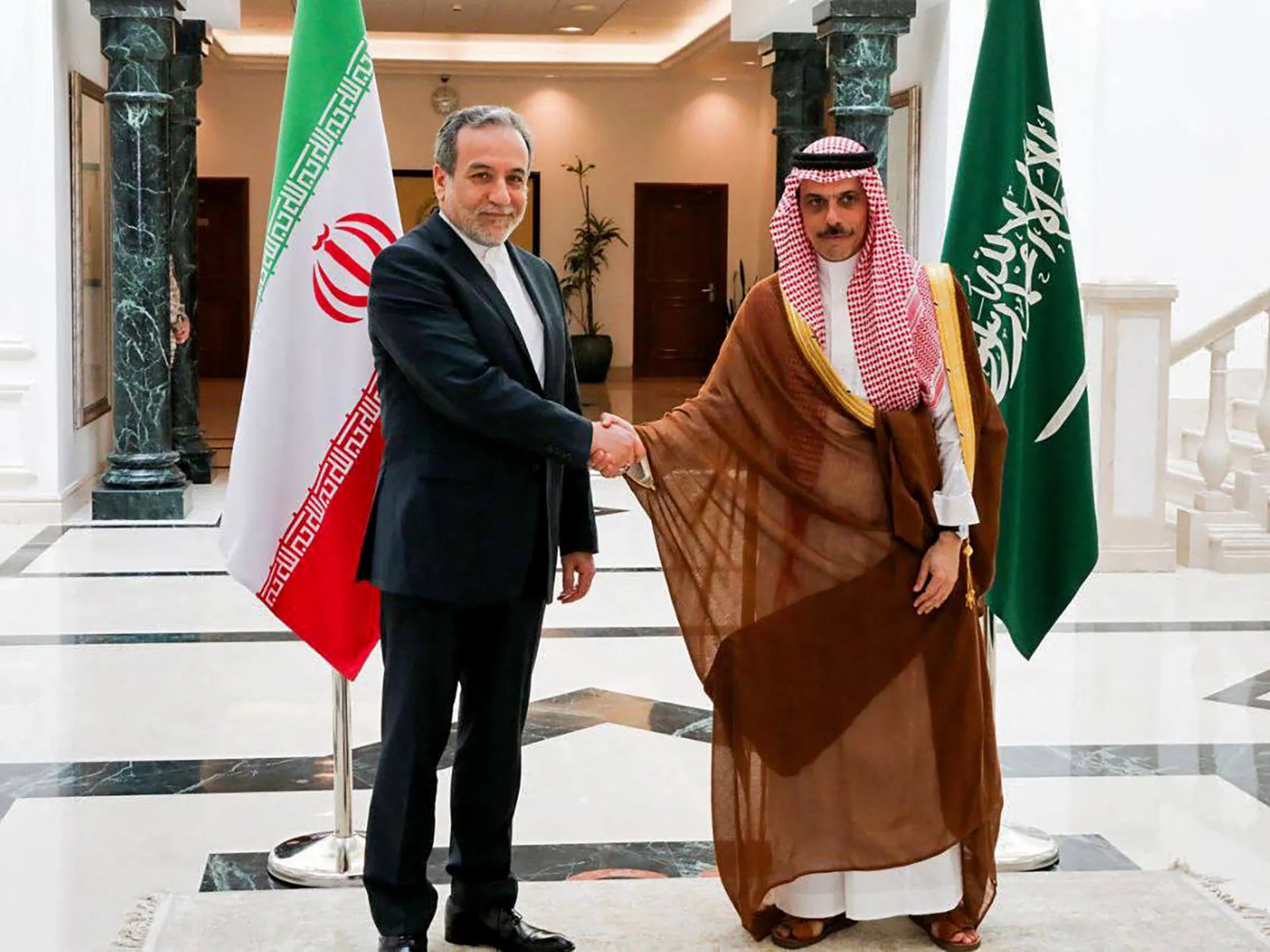
Iran’s role in the Middle East continues to be one of the most consequential and contested aspects of regional geopolitics.
 April 30
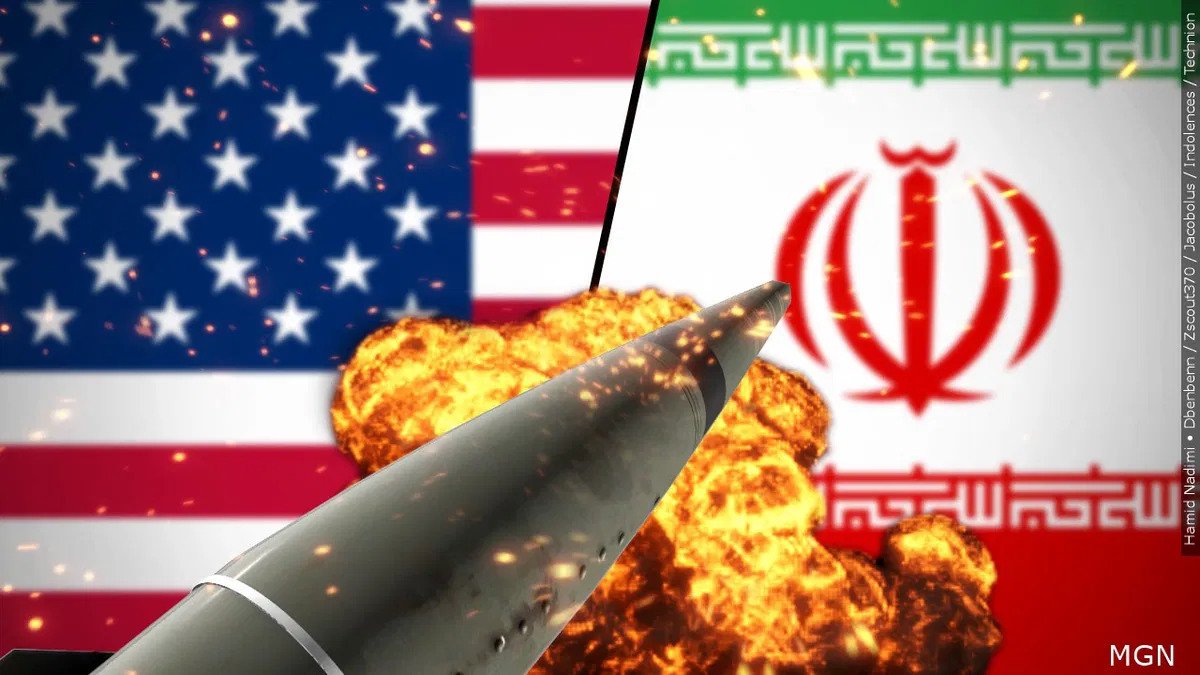
Iran’s policy in the Persian Gulf is a cornerstone of its regional strategy and a focal point of both cooperation and confrontation in Middle Eastern geopolitics.
 April 25
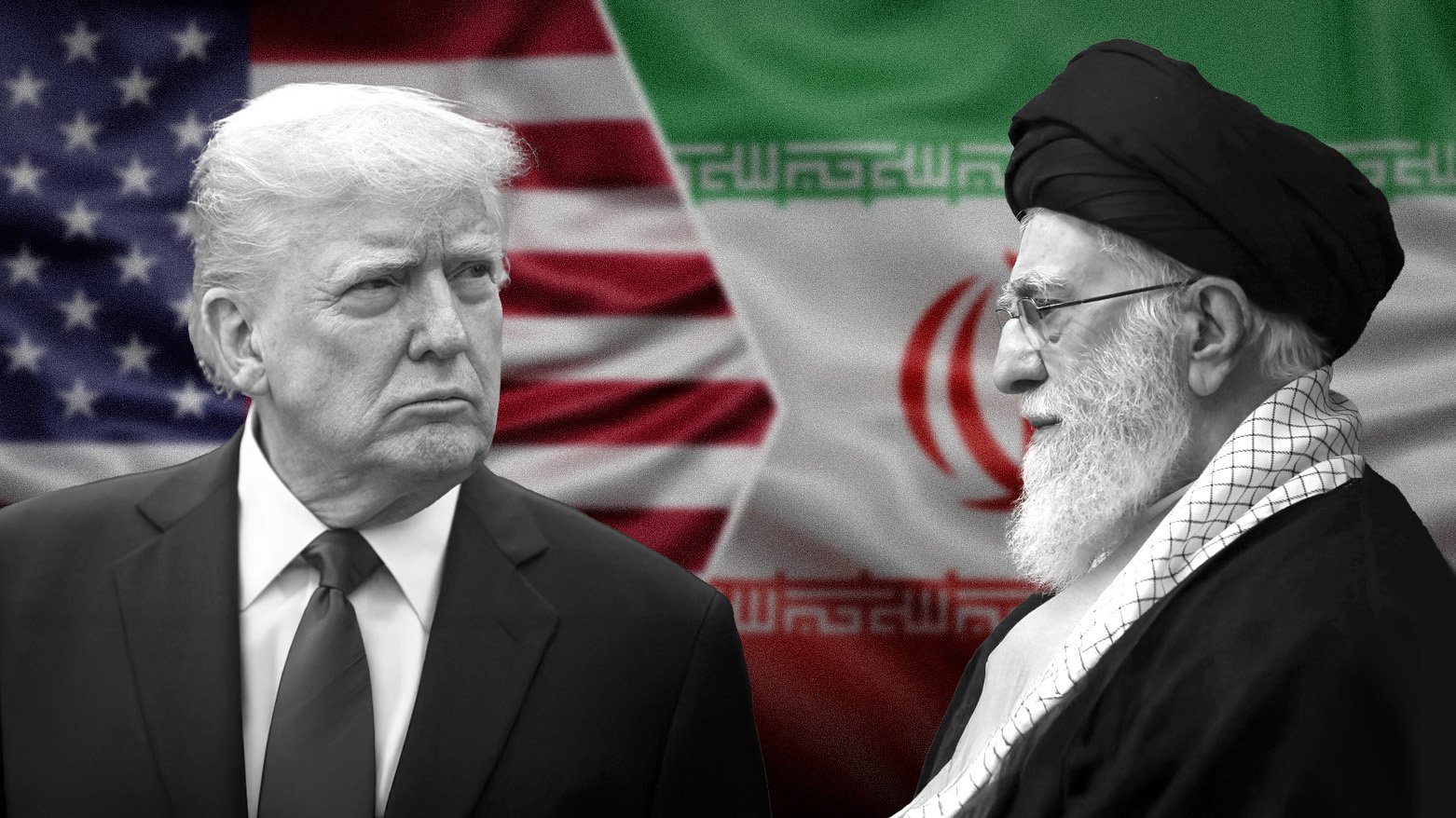
The international negotiations over Iran’s nuclear program stand among the most complex and enduring diplomatic efforts of the 21st century.
 April 12
The relationship between the United States and the Islamic Republic of Iran stands as one of the most enduring and complex antagonisms in modern international affairs.
 April 10
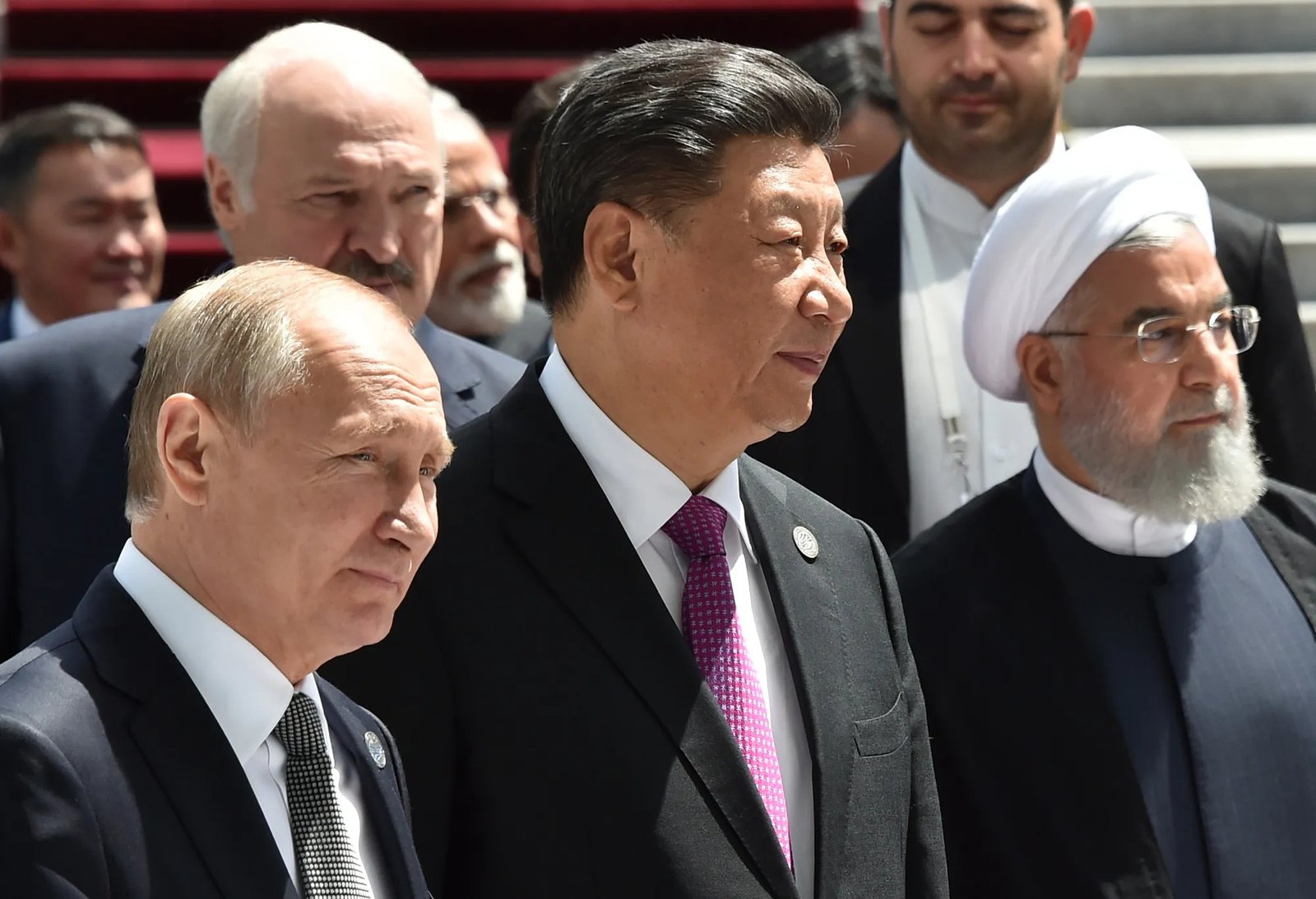
In the shifting landscape of global power, the trilateral relationship between Iran, Russia, and China has emerged as a significant axis of geopolitical interest.