The Strategic Position of Chabahar for Iran
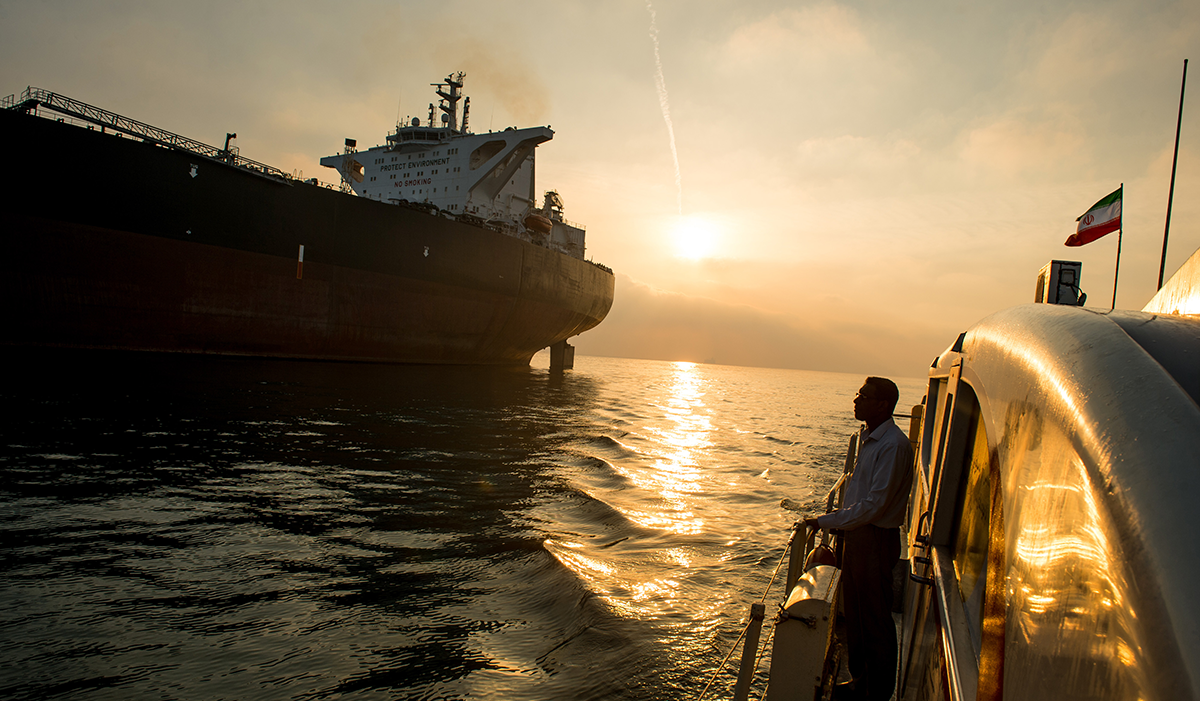
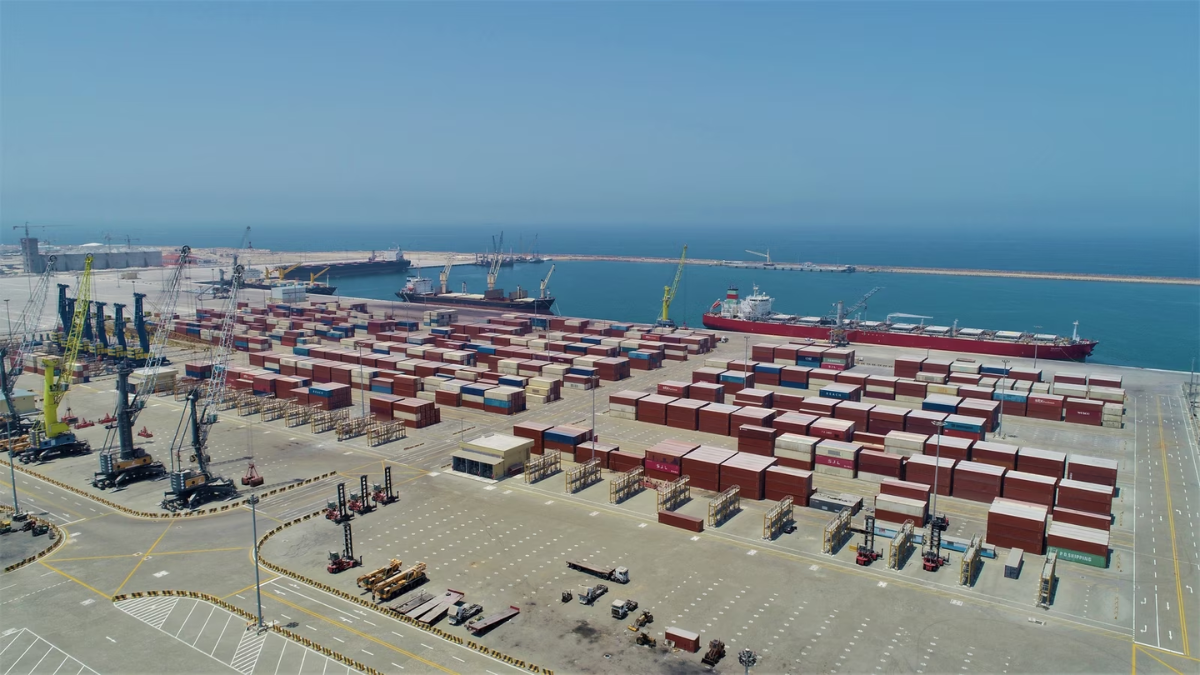
The U.S. decision in October 2025 to extend the sanctions waiver for the Chabahar Port for an additional six months represents not only a temporary diplomatic concession but also a development with far-reaching implications for Iran’s geoeconomic posture. Chabahar stands as Iran’s most strategically significant maritime outlet on the Indian Ocean, enabling Tehran to maintain access to open-sea trade routes independent of the Strait of Hormuz and to counterbalance Pakistan’s Gwadar Port, which has been deeply embedded within China’s Belt and Road Initiative. The ten-year terminal operation agreement signed with India in 2024 has formalized Iran’s long-standing ambition to transform Chabahar into a permanent logistical hub linking South Asia, Central Asia, and the Middle East.
By channeling greater volumes of regional trade through Chabahar, Tehran seeks to insulate its economy from external pressure, particularly U.S. sanctions, while projecting itself as a stable and indispensable transit provider. The continuation of the waiver, even amid Washington’s broader coercive posture toward Iran, reflects an implicit recognition of the port’s stabilizing function for Afghanistan and the wider region. For Iran, the extension offers not only economic breathing space but also an opportunity to accelerate infrastructure investments, streamline customs procedures, and expand multimodal connectivity linking Chabahar to Iran’s domestic transport grid and onward to its eastern neighbors.
Iran’s Regional Economic Positioning: The Afghanistan and India Dimensions
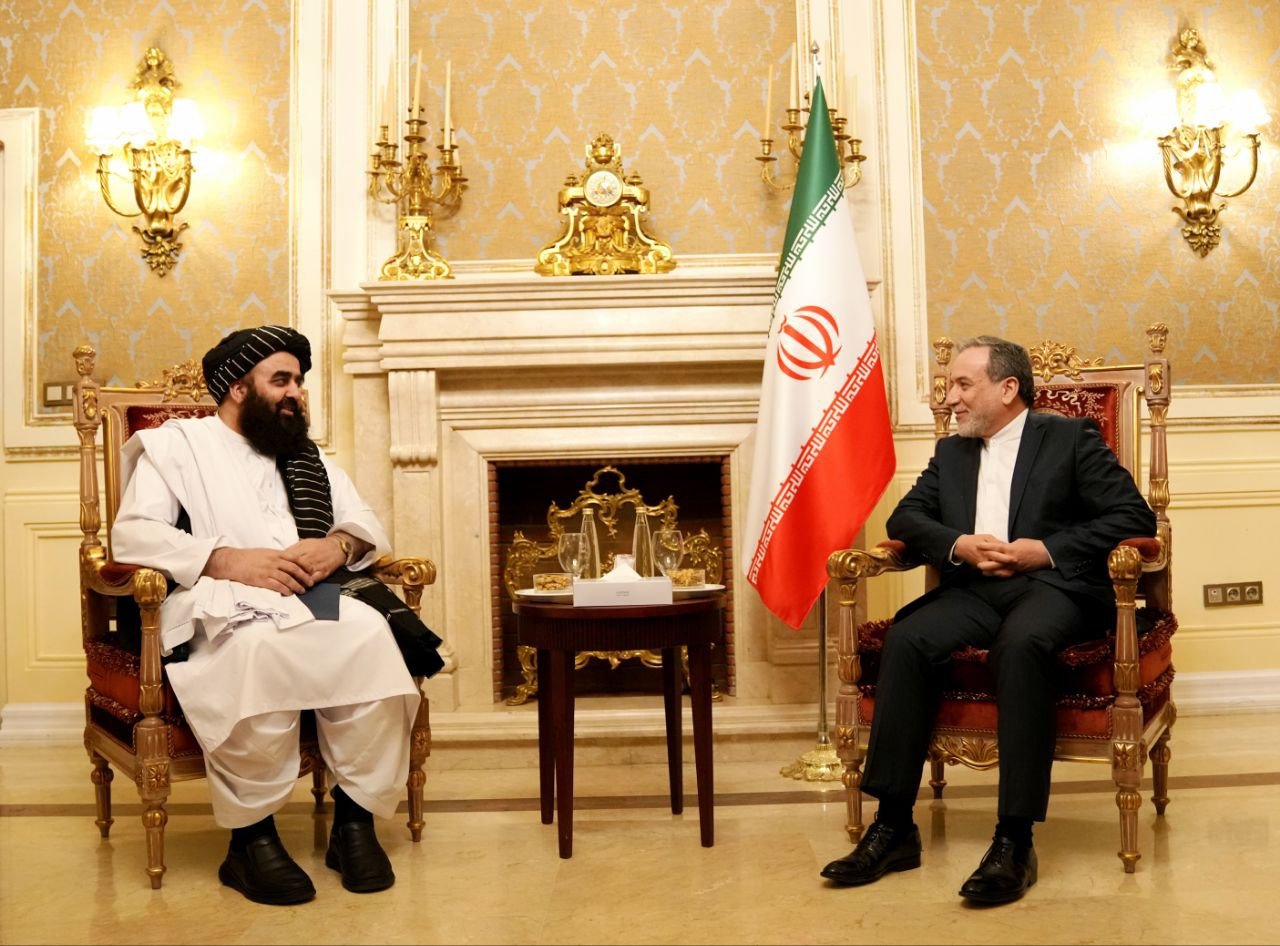
Economic relations between Iran and Afghanistan—historically complicated by water disputes, border tensions, and shifting political dynamics—have entered a phase of pragmatic recalibration by 2025. The high-level visit by Iran’s Minister of Industry, Mining, and Trade to Kabul illustrated the extent to which both sides view economic interdependence as a means of reducing volatility and incentivizing cooperation. Discussions on increasing the port’s capacity for Afghan cargo, strengthening the Khaf–Herat railway for sustained freight operations, and improving the efficiency of the Milak–Zaranj crossing point underscore a shared recognition that regional trade corridors can serve as instruments of stabilization in an otherwise uncertain political environment.
The gradual redirection of Afghan transit flows toward Iran has also been propelled by the deepening rift between Kabul and Islamabad. Since the Taliban’s ascent to power in 2021, Pakistan’s imposition of higher taxes, stricter controls, and arbitrary delays on Afghan-bound cargo has imposed heavy costs on Afghan traders. These frictions have made Iranian routes—particularly Chabahar—more attractive and predictable, enhancing Iran’s leverage in shaping Afghanistan’s external economic orientation. The Taliban’s explicit expression of interest in investing in Chabahar reflects the emerging perception within Kabul that relying exclusively on Pakistani ports is no longer sustainable.
Parallel to this, the Chabahar–Zahedan railway continues to be a cornerstone of Iran’s strategy to anchor itself within a long-term transregional supply chain. Although India’s participation in the project was suspended in 2020 due to the intensification of U.S. sanctions, Iran has continued the construction process independently, achieving substantial progress by 2025. Tehran’s repeated invitations for New Delhi to rejoin the project suggest that Iran views India not merely as a partner of convenience but as a key component of a broader Asian connectivity architecture. Nonetheless, the uncertainty surrounding U.S. sanctions remains a structural obstacle to deeper India–Iran cooperation, limiting both sides’ ability to institutionalize their collaboration at the pace originally envisioned.
The Place of Chabahar in Iran’s Geoeconomic Vision
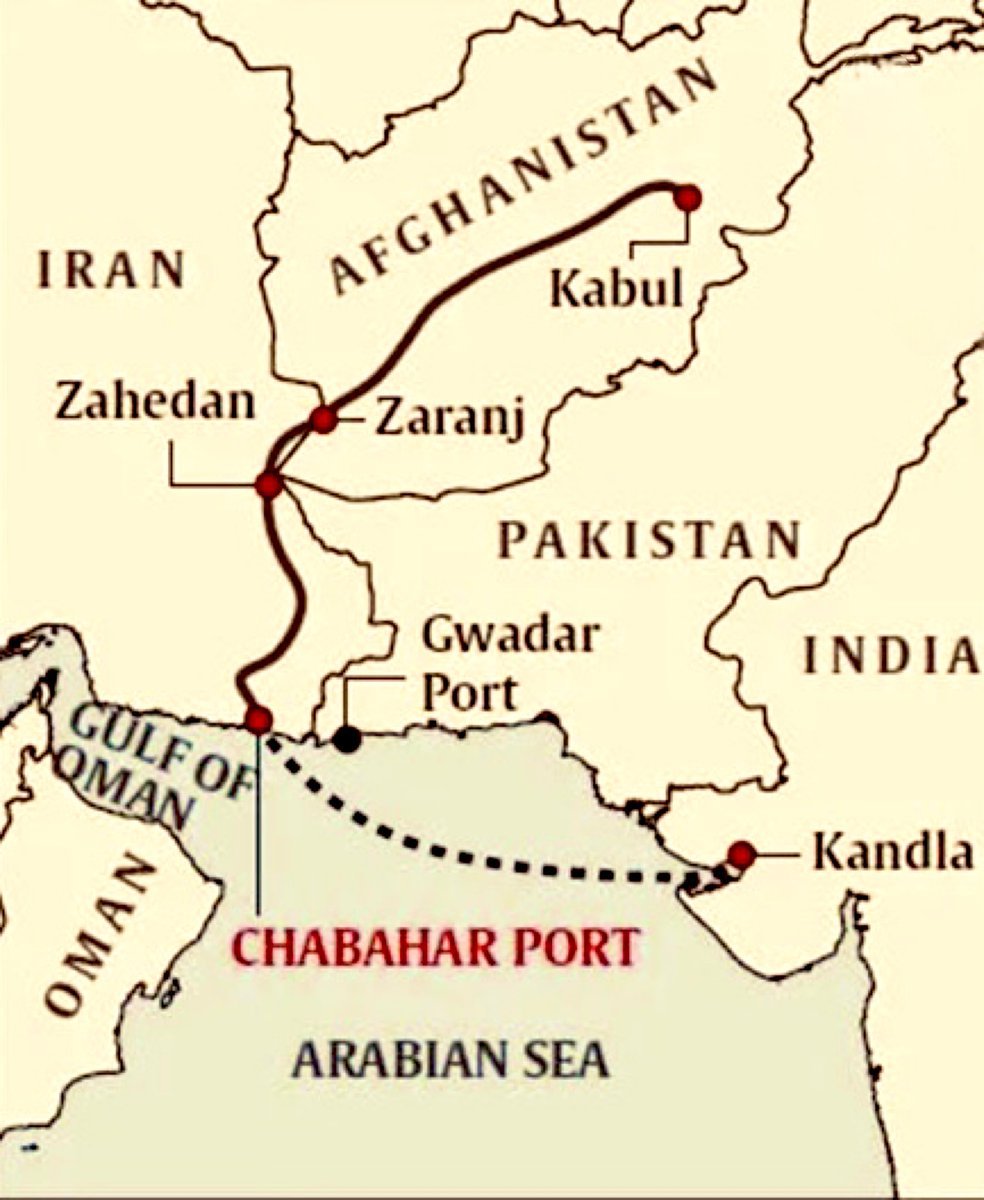
Viewed collectively, these developments reaffirm that Chabahar is one of the few strategic platforms that allow Iran to navigate an increasingly complex foreign policy environment marked by sanctions, regional rivalries, and shifting power alignments. The port is central to Tehran’s vision of establishing an independent and reliable transit corridor connecting the Persian Gulf to South and Central Asia, thus reducing the country’s logistical vulnerabilities and enhancing its role as a regional intermediary. Beyond its economic significance, Chabahar enables Iran to cultivate long-term partnerships with Afghanistan and India, two actors whose geopolitical choices will shape the trajectory of Asian connectivity in the coming decade.
Whether the United States chooses to renew the waiver after six months will serve as a critical indicator of the extent to which Washington is willing to accommodate regional stability considerations within its pressure-oriented Iran policy. A non-renewal could slow, but not necessarily halt, Iran’s efforts to institutionalize Chabahar as a major transit node; conversely, another extension would provide Tehran with the continuity needed to solidify the port’s role in regional trade networks. In this sense, the coming period marks a decisive moment in determining whether Chabahar evolves from a temporary facilitator into a durable and indispensable component of Iran’s regional geoeconomic architecture.