Implications of the 2025 Iraqi Elections for Iran
One of the main issues that has come to the fore in the country’s politics following the 2025 Iraqi parliamentary elections is the future of armed groups and their position within the state structure. Simultaneously with the widespread assessment that the election results have increased the weight of political actors close to Iran in parliament, an intense domestic debate has begun in Baghdad on disarmament, the monopolization of arms by the state, and the integration of armed elements into official institutions. This debate is not confined solely to security policies, but also bears a decisive character with respect to the process of government formation and the redefinition of political legitimacy.
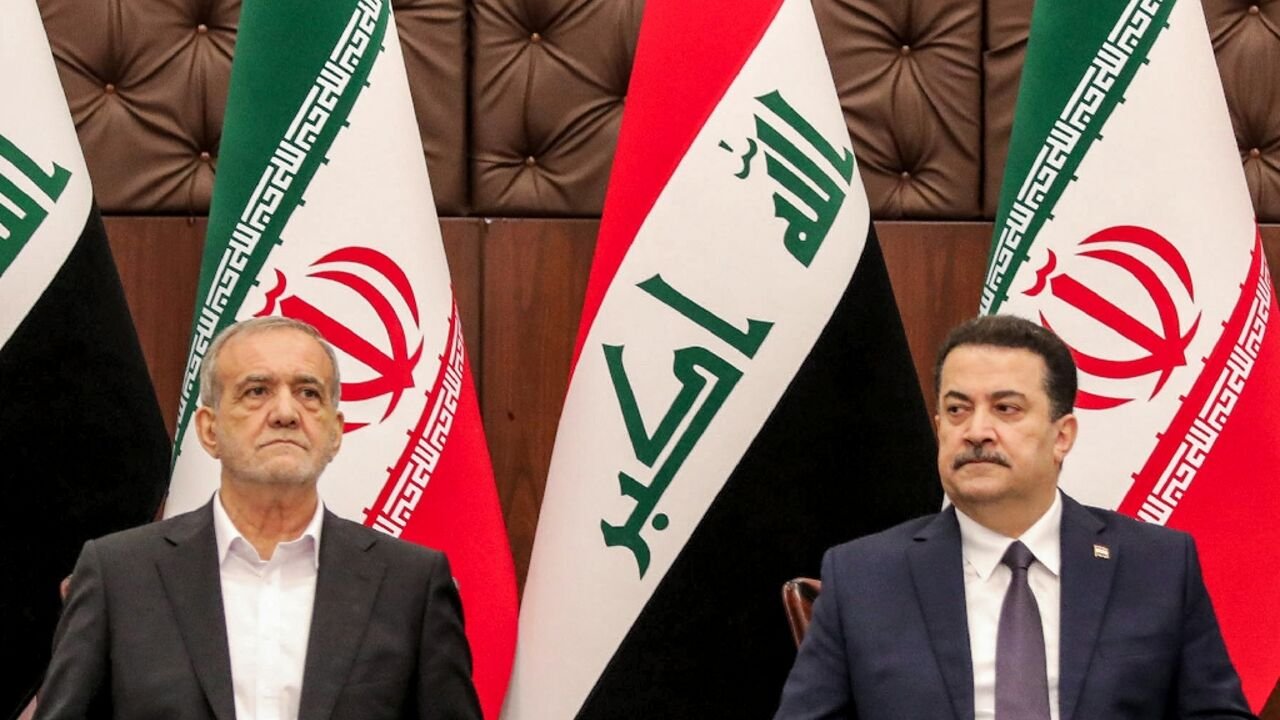
According to sources close to the Coordination Framework, meetings attended by Prime Minister Mohammed Shia’ al-Sudani as well as Qais al-Khazali and former Prime Minister Nouri al-Maliki discussed mechanisms for determining the status of armed groups and bringing them under state control. In these talks, some groups stated that, under the current political conjuncture, political participation rather than armed activity represents “the most rational option,” thereby signaling an orientation toward civilian life and institutional politics. By contrast, other actors warned that a disarmament process whose scope and timing are unclear could create a serious security and authority vacuum.
The main source of uncertainty concerns the scope of the plan under discussion. It has not become clear whether the disarmament process will cover the entirety of the Hashd al-Shaabi, which is recognized by the Iraqi state as an official security institution, or only those armed groups operating outside this structure. This situation demonstrates that the issue of arms in Iraq is not merely a technical security problem, but is directly linked to the state’s capacity for sovereignty and the nature of the political order.
The United States’ Approach and Iran’s Position
The United States has rapidly intervened at the diplomatic level in the debates on disarmament in Iraq. While the U.S. representative to Iraq, Mark Savaya, expressed that they welcome the steps to be taken, he emphasized that the process should be conducted within a binding and national framework. Washington’s approach rests on the principle that the authority to bear arms and use force should constitutionally belong exclusively to the state. In this framework, the U.S. advocates either the complete dissolution of armed groups or the integration of their members into civilian life or official state institutions.
However, this stance stands in a complex relationship with the broader U.S. interests in Iraq. The Iraqi economy is deeply dependent on U.S. financial mechanisms, particularly through oil revenues and the banking system. The management of oil revenues through accounts at the Federal Reserve Bank and the flow of dollars under Washington’s supervision grant the United States a significant degree of leverage. At the same time, Iraq’s electricity production still relies to a considerable extent on natural gas imported from Iran, and the United States has not been able to offer a sustainable alternative that would eliminate this dependence.
Iran’s position in this process is notably cautious. Although some groups opposing disarmament have contacted Esmail Qaani, commander of the Quds Force of Iran’s Islamic Revolutionary Guard Corps, they have reportedly not received any explicit and binding guidance, indicating that Tehran is pursuing a deliberate strategy of ambiguity. While Iran does not favor the complete disarmament of its allies in Iraq, it also does not wish these groups, through overt military activities, to create a pretext for direct intervention by the United States or Israel.
Some political actors within the Coordination Framework consider the political integration of armed groups as a necessary step for the strengthening of stability and sovereignty. This approach does not envisage the total elimination of armed capacity, but rather its reorganization within state institutions and the continuation of a lower-profile deterrent posture. In this way, it is aimed to reduce international pressure and strengthen Iraq’s internal political legitimacy.
U.S.–Iran Rivalry and the Formation of the New Government
Some commentators present the steps toward disarmament as a sign of a shift in regional power balances to the detriment of Iran. However, the Iraqi case does not support this interpretation. The discussions on disarmament began after the elections, at a time when, according to many observers, actors close to Iran had strengthened their position in parliament. Furthermore, the fact that some judicial and bureaucratic figures advocating the transfer of arms under state control are themselves known to be close to Iran suggests that this process is related to internal political balances rather than an external imposition.
In this context, the trend toward disarmament may be interpreted less as a decline in Iran’s regional influence and more as a pragmatic arrangement to facilitate the formation of a new government. Through this transformation, some actors who had been excluded from governmental processes by Washington on the grounds that they were armed may become able to participate in the political process. The process appears to aim not at the dissolution of the Hashd al-Shaabi, but at a clearer definition of its legal status and areas of responsibility. However, the draft law on this matter currently before parliament has not yet been enacted due to internal political disagreements and U.S. pressure.
Relations between Iraq and the United States contain a structural dependency due to the economic and institutional framework established in the post-2003 period. This system, which extends from oil revenues to banking oversight, provides the U.S. with a significant sphere of influence. At the same time, Iraq’s trade relations with Iran—especially in the field of energy—continue to be indispensable for the functioning of the national economy.
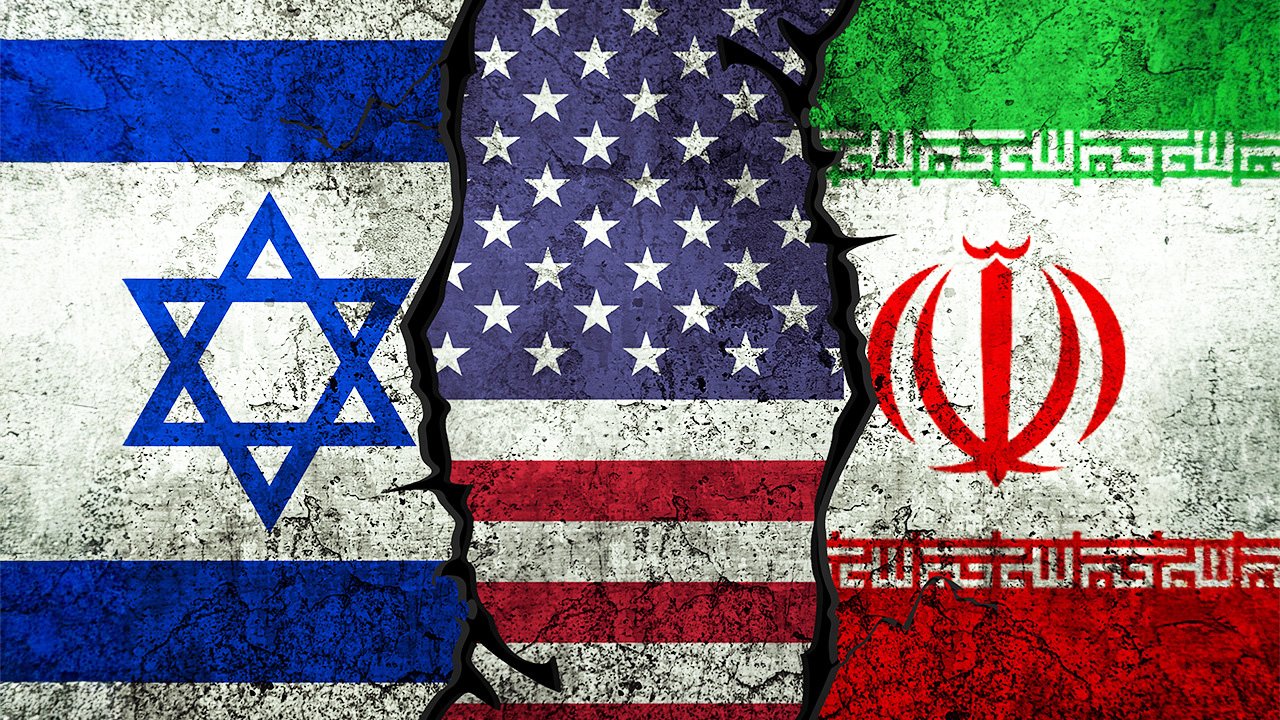
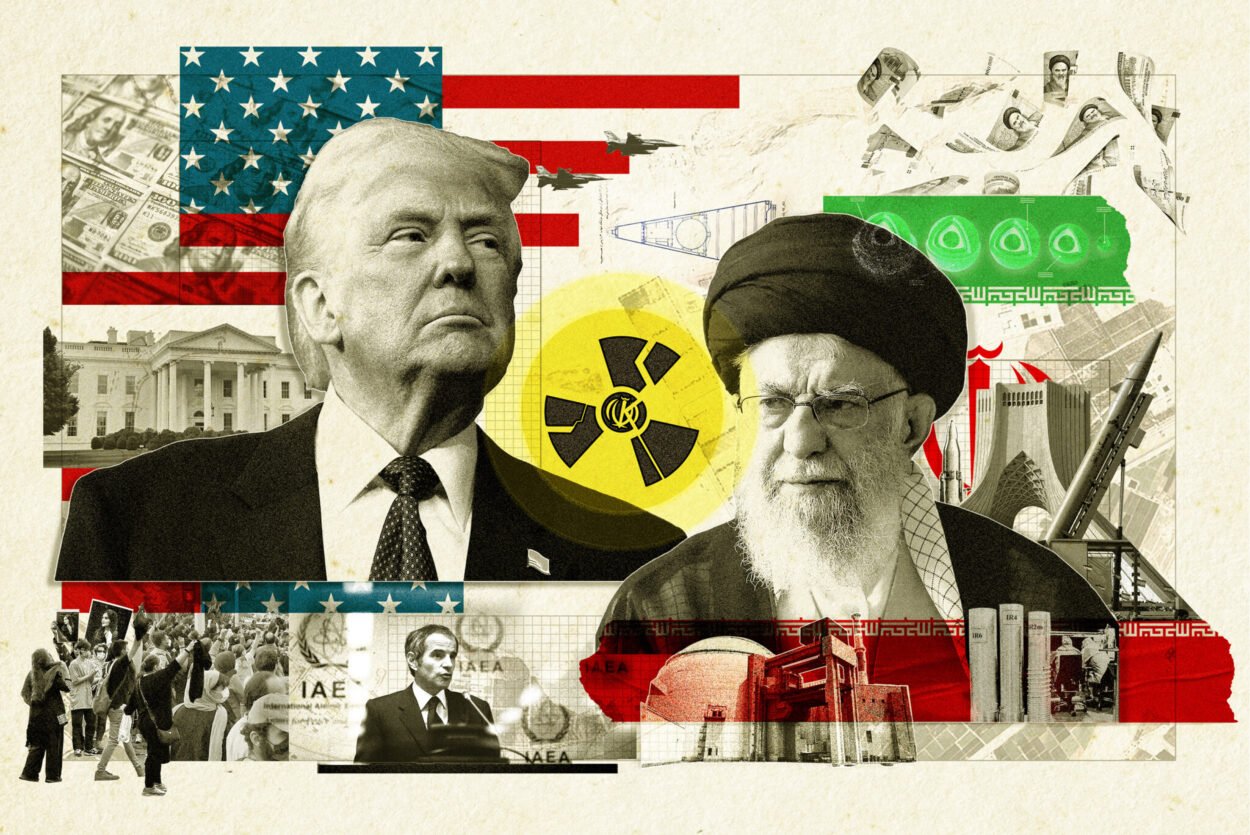
In conclusion, in the aftermath of the 2025 elections, Iraq has entered a more opaque yet more intense phase of U.S.–Iran rivalry. The politicization of armed actors is transforming the form of the conflict rather than eliminating it. In the short and medium term, Iran’s influence in Iraq is likely to continue more through political and bureaucratic channels than military instruments. Nevertheless, any miscalculation by either side has the potential to drag Iraq back into open conflict dynamics. For this reason, the current process should be evaluated as a transitional period that contains fragility as much as it promises stability.