Iran’s Sanctions-Evasion Tactics and Malaysia’s Shadow Role
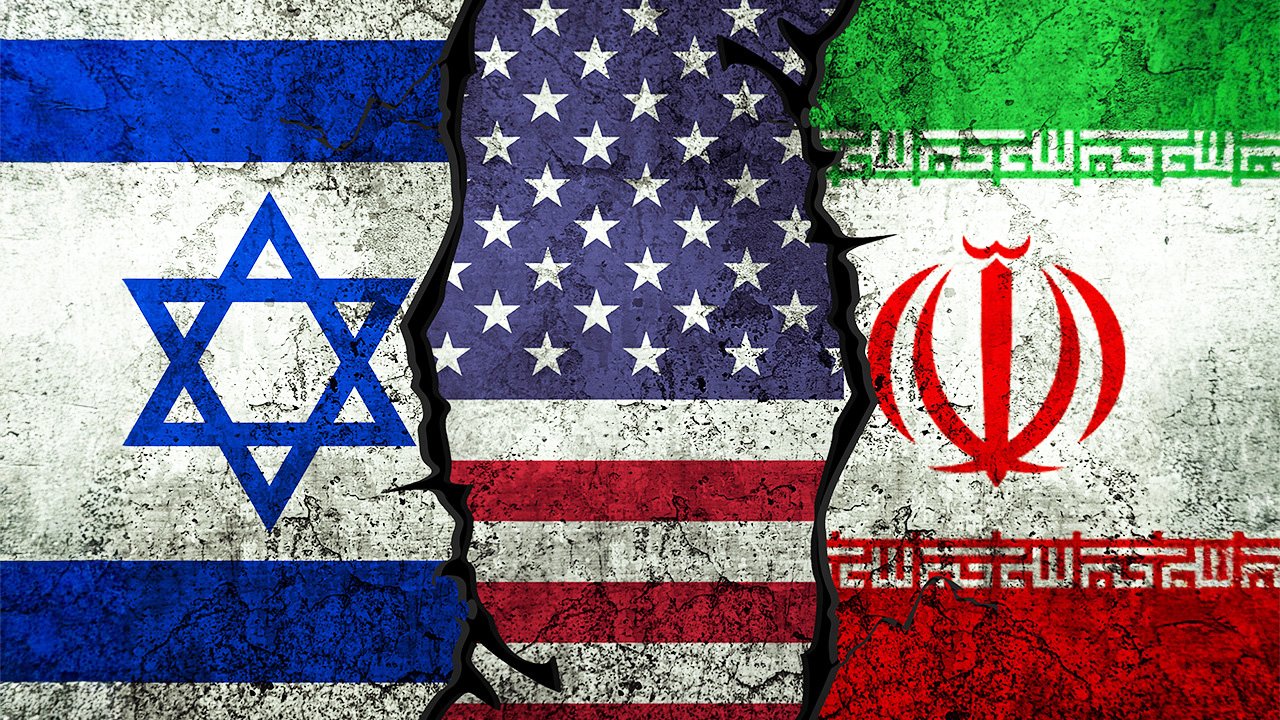
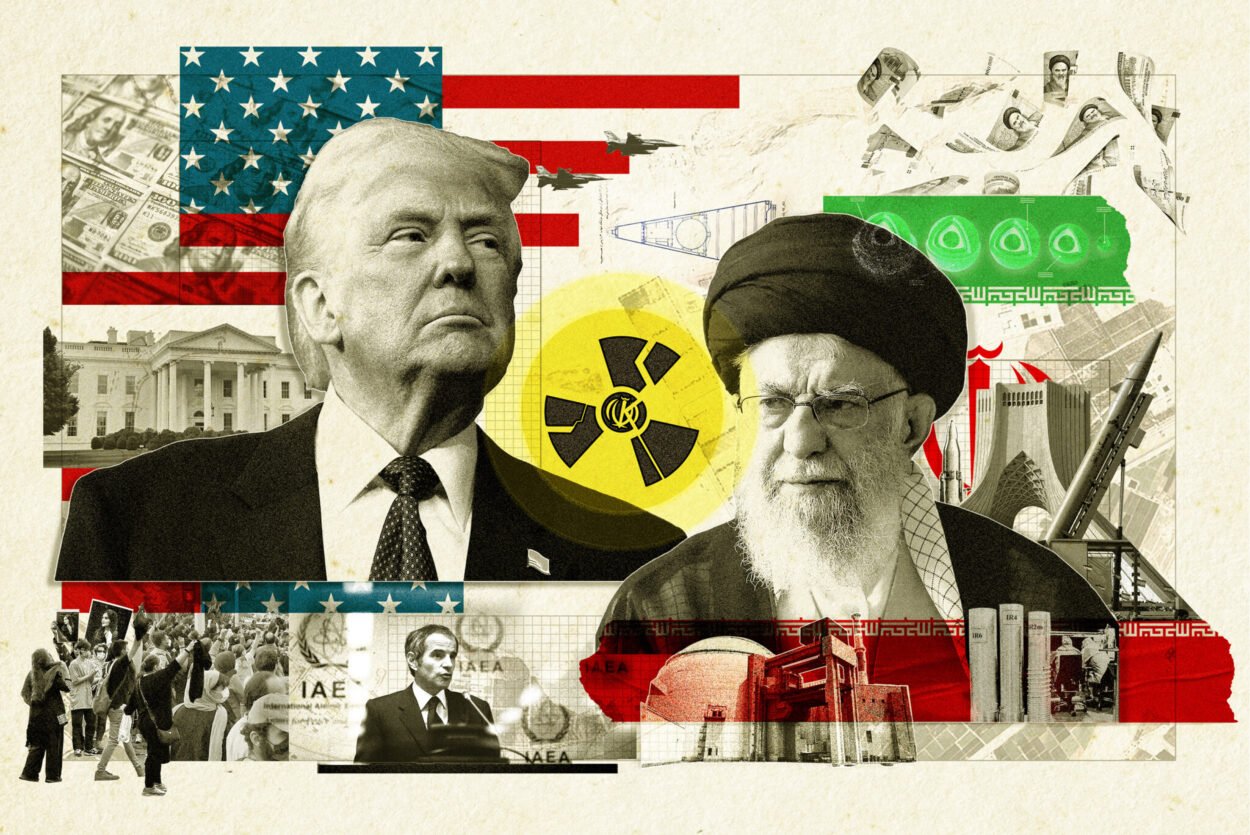
Israel's decision to strike Iran stems from its security concerns about Iran’s nuclear ambitions and regional influence. A nuclear-armed Iran is seen as an existential threat, given both its direct threats to Israel and its support for hostile proxy groups such as Hezbollah and Hamas. Additionally, Iran’s missile capabilities heighten Israel’s security fears. Therefore, Israel’s military actions are aimed at preventing Iran from acquiring nuclear weapons and limiting its growing influence in the region.The year 2025 once again showcased Iran’s creativity in navigating international sanctions. Despite renewed restrictions by the UN and the United States, Iran managed to sustain much of its oil exports. Findings show that Iran relied on a hidden maritime network, ship-to-ship (STS) transfers, and documentation manipulation to obscure the origin of its oil. Malaysia’s involvement appears to stem less from formal cooperation and more from geographic convenience—many of these operations occurred in or near Malaysian waters.
Iran’s Primary Methods
Throughout 2025, Iran operated a multilayered export system combining technological tricks and bureaucratic loopholes:
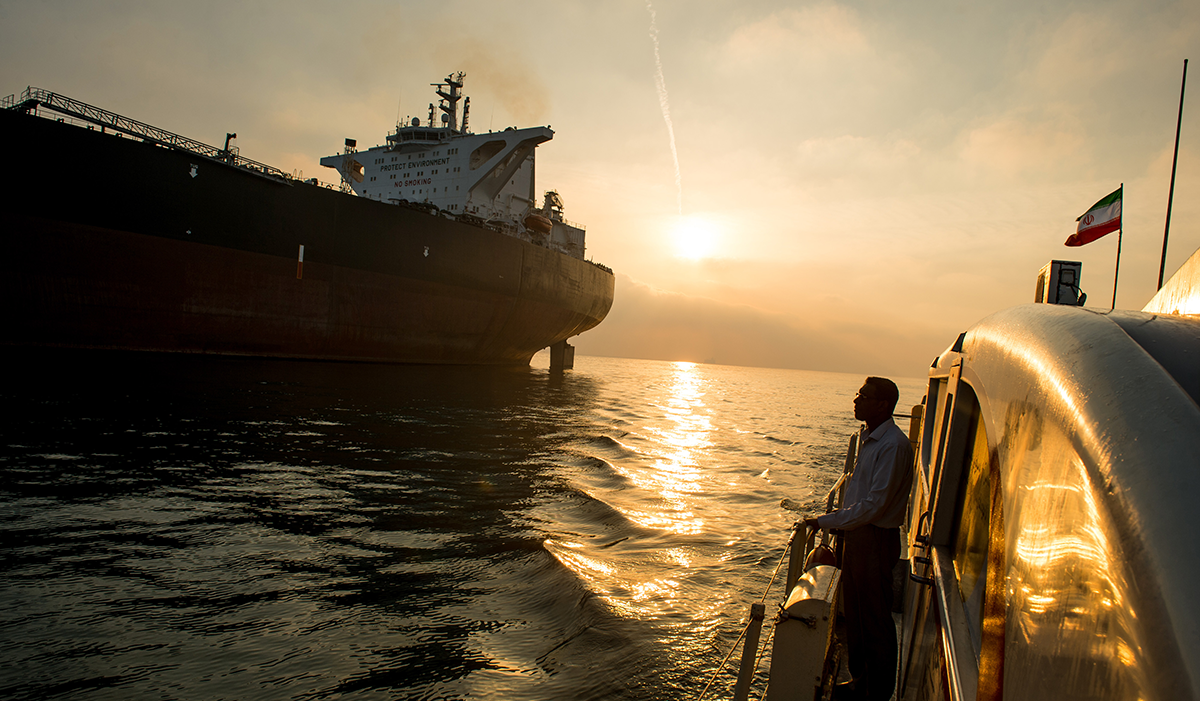
- Shadow fleet: Tankers carrying Iranian crude hid ownership and registration details. Many operated under different flags or changed their names frequently.
- Ship-to-ship transfers (STS): Oil was moved between tankers at sea, often outside territorial waters, allowing Iran to mask the cargo’s origin in port records.
- AIS blackout: Vessels routinely turned off their Automatic Identification System (AIS) transponders, disappearing from radar for days or weeks.
- Document and origin manipulation: Cargoes were re-labeled as “Malaysian blend” or “Oman blend,” blurring their true provenance.
- Intermediary companies and alternative payments: Offshore shell companies, cryptocurrency transfers, and barter systems channeled proceeds back to Iran through indirect routes.
Taken together, these methods created a functioning shadow economy in which the source, carrier, and buyer of Iranian oil were systematically obscured.
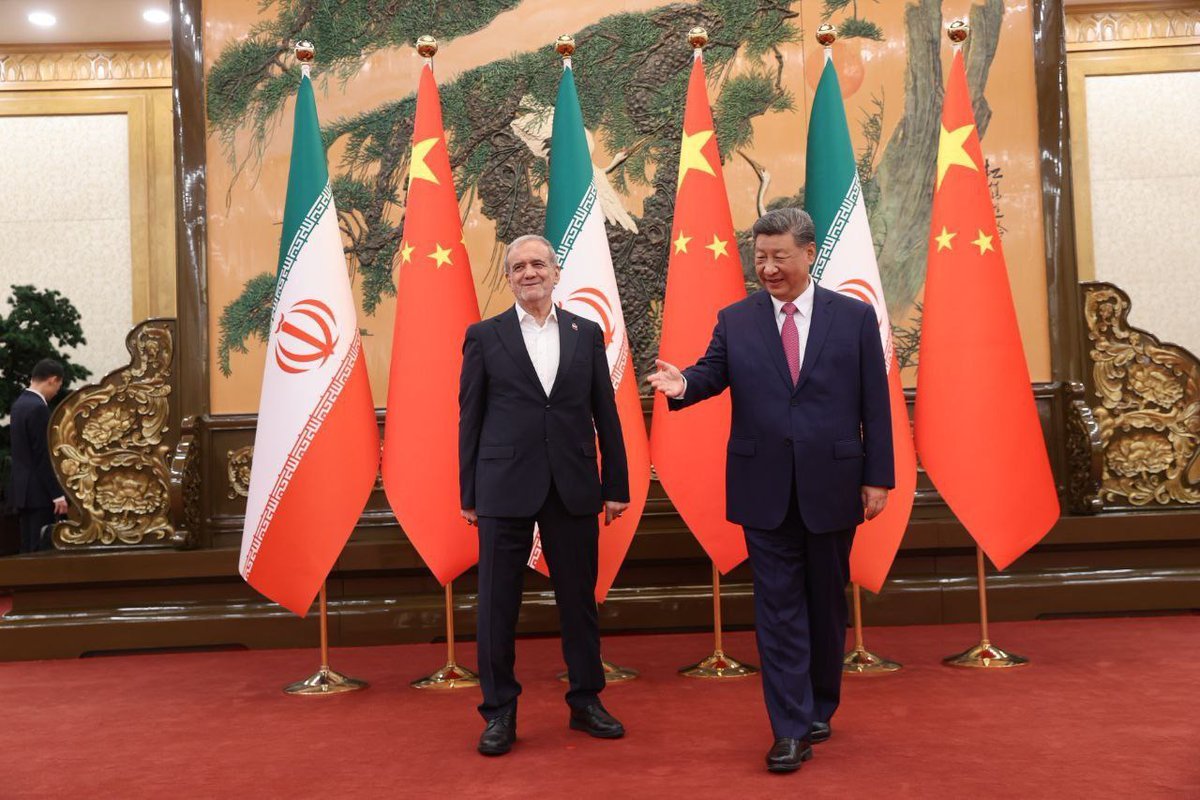
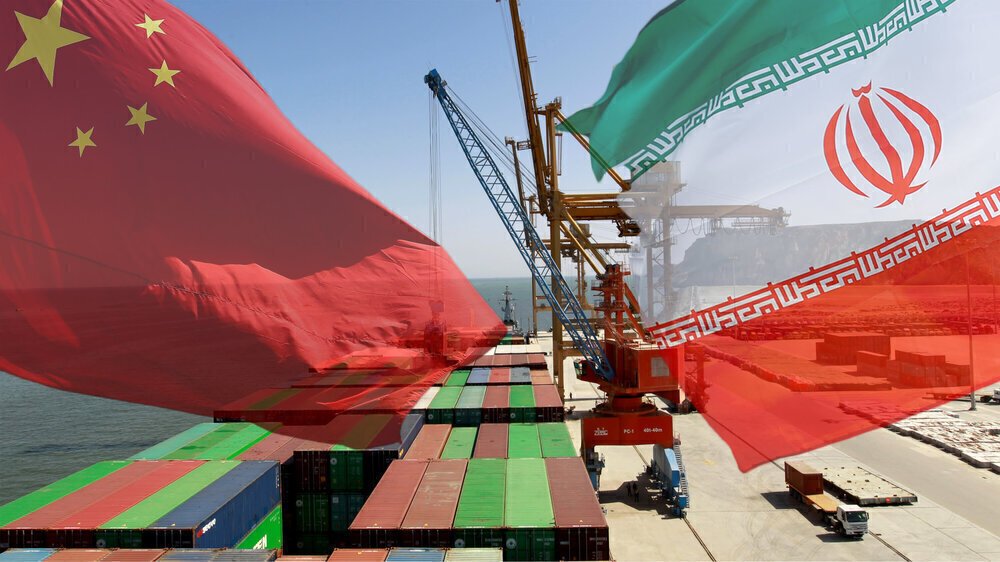
In this vein, despite renewed sanctions pressure, China’s imports of Iranian crude have remained strong in recent months. TankerTrackers data show exports reaching nearly 2.3 million barrels per day in early November 2025, the highest since 2018. Analytics firms Kpler and Vortexa reported only a slight dip to around 1.4 million bpd in September, close to the three-month average of 1.52 million bpd, underscoring the trade’s resilience. Meanwhile, Al Arabiya revealed that Tehran and Beijing continue a “largely secret barter system” for crude exports that helps Iran bypass U.S. restrictions. Overall, current data indicate that while volumes fluctuate slightly, Iran-China oil flows remain at elevated levels, sustaining one of Tehran’s most vital economic lifelines.
Malaysia’s Role
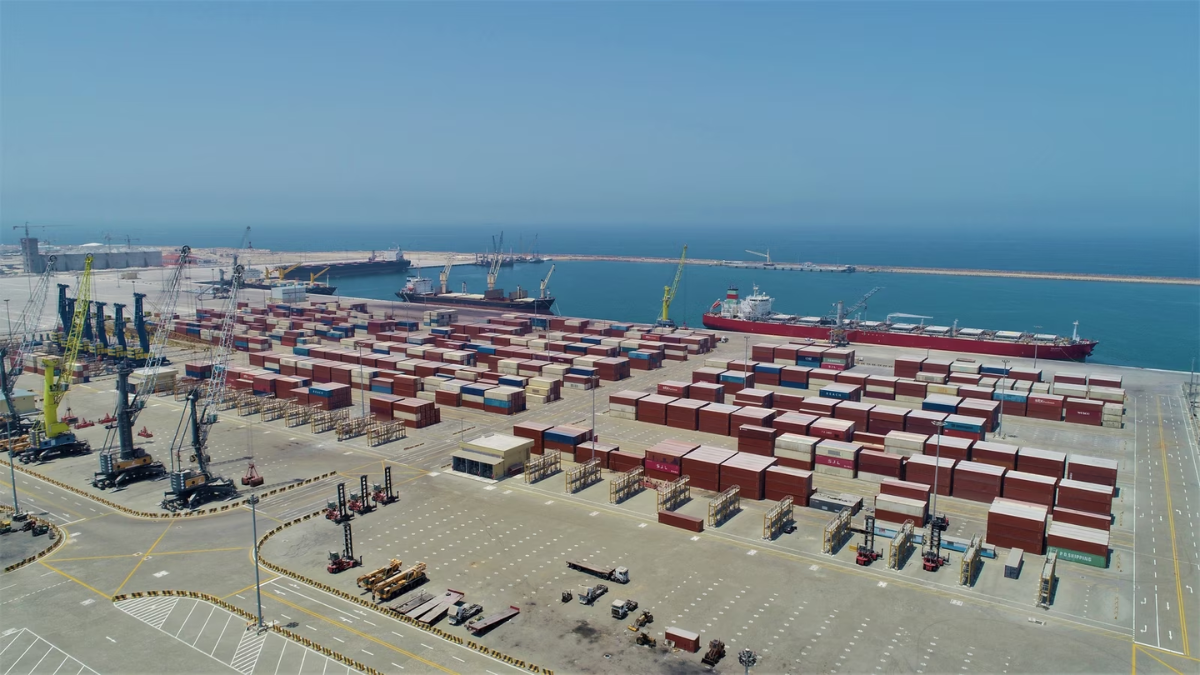
Malaysia emerged in 2025 as a notable waypoint in Iran’s evasion network. Satellite imagery and tanker-tracking data indicated that:
- Hundreds of ship-to-ship (STS) operations occurred near Malaysia’s Exclusive Economic Zone.
- Iran continues to supply arms to Yemen, opposes the disarmament of Hezbollah, and sustains its political and military networks in Iraq. These developments illustrate the persistence of Iran’s proxy-based regional influence strategy.
- The Foundation for Defense of Democracies (FDD) noted a rise in shipments labeled as “Malaysian origin,” coinciding with spikes in Iran’s export levels.
However, Malaysia’s government has denied any official involvement. In May 2024, the Prime Minister stated there was “no evidence of ship-to-ship transfers of Iranian oil in Malaysian waters.” Thus, Malaysia’s role is best understood as logistical facilitation rather than political collaboration—a function of regulatory and geographic gaps rather than intent.
Implications
Iran has effectively constructed a global sanctions-evasion network that blends state coordination with private intermediaries. From vessel routing and document falsification to insurance and payment schemes, its system operates across multiple legal and territorial jurisdictions. Malaysia’s experience demonstrates how certain maritime regions have become convenient “gray zones” where enforcement remains weakest and oversight most fragmented.
By 2025, Iran had developed one of the most sophisticated evasion frameworks in recent history. Malaysia functioned as a hidden stage within this network—a meeting point for Iranian tankers, a site for offshore oil transfers, and a node for relabeling shipments. Although there is no conclusive evidence of deliberate state-level complicity, this pattern reveals how global trade mechanisms and enforcement gaps can unintentionally sustain sanctioned actors. To maintain effectiveness, sanctions must therefore extend beyond the target country and address the gray-area maritime and financial zones that enable covert commerce.
Looking ahead to 2026, Malaysia and Iran are likely to preserve a cautious yet pragmatic relationship shaped by energy interests and geopolitical balancing. Should Iran continue to depend on Southeast Asian waters for covert oil transfers, Malaysia will face mounting international pressure to strengthen maritime oversight and enhance transparency within its shipping registries. A plausible scenario is that Kuala Lumpur adopts a dual-track strategy—publicly aligning with Western compliance norms while quietly tolerating limited gray-market trade to maintain economic flexibility and relations with China, a key importer of Iranian crude. This delicate balance could define Malaysia’s broader regional posture: striving to avoid being branded a sanctions violator while remaining an indispensable logistical hub in the evolving gray economy of global energy flows.