Bilateral Relations within the Framework of Iran–Russia Strategic Cooperation and Nuclear Cooperation
Introduction
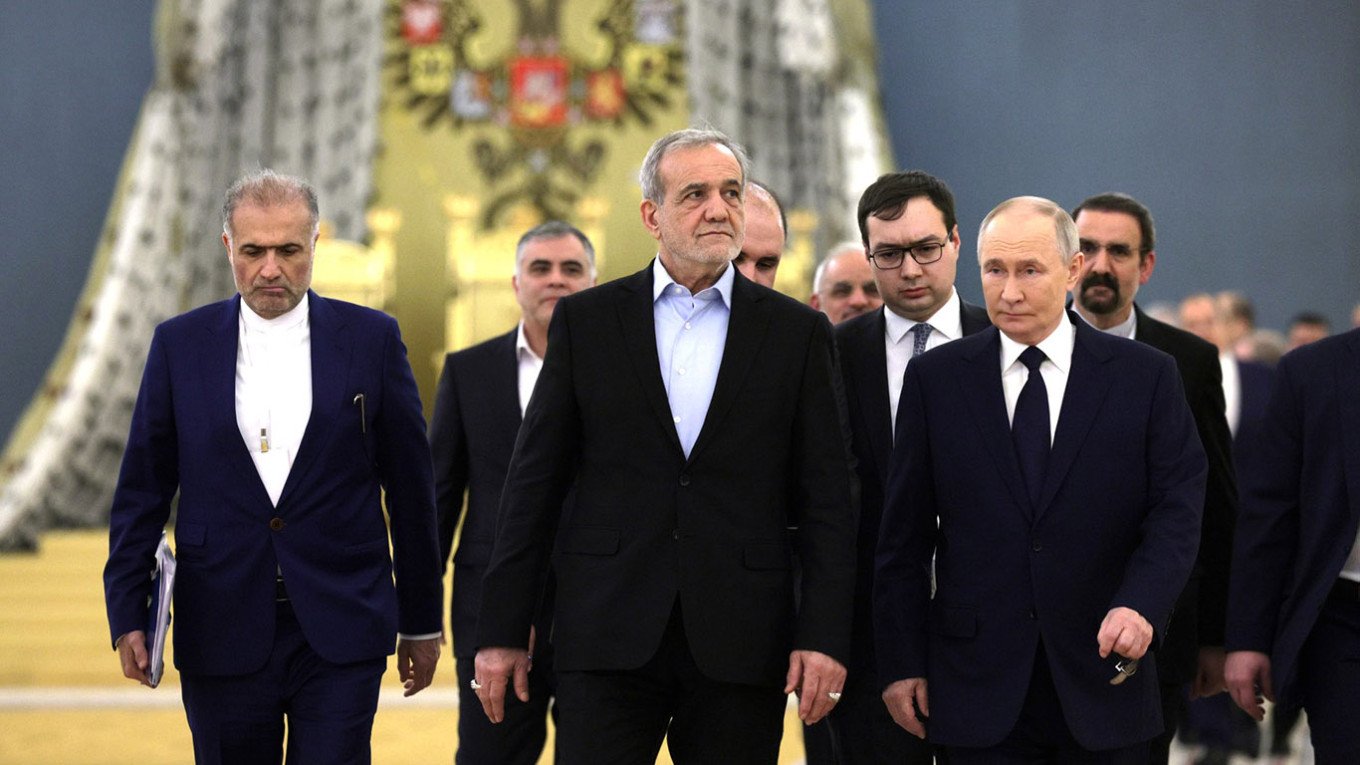
Military and strategic relations between Iran and Russia have deepened rapidly in the post-2022 period, particularly in response to the war in Ukraine and the increasing pressure of Western sanctions. The Comprehensive Strategic Partnership Agreement, signed on 17 January 2025, and outlining a 20-year vision, represents the most concrete effort to institutionalize this cooperation. However, the direct confrontation between Iran and Israel in June 2025 served as a practical test of the agreement’s effectiveness and revealed the limitations of its implementation in times of crisis.
Institutional Framework of the Agreement
- Defense Cooperation: The parties agreed to conduct joint military exercises, enhance military-technical collaboration, and share intelligence in the field of security.
- Mutual Non-Aggression: The agreement stipulates that neither party shall support an external aggressor in the event of an attack on the other. However, it does not include a binding mutual defense clause.
- Territorial Integrity and Sovereignty: Both parties pledged to respect each other’s territorial integrity—an especially significant provision given the ongoing island disputes in the Persian Gulf.
- Arms and Defense Industry Cooperation: The agreement outlines long-term goals for joint production, technology transfer, and cooperation in research and development (R&D).
- Cybersecurity and Intelligence Sharing: The parties also agreed to cooperate against cyber threats and enhance reciprocal intelligence sharing mechanisms.
The June 2025 Conflict and the Practice of the Agreement
The direct military confrontation between Iran and Israel in June 2025 served as a crucial test for the practical validity of the Comprehensive Strategic Partnership Agreement. The joint U.S.-Israeli military operations targeted several military and nuclear facilities inside Iran. This sequence of events raised a number of critical questions:
Did Russia provide Iran with direct military support?
No. Statements from the Kremlin characterized Iran’s actions as “escalatory” and refrained from offering any direct military assistance. Russia limited its response to diplomatic expressions of support without engaging in material or operational aid.
Had the agreement officially entered into force at the time?
No. The official date for the agreement to take effect was set as 2 October 2025. Therefore, from a legal standpoint, Russia was not obligated to act under the agreement during the June 2025 clashes. Nonetheless, the strategic partnership framework created an implicit political expectation of solidarity, which remained unfulfilled.
What was Iran’s reaction?
Within Iran, public discourse and political commentary criticized Russia for its lack of tangible support. Diplomatic engagements at the foreign ministry level failed to yield any meaningful assurances or commitments, deepening perceptions of asymmetry in the partnership.
On the other hand, A key legal limitation of the Iran–Russia partnership lies in the absence of a mutual defense obligation, which became evident during the June 2025 crisis. Without a binding clause for military support, the agreement remains largely symbolic in security terms, offering no actionable guarantees in times of conflict.
Furthermore, the partnership risks violating international sanctions, particularly through arms transfers that may breach UN Security Council resolutions or trigger penalties under U.S. frameworks such as CAATSA. These legal vulnerabilities constrain the depth and legitimacy of military and technical cooperation between the two states.
Iran–Russia Nuclear Cooperation
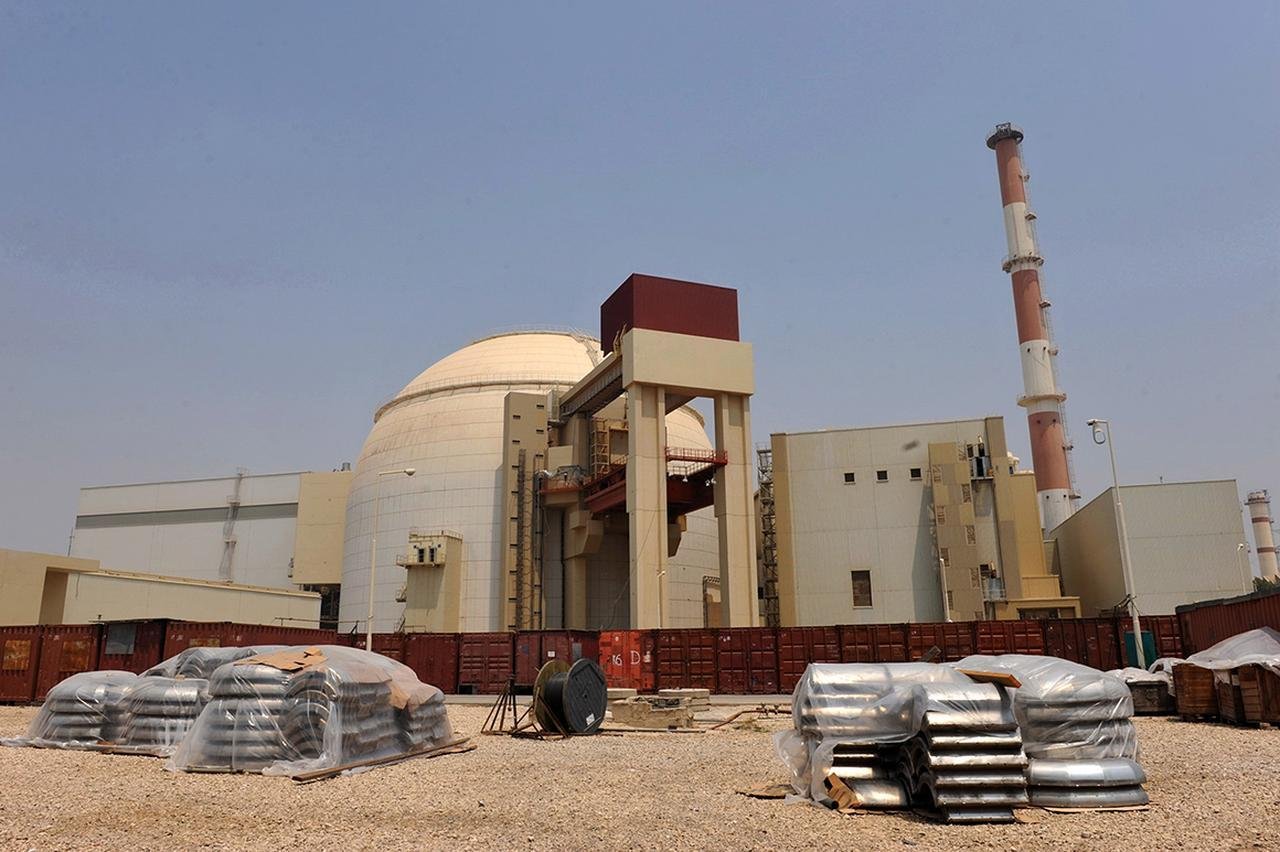
The nuclear cooperation between Iran and Russia is as geopolitically significant as their military relationship, albeit subject to greater international oversight. This collaboration began with the Bushehr Nuclear Power Plant project in the 1990s and has expanded considerably throughout the 2020s. In the aftermath of the June 2025 clashes, the cooperation gained heightened strategic importance, particularly as Western pressure on Iran increased.
Bushehr Project and Technical Collaboration
- Bushehr Unit 1 became operational in 2011 with Russian assistance and remains under the technical support of the Russian state nuclear corporation Rosatom.
- Bushehr Units 2 and 3 are currently under construction, and upon completion, are expected to add approximately 2,100 megawatts to Iran’s electricity generation capacity.
- As of 2025, the number of Russian engineers working on the project stood at around 250, with reports indicating that this number is projected to rise to 600 by the end of the year.
Nuclear Cooperation Framework within the Iran–Russia Strategic Agreement
Key references to peaceful nuclear cooperation in the 2025 Comprehensive Strategic Partnership Agreement include:
- Joint development of civilian nuclear energy projects within the framework of bilateral energy cooperation.
- Inclusion of peaceful nuclear energy as a formal area of strategic collaboration, as referenced in summaries of the agreement.
- Commitment to expanding technical cooperation in nuclear infrastructure through state-level coordination and technology transfer.
This strategic intent has been reinforced by concrete bilateral initiatives in the post-agreement period. In September 2025, Iran and Russia signed a memorandum of understanding for the construction of small modular reactors (SMRs) aimed at enhancing Iran’s civilian nuclear capacity. In the same month, a $25 billion agreement was finalized for the development of four additional nuclear power plants, marking a significant step in institutionalizing long-term nuclear cooperation. These developments reflect not only technical collaboration but also the alignment of geopolitical interests under the broader strategic partnership framework.
International Oversight and Dual-Use Risks
Although the cooperation is officially defined within the framework of “civilian nuclear energy,” Iran’s history of uranium enrichment and its withdrawal from the Joint Comprehensive Plan of Action (JCPOA) raise serious concerns about dual-use capabilities. Specifically, collaboration in the following areas carries high sensitivity in terms of potential military application:
- Nuclear fuel cycle management
- Spent fuel reprocessing
- Nuclear technology transfer
Geopolitical Implications and Strategic Signaling
Following the June 2025 escalation, Russia’s reaffirmed commitment to the Bushehr project demonstrated that the partnership extends beyond mere energy cooperation and carries clear geopolitical messaging.
Iran seeks to maintain energy security and strategic autonomy through deepening ties with Russia, effectively resisting Western containment efforts.
Thus, nuclear cooperation between Iran and Russia has evolved into a central pillar of their bilateral relations—not only in terms of energy but also in the strategic interdependence and technological alignment that it fosters.
Deepening Iran–Russia Nuclear Cooperation in the Post–June 2025 Period
Following the June 2025 clashes, Iran and Russia drew significantly closer in the realm of nuclear cooperation rather than military collaboration. The direct military confrontation between Iran and Israel during this period refocused international attention on Iran’s nuclear program. In response, Russia displayed a pronounced commitment to sustaining and expanding its nuclear partnership with Iran, both through technical support and diplomatic backing.
Notably, the construction of Bushehr Units 2 and 3 was accelerated, and the number of Rosatom personnel working in Iran rose to 480 by July 2025 (Rosatom Executive Report, 2025). During the same period, the International Atomic Energy Agency (IAEA) reported that Iran’s stockpile of 60% enriched uranium had reached 114 kg, a quantity nearing the threshold for potential military use.
Despite the IAEA’s warnings, Russia continued to assert that the Bushehr project was “entirely civilian in nature” and that its technology transfers to Iran remained within the framework of the Nuclear Non-Proliferation Treaty (NPT). Nevertheless, Iran’s post-June 2025 decision to restrict IAEA inspections rekindled concerns regarding the dual-use potential of the nuclear cooperation. This development underscored the fact that the partnership is not limited to energy production but functions increasingly as a geopolitical tool of resistance against Western-imposed nuclear constraints. Thus, the collaboration in this domain reflects more than technical alignment; it represents a strategic convergence between Iran and Russia and a shared commitment to a multipolar international order.
Conclusion
The year 2025 marks a turning point in the strategic configuration of Iran–Russia relations. While the Comprehensive Strategic Partnership Agreement, signed in January, provided an institutional framework for long-term bilateral cooperation, the events of June 2025 challenged the agreement’s real-world applicability. During Iran’s direct confrontation with Israel and the United States, Russia refrained from offering any military support beyond symbolic diplomatic backing. This revealed the limited operational value of the agreement’s defense-related provisions and reinforced the perception in Tehran that Moscow may not be a reliable partner during moments of military crisis. It also highlighted the extent to which Russia’s strategic priorities are detached from Iran’s regional security concerns.
Conversely, nuclear cooperation between the two countries deepened significantly in the post-June period. The acceleration of the Bushehr 2 and 3 projects, the increase in Rosatom’s personnel presence, and Russia’s continued political support for Iran’s nuclear activities in the face of Western criticism all indicate that the bilateral relationship is more active and robust in the nuclear energy and technology domain than in the military sphere. In this regard, the Iran–Russia partnership appears to be evolving not into a military alliance, but rather into a strategic alignment based on infrastructure development, energy security, and political solidarity.
Although Iran–Russia relations are framed rhetorically as a strategic partnership, the reality is asymmetrical, conditional, and largely confined to nuclear cooperation. In the event of a future regional conflict, Russia is unlikely to provide Iran with direct military assistance, due to both political calculations and practical limitations. This reality compels Iran to maintain a diversified and flexible foreign policy strategy, avoiding overreliance on any single partner—even one that claims to share its vision of a multipolar world.