Water and Migration Crisis Between Iran and Afghanistan
Introduction
Although recent years have witnessed periods of relative diplomatic calm between Iran and Afghanistan, recent developments—particularly regarding transboundary water sharing and migration policies—suggest that the potential for renewed bilateral crises remains significant.
The transboundary management of water resources—particularly concerning the Helmand (Hirmand) River—alongside the status of Afghan migrants in Iran, has increasingly emerged as a complex area of regional environmental, human rights, and diplomatic tension. Recent developments in July and August 2025 indicate a growing interconnection between water-sharing disputes and Iran’s evolving refugee and migration policies toward Afghans. This convergence has the potential to generate new lines of friction not only between states but also among local communities affected by resource scarcity and displacement.
Rising Tensions in Water Sharing and the Diversion of the Helmand River
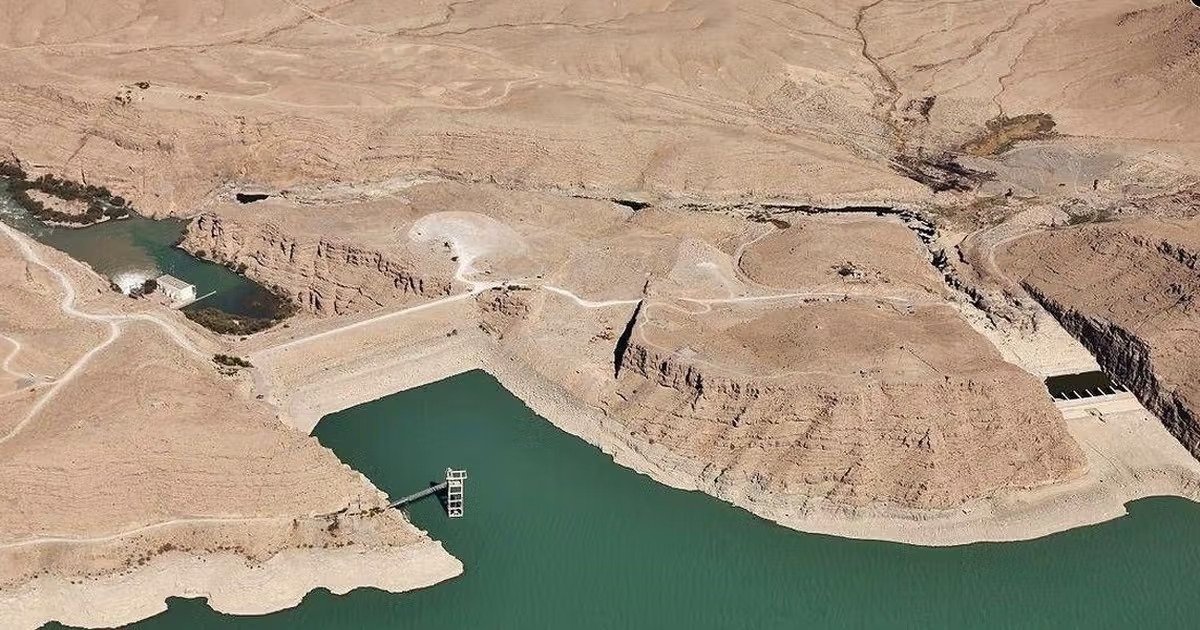
The 1973 Helmand River Treaty guarantees Iran approximately 820 million cubic meters of water annually during each river flow season. However, persistent deviations from the treaty's obligations have been observed in practice. In recent months, the reduction in the river’s flow from Afghanistan into Iran has not only been attributed to drought and dam construction projects, but also to deliberate deviations and alterations of the river’s natural course in its downstream sections.
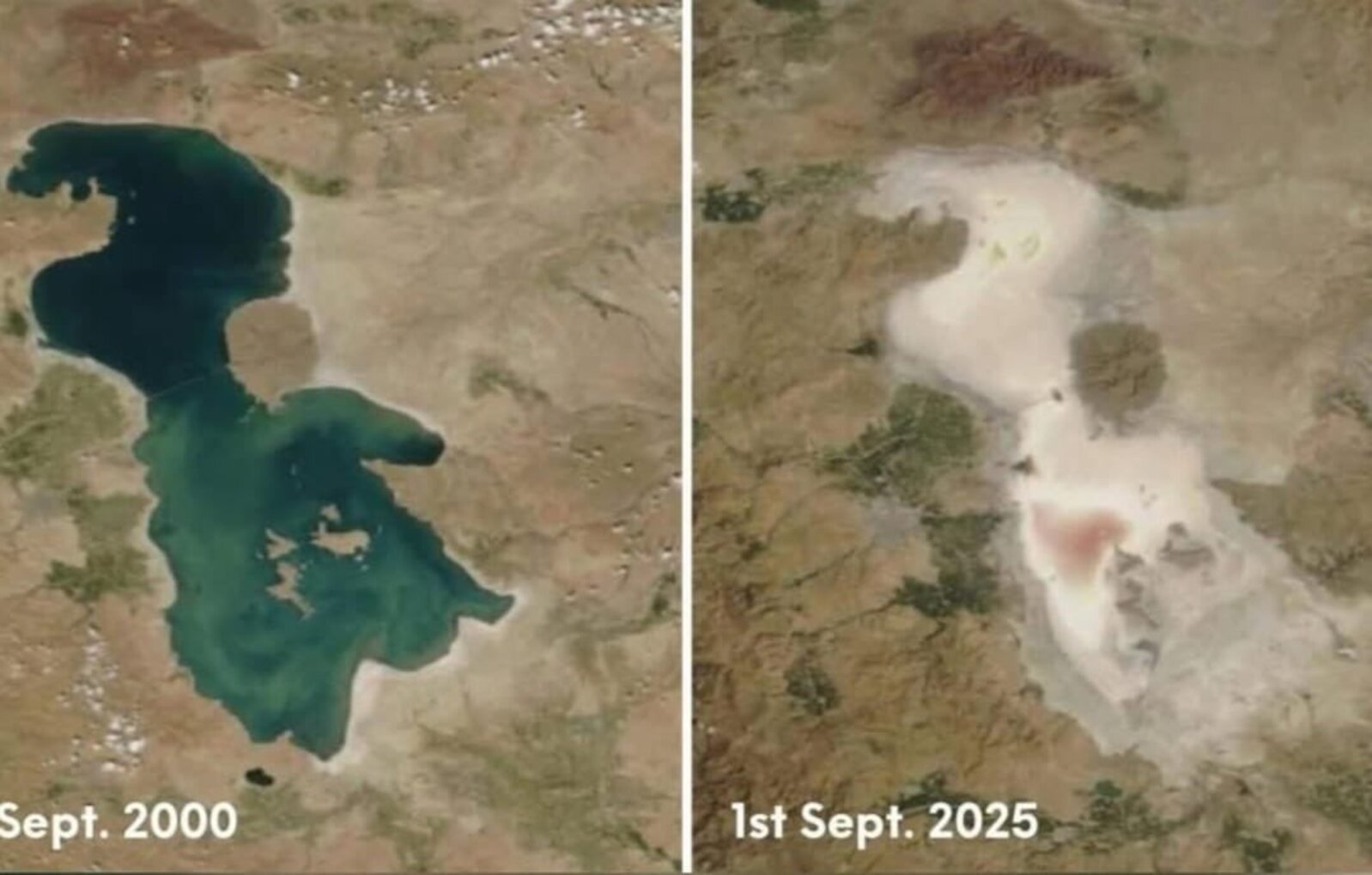
According to satellite imagery, the Taliban administration appears to be diverting water from the Helmand River—particularly downstream of the Kamal Khan Dam—toward the Godarzeh (also spelled Godzareh or Gowd Zerrah) salt flats within Afghanistan, rather than allowing it to continue toward Iranian territory. This redirection has significantly exacerbated drought conditions in Iran’s Sistan and Baluchestan Province, contributing to severe ecological degradation around the Hamoun wetlands and a notable decline in agricultural productivity.
In addition, Iran has experienced extreme heat and drought throughout the summer, with temperatures in some areas surpassing 50°C in July. Reservoir levels in major dams have fallen to critical thresholds, leading to widespread water and electricity outages. Iranian officials have publicly stated that they are seeking dialogue with neighboring countries—particularly Afghanistan—regarding water imports and shared water resource management.
Migration Policies and Repatriation in July–August
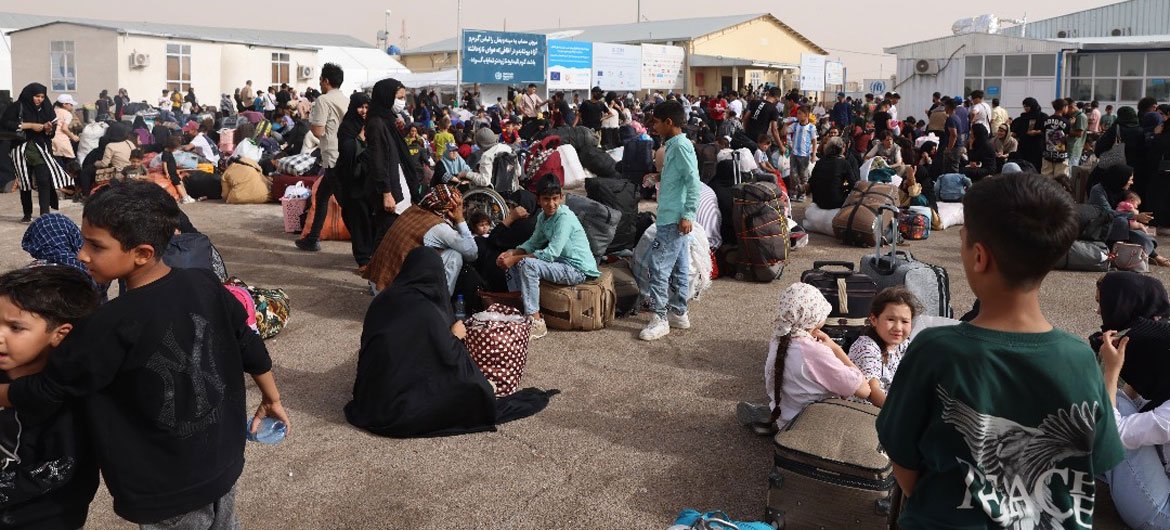
Iran's policies on Afghan migration and deportation have intensified, particularly in the aftermath of the 12-day Iran–Israel conflict and the heightened emphasis on national security. In this context, the Iranian government has increasingly portrayed undocumented Afghans as potential security threats, citing allegations such as espionage and ties to Israel, in an apparent effort to justify mass deportations.
Between July and August 2025, Iran implemented a set of stricter measures targeting undocumented Afghan migrants. A directive issued on July 6 urged undocumented individuals to leave the country voluntarily, warning of possible arrest or legal action if they failed to comply. This announcement triggered a significant wave of outward migration; according to UNHCR data, approximately 449,000 Afghans left Iran between June and July.
Concurrently, the Iranian government announced the introduction of a “residency fine” policy for undocumented migrants who remain in the country. This punitive measure has created serious legal and practical risks for many individuals lacking formal status. Even documented migrants have encountered significant administrative and financial challenges in adapting to new identification regulations such as the “Smart ID Cards.” Consequently, many have been excluded from essential public services, including healthcare, education, and employment.
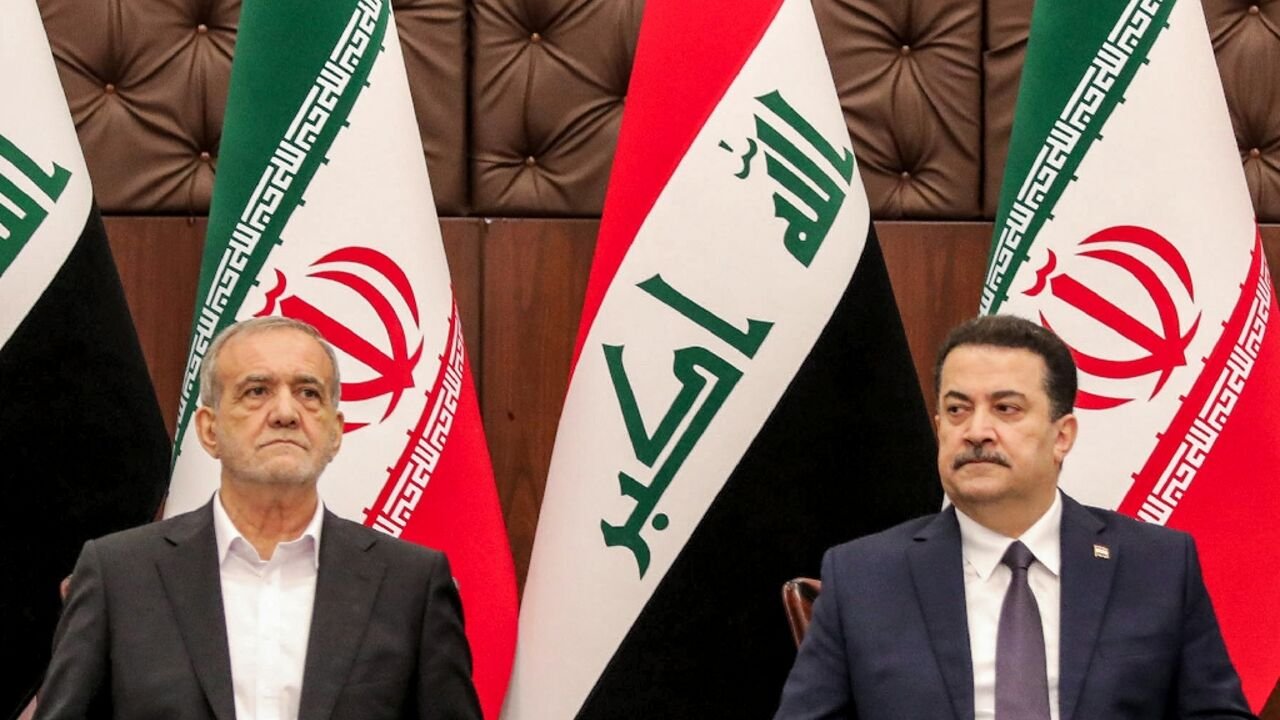
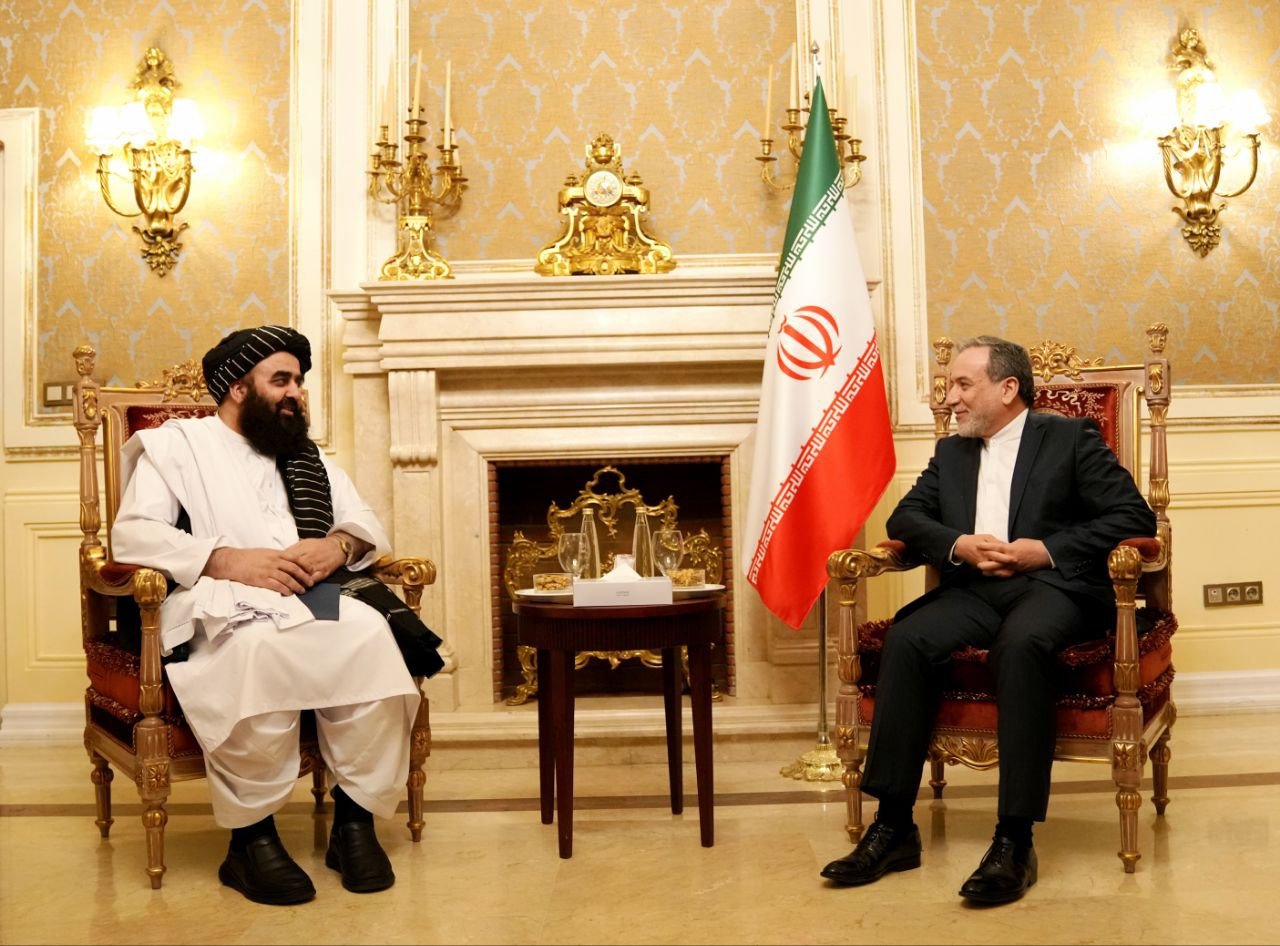
Nonetheless, recent diplomatic engagements between Iran and Afghanistan have emphasized the need for return processes to be “dignified,” “voluntary,” and “coordinated.” A high-level meeting between Iranian and Afghan officials on July 28 concluded with a commitment to improve cooperation on border management and consular procedures.
From a social perspective, the deepening economic difficulties may lead to heightened protests and growing social unrest. Pressures on young and low-income populations are likely to intensify, contributing to rising political and social tensions. The Iranian government may struggle to maintain control under such circumstances, placing national stability at risk. Such a scenario would escalate uncertainties both regionally and internationally, further isolating Iran diplomatically and economically.
Future Assessment
The recent dynamics concerning water sharing and migration between Iran and Afghanistan have underscored the deep interlinkage between transboundary natural resource management and human mobility. The diversion of the Helmand River’s flow during July–August 2025 has exacerbated environmental degradation, drought, and infrastructure stress in Iran’s eastern regions, casting doubt on the continued viability of the 1973 Helmand River Treaty. Meanwhile, the Iranian government’s increasingly stringent policies toward Afghan migrants—especially following the conflict with Israel—have led to the rapid displacement of hundreds of thousands of individuals, contributing to a growing humanitarian crisis in the border areas. These developments have not only intensified bilateral tensions but have also created a new geopolitical landscape in which issues of water and migration must be addressed in an integrated and strategic manner.
Iran’s heightened deportation measures and harsh migration stance in the July–August 2025 period have provoked a significant reaction from Afghanistan. The Taliban administration’s move to alter the natural flow of the Helmand River and restrict water from reaching Iran can be interpreted as a strategic counter-response. In this context, the water-sharing issue is likely to re-emerge as a central point of contention between the two countries in the coming period. Iran’s hardline approach to Afghan migrants has arguably emboldened Afghanistan to pursue a more assertive and interest-driven water policy. The issue of water, therefore, is no longer merely a technical concern but has evolved into a political instrument through which Afghanistan may seek to leverage its position in future negotiations.