The Snapback Mechanism and Iran’s Nuclear Program: Legal Framework and Diplomatic Tensions
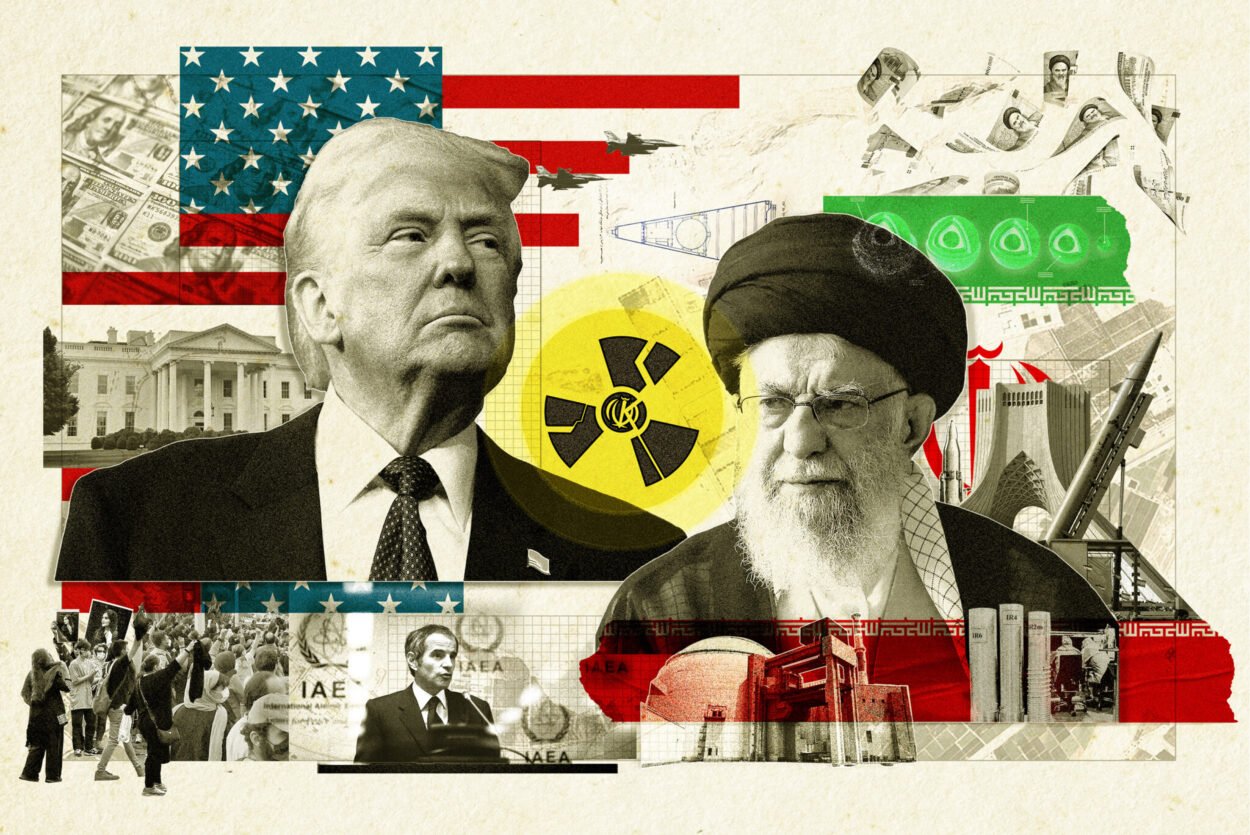
The Joint Comprehensive Plan of Action (JCPOA), signed in 2015, was enacted as a multilateral agreement envisaging the lifting of international economic sanctions in exchange for Iran’s limitation of its nuclear activities. However, the unilateral withdrawal of the United States from the agreement in 2018, followed by Iran’s engagement in nuclear activities violating its commitments, precipitated a new diplomatic impasse between the European trio (E3) — France, Germany, and the United Kingdom — and Iran. Central to this impasse is the "snapback mechanism," regulated under United Nations Security Council Resolution 2231, which stipulates the automatic reinstatement of all sanctions if any party reports Iran’s breaches of the agreement.
The snapback mechanism is initiated when any party reports to the UN Security Council that Iran has committed a significant breach of its obligations. Following such a notification, a 30-day period commences, during which no decision can be made to exempt new sanctions; if no exemption is granted, all previously lifted UN sanctions are automatically reinstated. Since no veto mechanism is applicable during this process, it is legally impossible for countries allied with Iran, such as Russia and China, to obstruct the procedure. This provision aims to ensure that the mechanism can be activated swiftly and effectively.
Rationale of the E3 and Iran’s Response
The E3 countries regard Iran’s uranium enrichment exceeding the 3.67% limit set by the JCPOA, reaching up to 60% purity, suspension of cooperation with the International Atomic Energy Agency (IAEA), and the disabling of inspection mechanisms as clear violations of the agreement. Accordingly, the E3 presented three principal demands to Iran in exchange for deferring the snapback threat:
- 1. Resumption of nuclear negotiations with the United States, Ambassador to the IAEA Laura Holgate acknowledged this reduction but correctly noted it did not eliminate the risk 102 .
- 2. Full access of IAEA inspectors to nuclear facilities,
- 3. Accountability regarding over 400 kilograms of highly enriched uranium.
However, during negotiations held in Istanbul and Geneva, Iran refrained from providing binding and detailed responses to these demands, arguing that the proposals lacked "concreteness and seriousness."
Conversely, Iran contends that the E3 has no legitimate right to activate the snapback mechanism. This objection is fundamentally based on the failure of the European countries to deliver the promised economic benefits to Iran following the U.S. withdrawal from the JCPOA in 2018. Iran asserts that if other parties have not fulfilled their obligations, it should not be bound to uphold its commitments. This interpretation has sparked significant debates within international law, particularly concerning the principle of pacta sunt servanda — the binding nature of treaties and reciprocity.
In response, the E3 emphasizes that despite the U.S. unilateral withdrawal in 2018, they have exerted intensive diplomatic efforts to preserve the JCPOA and have fulfilled their obligations to alleviate sanctions through mechanisms such as INSTEX, which facilitates legitimate trade with Iran.
In the current context, Iran’s threat to withdraw from the Nuclear Non-Proliferation Treaty (NPT) if snapback is applied elevates the issue from a regional security concern to a crisis with implications for global stability.
Time Constraints and Legal Nature of the Mechanism
The legal validity of the snapback mechanism is defined by UN Security Council Resolution 2231 and expires on 18 October 2025, after which will be difficult to activate it. The mechanism’s purpose is to ensure the automatic reinstatement of previously lifted sanctions upon notification of a serious Iranian breach, precluding veto intervention. However, this authority is explicitly time-limited, rendering any administrative obstacles to its invocation beyond November 2025 plausible.
For the E3, the UN Security Council meetings in September and October are of paramount importance. European states believe the process must commence by mid-October to avoid procedural hurdles, as any submission in November would likely be invalid due to the expiration of the resolution’s timeframe. After the termination of the current mechanism, reinstating sanctions on Iran would require a new diplomatic negotiation process.
The Return of the IAEA to Iran: Diplomatic Hope or Stalling Tactic?
The decision to redeploy International Atomic Energy Agency (IAEA) inspectors to Iran, taken in late August 2025, signals a limited normalization in relations between Tehran and international nuclear monitoring mechanisms. According to IAEA Director General Rafael Grossi, the first group of inspectors has arrived in Iran, and technical-level discussions aimed at resuming inspections are ongoing. However, this development reflects a provisional arrangement focused solely on procedural "modalities," rather than a comprehensive reintegration based on full cooperation.
While the E3 regard this as a goodwill gesture by Iran to prevent the activation of the snapback mechanism, Grossi’s statements reveal that cooperation remains confined to modality discussions, with actual inspection processes yet to commence.
Thus, the question arises whether Iran’s partial re-engagement with the IAEA is a genuine cooperative effort or a deliberate strategy to buy time. The E3 have stipulated full and transparent cooperation with the IAEA as a precondition for withdrawing the snapback threat. To date, the measures taken do not satisfy this condition, leading to the interpretation of Iran’s approach as time-wasting.
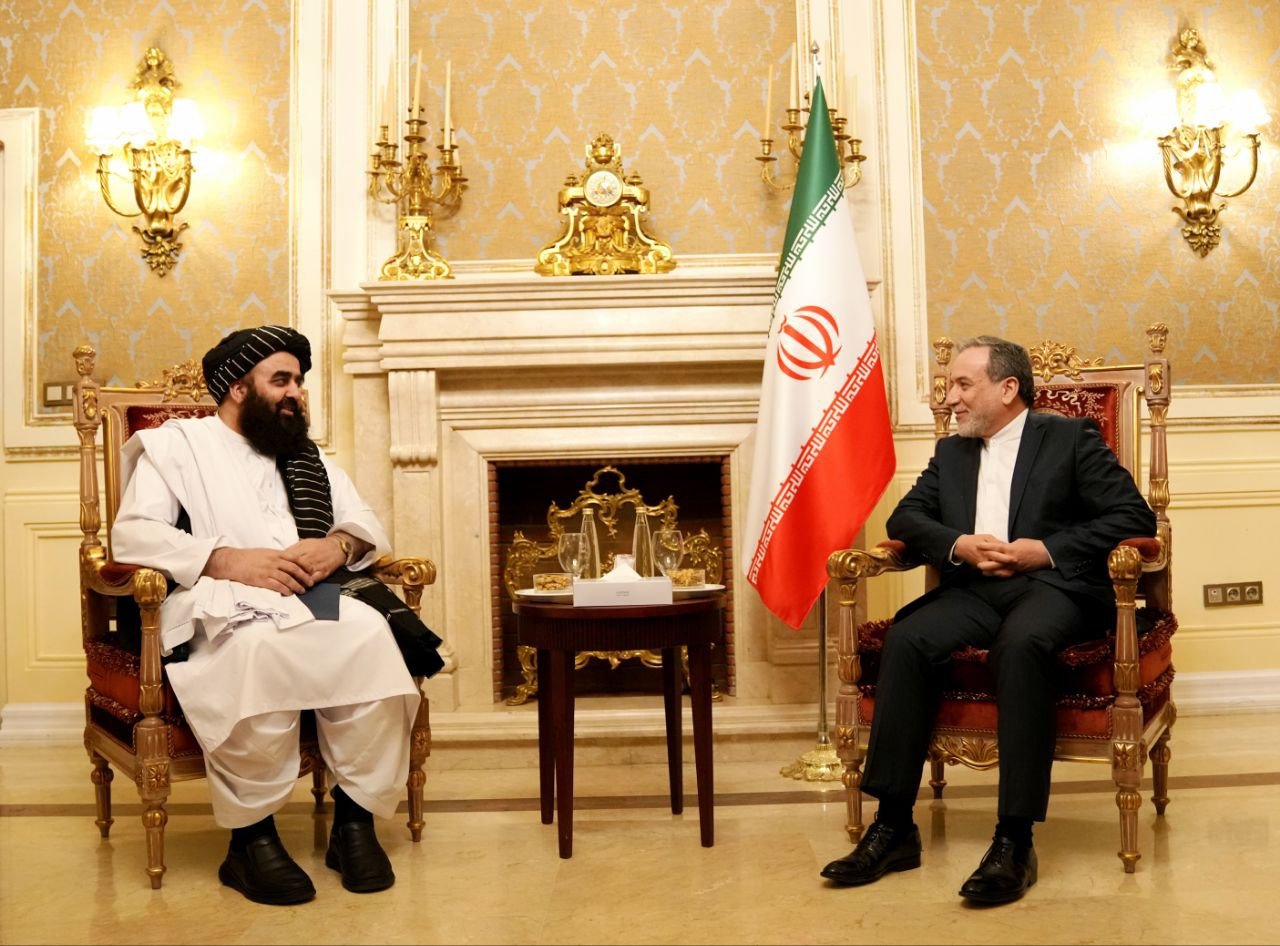
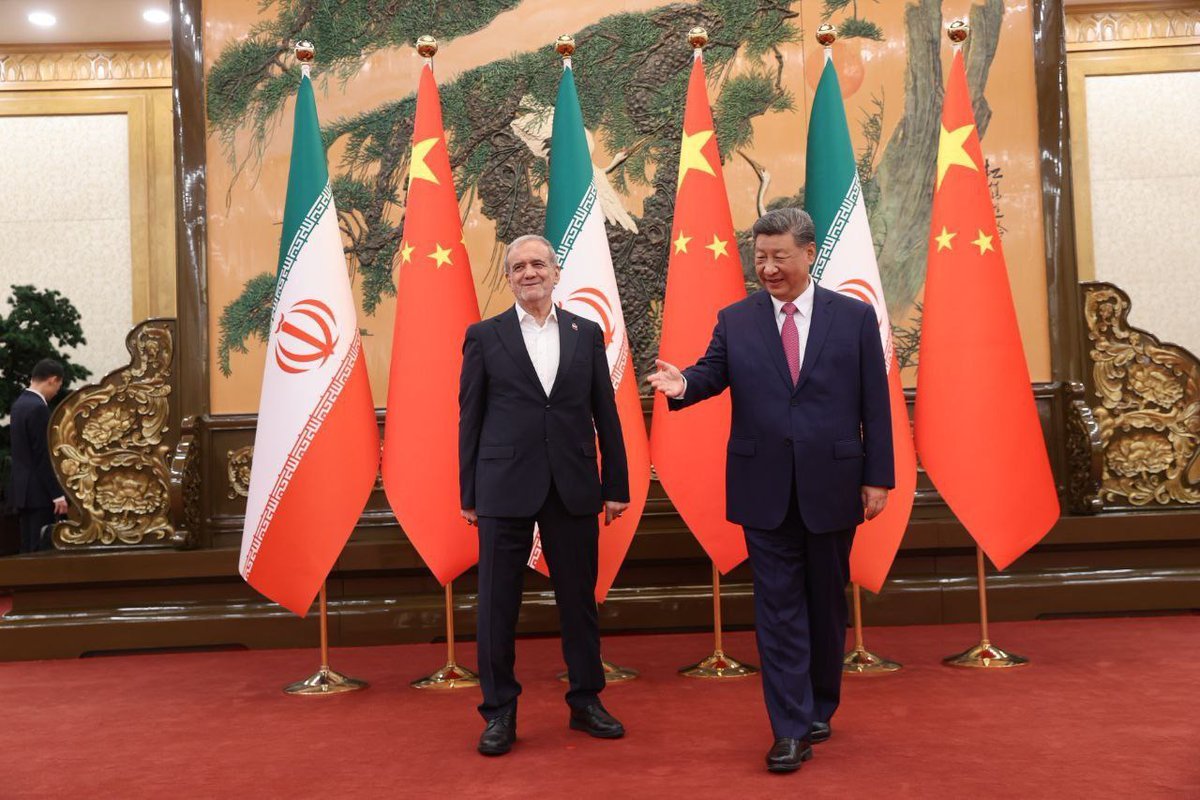
Notably, Iranian Deputy Foreign Minister Abbas Araghchi’s meeting with Russian Foreign Minister Sergey Lavrov during the Shanghai Cooperation Organization Foreign Ministers’ Council in July 2025, alongside Ali Larijani’s concurrent visit to President Putin as a special envoy to communicate Iran’s views on regional developments, international issues, and bilateral relations, underscore the geopolitical dynamics at play.