General Assessment Following the Twelve-Day War
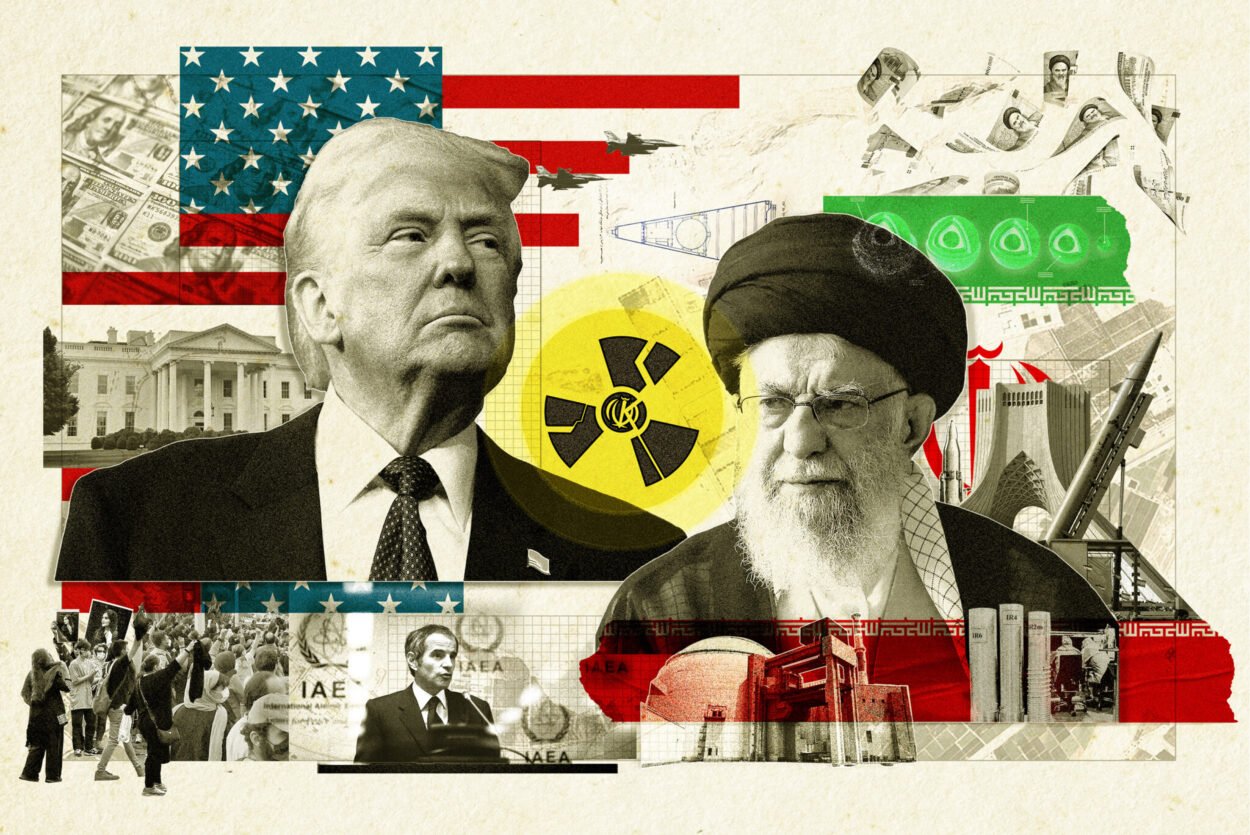
Israel's decision to strike Iran stems from its security concerns about Iran’s nuclear ambitions and regional influence. A nuclear-armed Iran is seen as an existential threat, given both its direct threats to Israel and its support for hostile proxy groups such as Hezbollah and Hamas. Additionally, Iran’s missile capabilities heighten Israel’s security fears. Therefore, Israel’s military actions are aimed at preventing Iran from acquiring nuclear weapons and limiting its growing influence in the region.While the possibility of a second Israeli attack on Iran remains on the table, Iran’s regional posture and its relations with Israel continue to occupy a central position in international relations.
This analytical assessment compares the pre-war period with the current situation, examining Iran’s diplomatic engagement, nuclear program, international monitoring mechanisms, and regional influence. The findings indicate that Iran’s strategic position in the region has, to a large extent, reverted to its pre-war state.
1. Negotiation Process
- Pre-War Period: In the period preceding the conflict, five direct and in-person meetings were held between Iran and the United States in Oman and Rome. These talks constituted an important diplomatic platform aimed at reaching an understanding on Iran’s nuclear issues and reducing bilateral tensions.
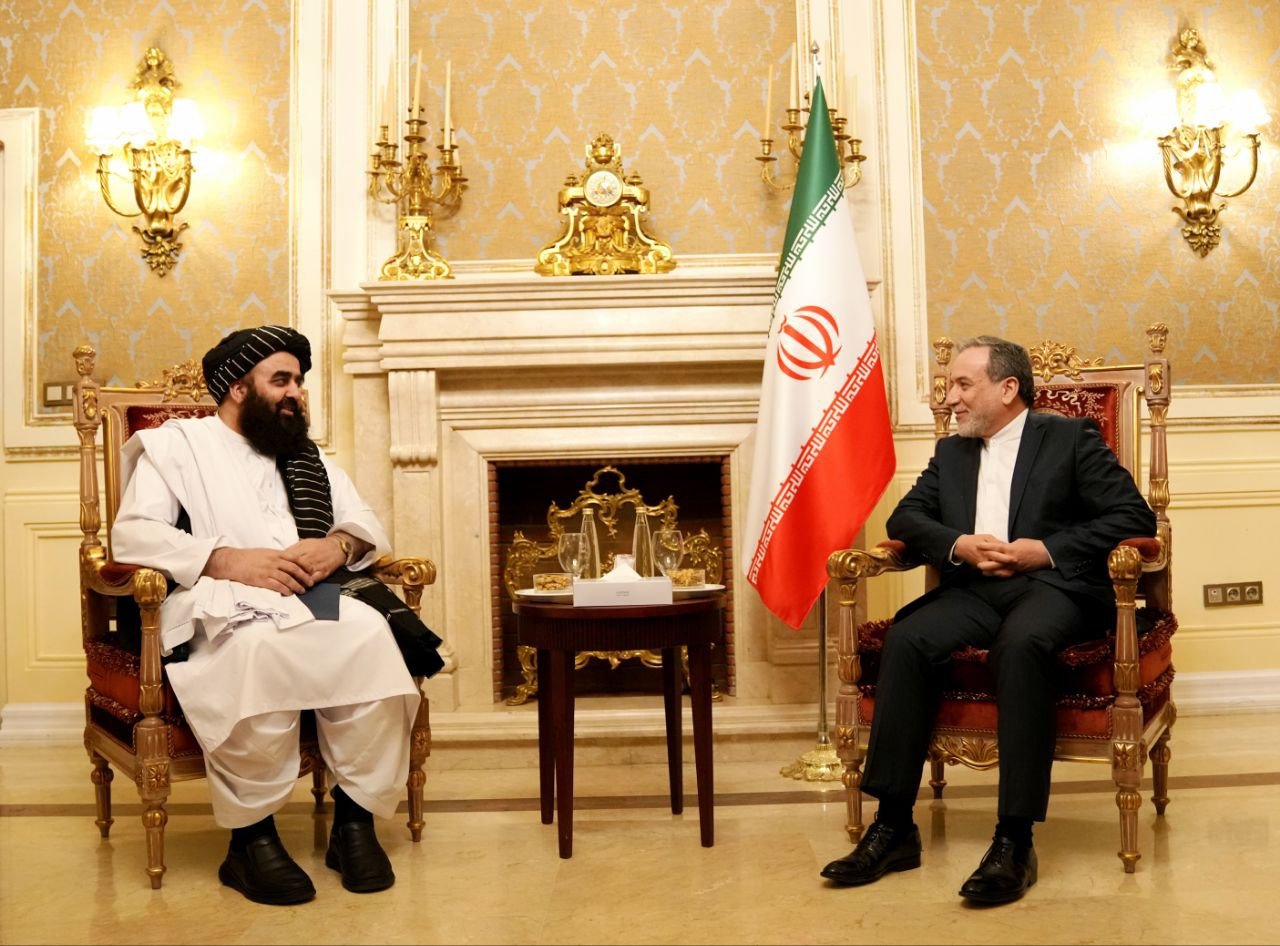
- Current Situation: The activation of the snapback mechanism has led Iran to reject negotiations with European countries. Moreover, Iranian officials have explicitly stated that the proposals made by Western powers (mainly the US) violate the principle of equality and that Iran will not engage in talks under such conditions.
2. Iran’s Nuclear Activities
- Pre-War Period: According to data released by the International Atomic Energy Agency (IAEA) in the spring of 2025, Iran’s stockpile of uranium enriched up to 60 percent had reached approximately 400 kilograms.
- Current Situation: In his statement in October 2025, IAEA Director General Rafael Grossi noted that despite severe damage sustained by Iran’s nuclear facilities, the country has maintained its uranium enrichment capabilities. According to Grossi, Iran has not lost its potential to develop nuclear weapons.
3. IAEA Inspections
- Pre-War Period: Prior to the war, IAEA inspectors were granted access to Iran’s nuclear facilities and were authorized to conduct on-site inspections.
- Current Situation: At present, Iran has prohibited IAEA inspectors from entering the country. Grossi confirmed in October 2025 that there are no IAEA inspectors currently operating in Iran. This situation effectively indicates the suspension of the international monitoring mechanism over Iran’s nuclear infrastructure.
4. Anti-Israel Activities in the Region
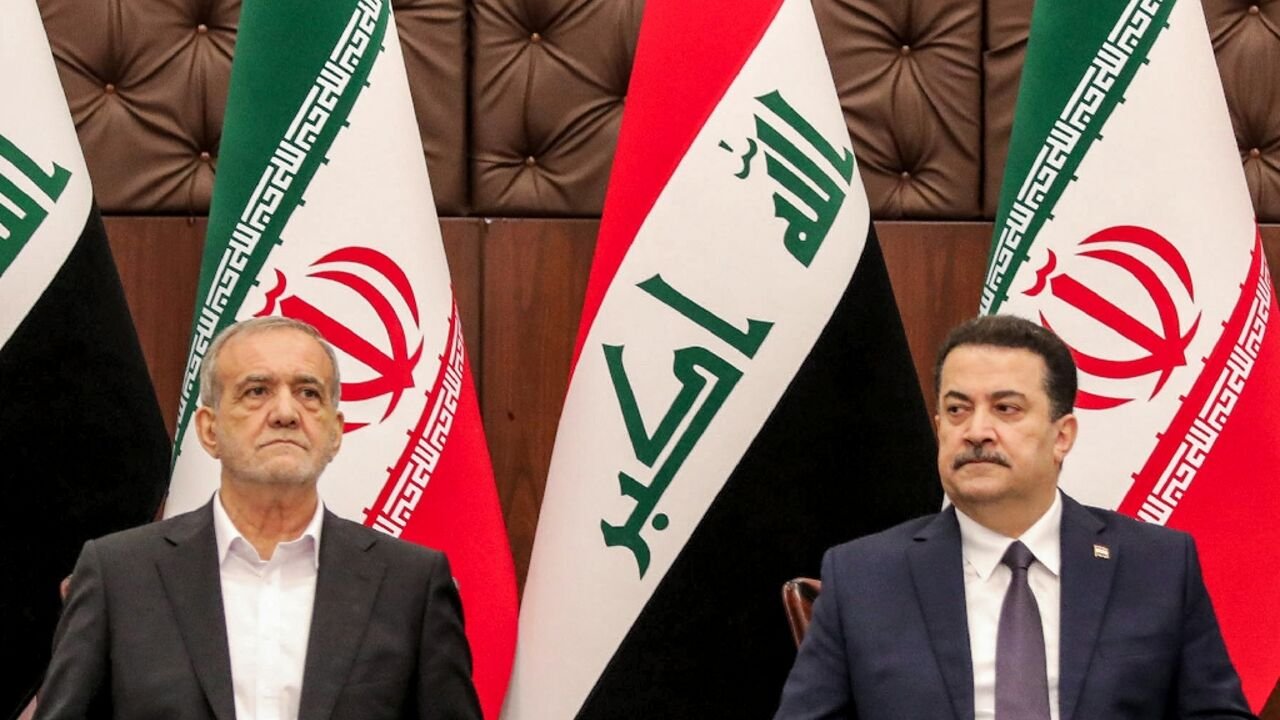
- Pre-War Period: Prior to the conflict, Houthi forces in Yemen continued their attacks against Israel, the Popular Mobilization Forces (Hashd al-Shaabi) maintained their presence in Iraq, and Hezbollah in Lebanon showed no willingness to disarm.
- Current Situation: Iran continues to supply arms to Yemen, opposes the disarmament of Hezbollah, and sustains its political and military networks in Iraq. These developments illustrate the persistence of Iran’s proxy-based regional influence strategy.
5. Iran’s Missile Capability
- Pre-War Period: As of June 2025, it was reported that Iran possessed the largest stockpile of ballistic missiles in the Middle East, including missiles capable of striking Israeli targets.
- Current Situation: Despite Israel’s airstrikes in June targeting missile production facilities, reports indicate that Iran has begun rebuilding this critical infrastructure. Additionally, in early October 2025, the Iranian Ministry of Defense (DMO) made statements regarding efforts to extend the range of Iran’s missiles. Analysis suggests that Tehran is actively working to restore and enhance its missile production capabilities.
Conclusion
In the aftermath of the 12-Day War between Israel and Iran, little substantive change has been observed in the contentious issues between the two states. Negotiations between Iran and the United States or European countries have effectively ceased; international oversight of Iran’s nuclear facilities has been terminated; Iran’s uranium stockpile has reached levels considered sufficient for nuclear weapons development; and Iran-backed proxy groups in the region continue to pose an existential threat to Israel.