To What Extent Can Iran Rely on Its Strategic Partnership with China?
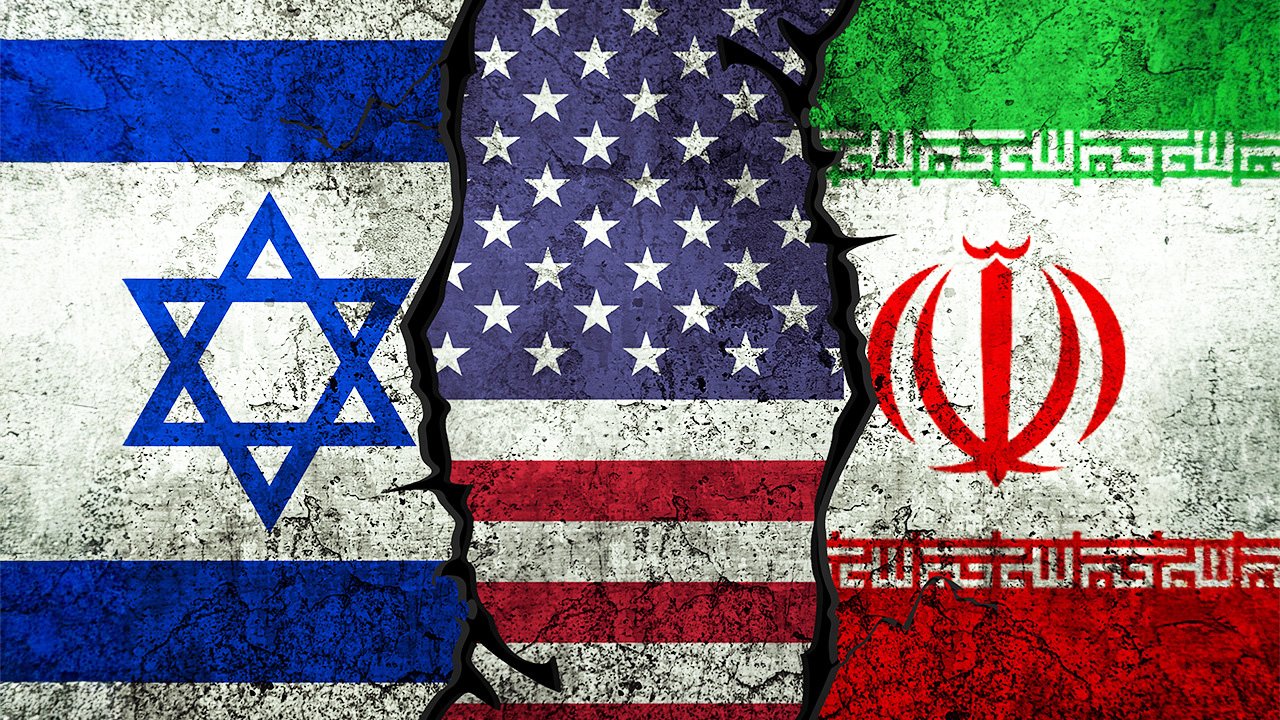
The 25-year “Comprehensive Strategic Partnership” agreement signed in 2021 appears, at first glance, to signal a deep, trust-based, and long-term alliance between China and Iran. However, China's cautious stance during times of crisis, along with its robust economic engagements with regional actors such as Saudi Arabia and the United Arab Emirates (UAE), suggests that this partnership is less a manifestation of a strategic alliance and more a reflection of a carefully calculated, interest-driven approach. Indeed, in the aftermath of the latest military strike on Iran by Israel and the United States in June 2025, China’s restrained response—limited to diplomatic statements—has once again highlighted that Beijing’s approach toward Tehran is rooted not in ideological alignment, but in pragmatic balance-seeking.
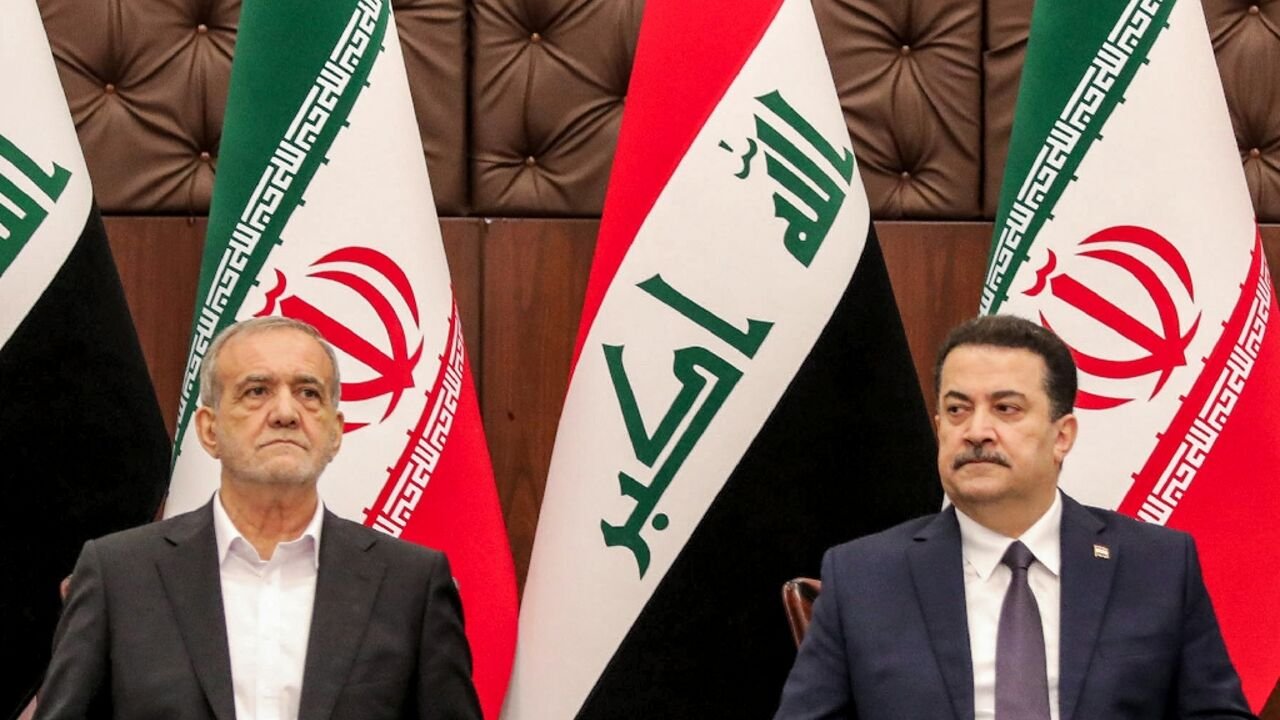
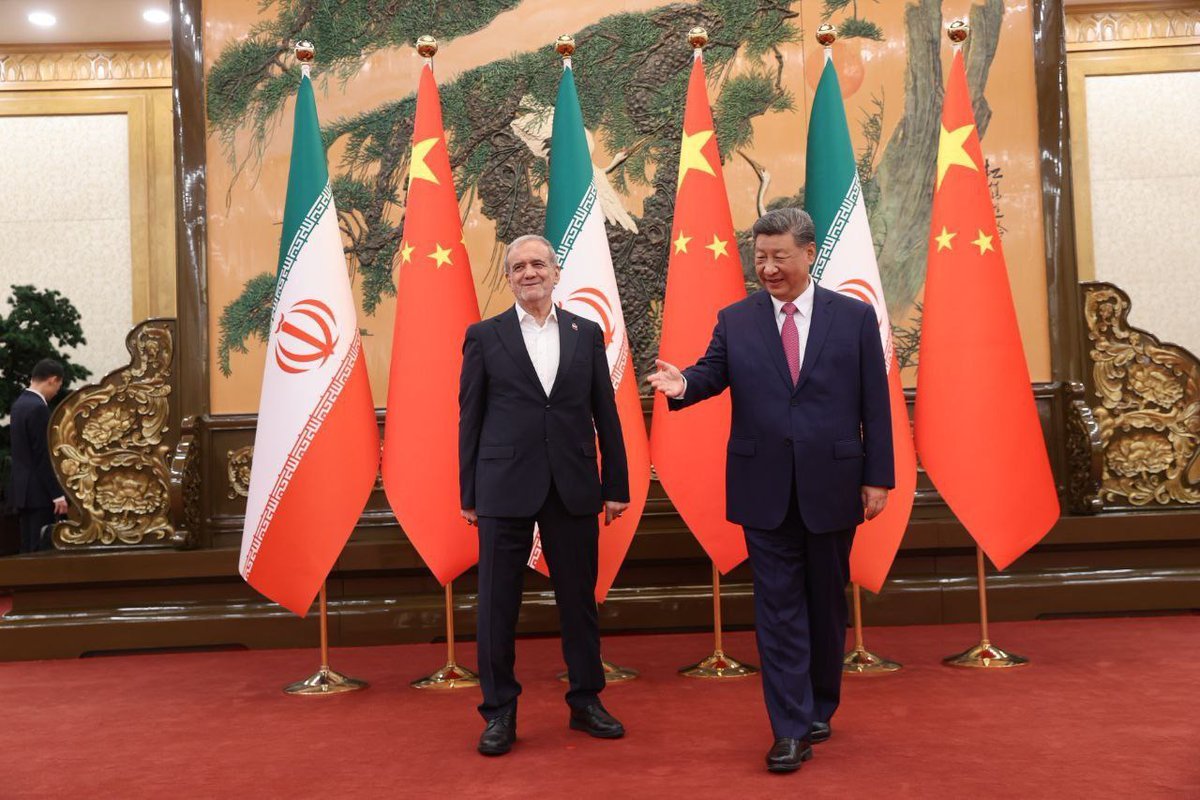
In September 2025, Iranian President Masoud Pezeshkian’s visit to China under the auspices of the Shanghai Cooperation Organization included a meeting with the Chinese head of state, during which they reaffirmed the 2021 Comprehensive Strategic Partnership agreement. Nonetheless, China has signed similar “strategic partnership” agreements with numerous countries, suggesting that such accords often serve more as diplomatic tools than indicators of exclusive or deep alliances. This raises questions about the true depth and sincerity of the partnership between Tehran and Beijing.
I. Economic Balances: Trade Volume and Regional Equilibrium
- a. The Current State of China–Iran Trade Relations
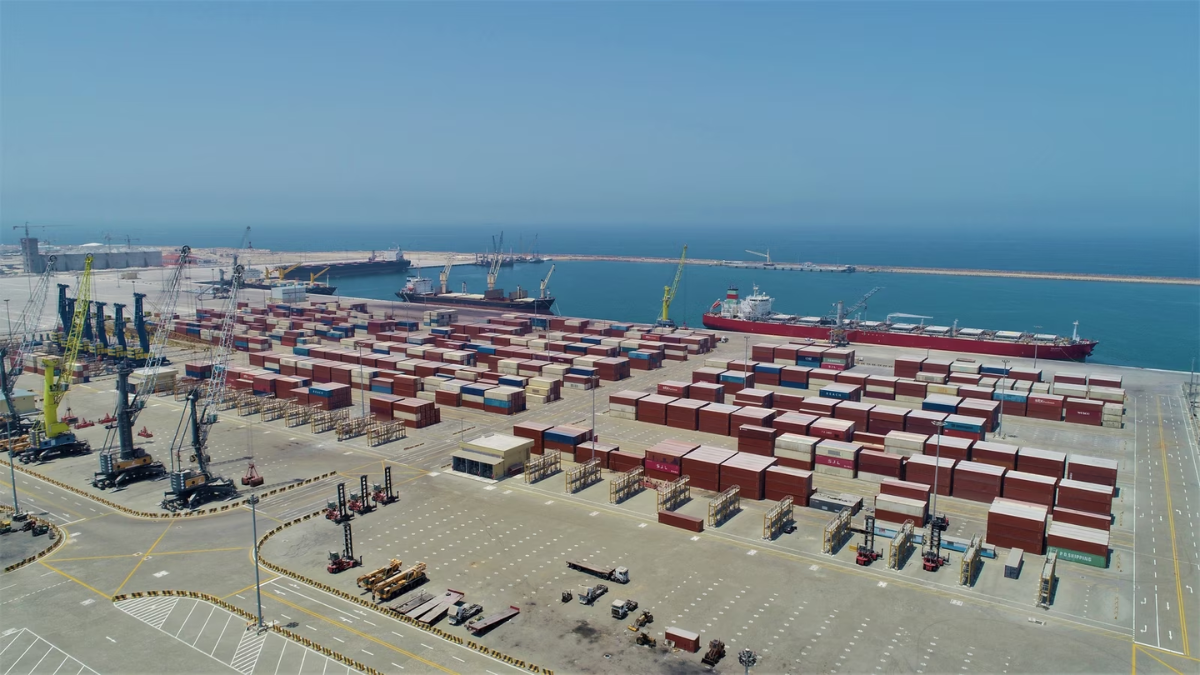
- The trade volume between China and Iran remains considerable, reaching approximately USD 14.65 billion in 2023. In the first quarter of 2024 alone, bilateral trade amounted to USD 4.2 billion. According to official Iranian data, during the Iranian calendar year 1403 (March 20, 2024 – March 20, 2025), the non-oil trade volume between the two countries reached USD 34.1 billion. In this period, Iran exported goods worth USD 14.8 billion to China and imported USD 19.3 billion worth of goods from China.
- b. Comparative Position with Saudi Arabia and the UAE
- During the 2023–2024 period, the trade volume between China and Saudi Arabia stood at approximately USD 107 billion. Additionally, China pledged USD 50 billion in investments in Saudi Arabia.
- In the same period, China–UAE trade reached approximately USD 102 billion.
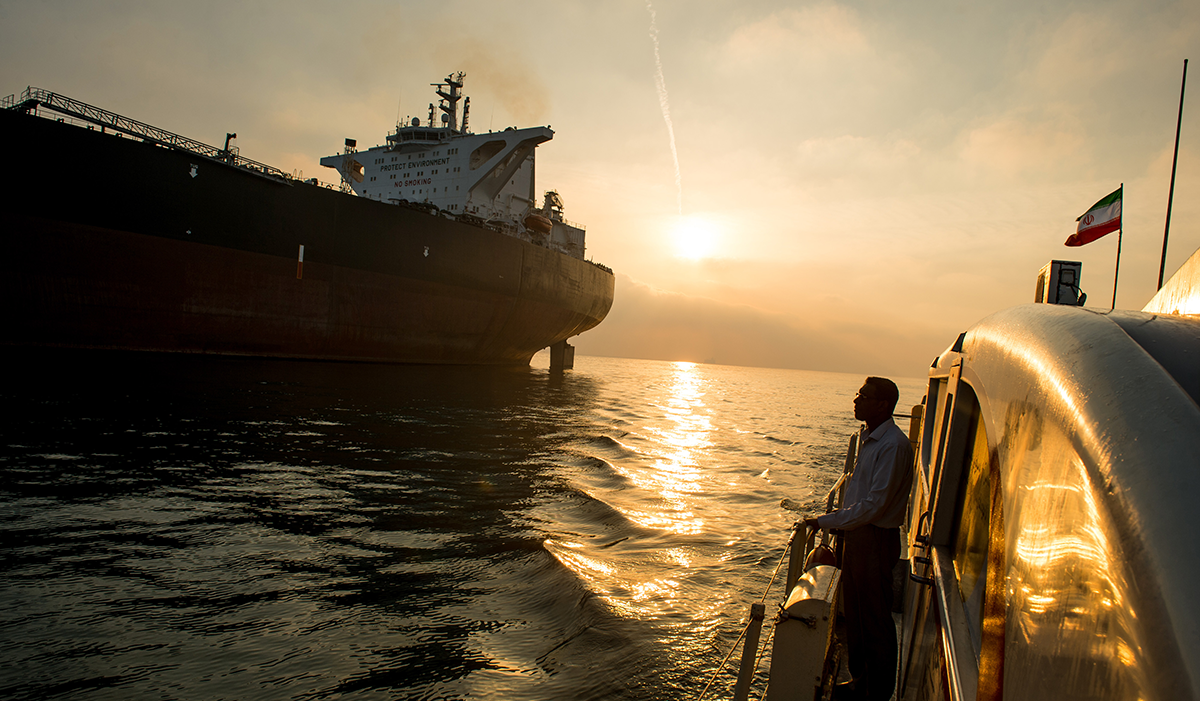
In the context of energy security, China has maintained a comparatively limited level of oil imports from Iran relative to its imports from the Gulf’s leading producers, Saudi Arabia and the UAE. In 2023, China imported approximately 1.5 million barrels per day (bpd) from Saudi Arabia and 1.1 million bpd from the UAE, while oil imports from Iran were estimated at around 300,000–400,000 bpd due to sanctions and international pressures. This disparity clearly illustrates China's strategy of diversifying its energy sources while prioritizing regional stability.
In this vein, China’s robust economic ties with the Gulf Cooperation Council (GCC) states serve as a counterbalance in shaping its approach to Iran. The asymmetry in trade and energy relations with Iran, compared to its deeper economic engagements with Saudi Arabia and the UAE, underscores that Beijing’s partnership with Tehran is conducted within a framework of strategic caution, driven by practical considerations and risk management rather than unconditional alignment.
II. China’s Principle of Neutrality: A Policy of Non-Intervention in Conflicts
China’s restrained posture is, in fact, rooted in its long-standing foreign policy principles of “neutrality” and “non-intervention.” Particularly in unstable, multi-actor conflict zones such as the Middle East, Chinese foreign policy has consistently avoided direct involvement, instead opting to exert influence through economic engagement and diplomatic rhetoric. For example, during the 2019 tanker crisis in the Gulf, China continued trade relations with Iran but refrained from openly defending Tehran, limiting its response to calls for de-escalation addressed to both Iran and Western states. Similarly, in regional crises such as the Yemeni civil war and the blockade of Qatar, China maintained its neutrality and even avoided taking on a mediating role.
This traditional line of conduct continued following the 2025 joint military strike on Iran by Israel and the United States; Beijing refrained from taking a direct stance, once again limiting its response to calls for lowering tensions. This behavior demonstrates that, despite claims of a strategic partnership, China continues to adopt a calculated policy of distance in regional crises—one that prioritizes its own national interests above all else.
III. Diplomatic Signaling and Asymmetric Commitments
Although co-signed by China and Russia, this joint letter represents a rare and largely symbolic instance of Chinese political support for Iran on the international stage. China's support in such contexts is generally limited, event-specific, and carefully calculated. Rather than extending unconditional backing, Beijing maintains a pragmatic approach that seeks to preserve regional balances while protecting its broader strategic interests.
In September 2025, the foreign ministers of Iran, China, and Russia jointly addressed a letter to United Nations Secretary-General António Guterres opposing the attempt by European countries (namely the United Kingdom, Germany, and France – E3) to reimpose sanctions on Iran through the activation of the “snapback mechanism.” The letter criticized the E3 initiative as lacking legal foundation and warned that transforming the UN Security Council into a coercive instrument would undermine global stability. It further argued that Iran had fulfilled its obligations under the nuclear agreement, as confirmed by international monitoring reports, and that the E3 had violated the dispute resolution mechanisms outlined in the agreement.
While officially labeled a “strategic partnership,” the China–Iran relationship is, in essence, built upon pragmatism, a balance of interests, and risk management. China views Iran not as a long-term ally, but as a geopolitical lever to be employed within regional and global power equations. Accordingly, its approach to Iran is instrumental rather than ideological, calculated rather than committed. Beijing aims to maintain its balancing policy with Iran without jeopardizing its high-volume economic relationships with Gulf Cooperation Council (GCC) states.
At the core of China's approach toward Iran lie two primary objectives: preserving regional stability and securing strategic advantages in the broader context of global power competition. In the complex geopolitical landscape of the Middle East, China seeks to enhance its influence through economic and diplomatic means while avoiding direct interventions. This strategy is consistent with China’s principles of “neutrality” and “non-intervention,” and is designed to maintain a delicate balance in its relations with all regional actors.
The China–Iran relationship reflects a model of cooperation shaped by geopolitical interests and strategic calculation. China manages this relationship with a measured strategy that aligns with its broader regional and global goals. This approach ultimately serves Beijing’s ambitions to strengthen its role in the Middle East and consolidate its position in the global power structure.