Snapback Mechanism and Iran
Introduction
The reactivation of the snapback mechanism against Iran, alongside Iranian officials’ declarations of potential retaliation, is likely to generate significant consequences both regionally and internationally, potentially escalating tensions in an already volatile geopolitical landscape.
Since the early 2000s, Iran’s nuclear program has become a primary agenda item for the international community. Tehran’s increased uranium enrichment activities raised suspicions regarding its intent to acquire nuclear weapons, leading to heightened diplomatic and economic pressure against Iran. In this process, key international actors such as the United Nations Security Council (UNSC), the United States, and the European Union imposed various sanctions aimed at compelling Iran to limit its nuclear activities.
Growing concerns over Iran’s nuclear activities led to the adoption of the first sanctions by the UNSC in 2006 through Resolutions 1696 and subsequently 1737. These sanctions prohibited the export of materials and technologies that could be used in nuclear and ballistic missile programs of Iran. Furthermore, asset freezes and travel bans were imposed on certain Iranian individuals and entities. These measures represented the initial institutional efforts by the international community to control Iran’s nuclear program and laid the groundwork for the broader economic sanctions that followed.
- • Sanctions on the Energy and Oil Sector:
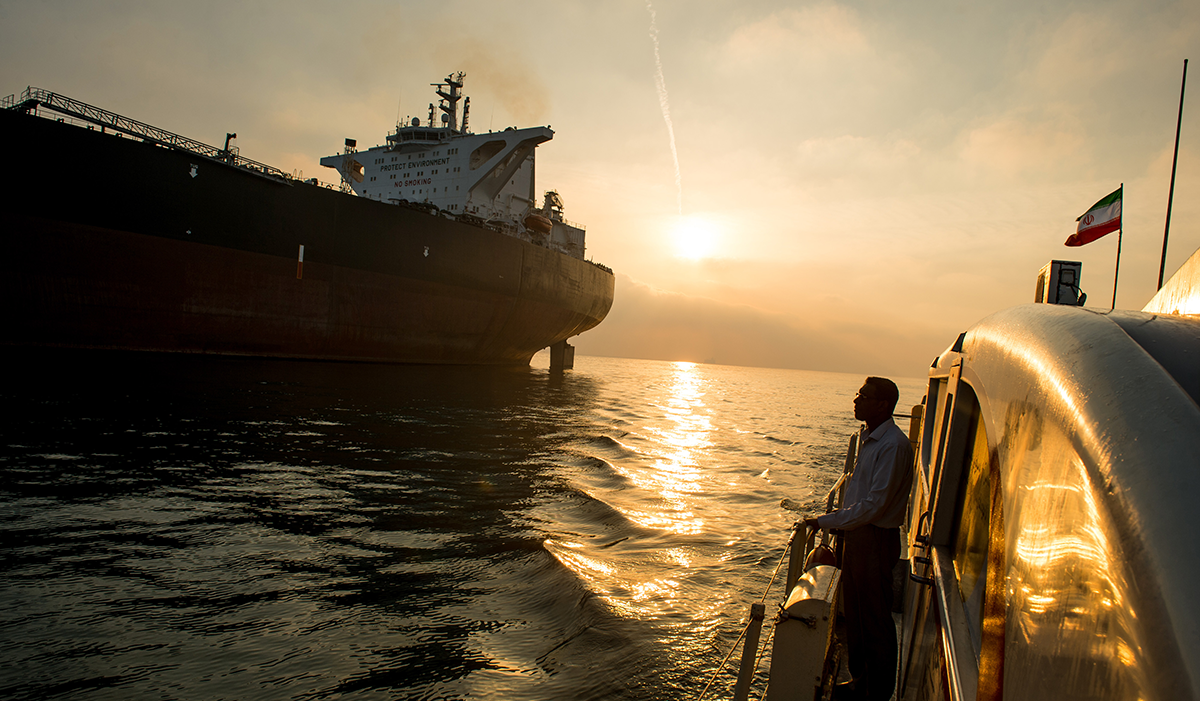
- The European Union imposed a complete ban on oil imports from Iran. The United States further restricted Iran’s export markets by threatening secondary sanctions against countries purchasing Iranian oil. These steps resulted in a sharp decline in Iran’s energy revenues, its primary source of foreign currency.
- • Sanctions in the Financial and Banking Sector:
- Iranian banks were disconnected from the international SWIFT payment system. Additionally, sanctions were imposed on the Central Bank of Iran, limiting access to foreign exchange reserves and severely restricting trade financing.
- • Sanctions in Trade and Industry:
- Exports of machinery, equipment, high-tech products, and industrial raw materials to Iran were significantly restricted. This weakened Iran’s production capacity and industrial infrastructure.
2015 JCPOA Agreement
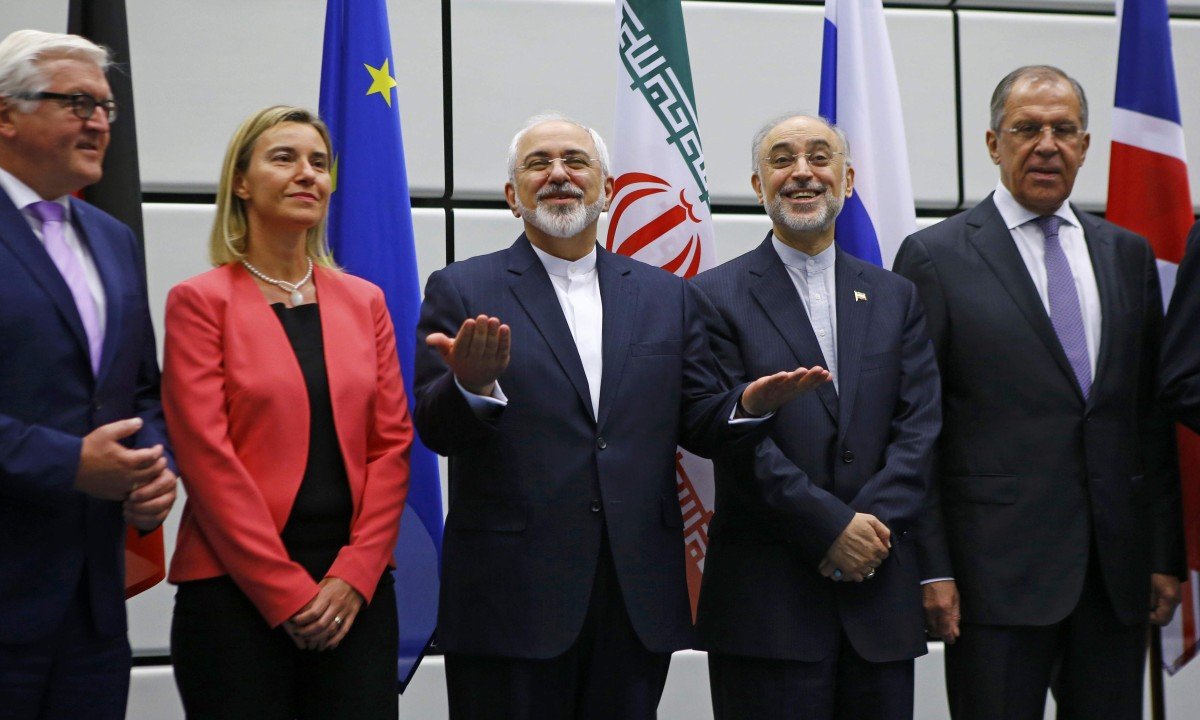
The Comprehensive Joint Plan of Action (JCPOA), signed in 2015 between Iran and the P5+1 countries (the United States, the United Kingdom, France, Russia, China, and Germany), marked a significant turning point in breaking the long-standing diplomatic deadlock. The agreement stipulated the lifting of sanctions in exchange for Iran limiting its nuclear program. Iran committed to substantially reducing its stockpile of enriched uranium, lowering its uranium enrichment level, and allowing inspections of its nuclear facilities by the International Atomic Energy Agency (IAEA).
Following the agreement, numerous sanctions imposed by the UN, the EU, and the United States were lifted or suspended. In particular, the easing of restrictions in the oil, banking, and foreign trade sectors enabled a revival of the Iranian economy. Access to billions of dollars in frozen foreign exchange reserves was restored, foreign trade volume increased, and Iran re-entered the international financial system, albeit in a limited capacity. The agreement also facilitated Iran’s reintegration into regional and international systems.
In 2020, the United States sought to invoke the snapback mechanism, claiming that Iran was not complying with the terms of the Joint Comprehensive Plan of Action (JCPOA), despite its official withdrawal from the agreement in 2018. This move sparked significant debate under international law, as it raised the question of whether a state that had formally exited the accord could still exercise the rights and privileges associated with it. The other members of the United Nations Security Council—particularly France, Germany, the United Kingdom, China, and Russia—rejected the U.S. position, deeming the request legally unfounded and procedurally invalid.
Following the rejection of its snapback proposal by other Security Council members, the United States proceeded to impose unilateral sanctions on Iran. These sanctions targeted sectors such as energy, finance, shipping, and key individuals and institutions within the Iranian government. The move further deepened transatlantic divisions on Iran policy and highlighted the limitations of unilateral approaches within multilateral diplomatic frameworks.
- 2006–2012: The Beginning of a Gradual Decline Due to sanctions imposed by the UN, the EU, and the US, Iran’s daily oil exports declined from approximately 2.5 million barrels per day to around 1.5 million barrels per day. This significant reduction severely diminished the country’s foreign currency revenues.
- Post-2015 JCPOA: Rapid RecoveryFollowing the JCPOA agreement, oil exports quickly rebounded, reaching nearly 2.5 million barrels per day by 2017. This recovery brought a marked improvement in Iran’s fiscal revenues.
- Post-2018 US Withdrawal: Sudden DeclineAfter the US withdrawal from the JCPOA, renewed sanctions caused Iran’s daily oil exports to plummet to below 500,000 barrels per day by 2019, representing a dramatic decrease in exports.
- Recent Period: Renewed IncreaseAlthough sanctions have not been fully lifted since 2022, Iran’s oil exports have entered a recovery phase, reaching approximately 1.4 million barrels per day in 2023 and an estimated 1.5 million barrels per day in 2024.
Social and Economic Assessments of Sanctions
Prior to the imposition of UN sanctions in 2006, Iran’s economy experienced relatively stable growth driven by substantial revenues from oil exports. However, structural challenges such as high inflation, unemployment rates, and income inequality were persistent issues within the economy. The initial phase of sanctions, particularly those targeting the energy sector, led to a reduction in Iran’s oil revenues, causing significant contractions in the state budget and public expenditures.
The comprehensive sanctions introduced by the US and the European Union in 2012 deeply affected the Iranian economy. The sharp decline in oil exports, isolation of the banking sector from the international financial system, and restricted access to financial resources exacerbated the economic contraction. As a result, inflation surged rapidly, unemployment rates increased, and the purchasing power of the populace deteriorated significantly. Shortages and price hikes in essential goods and imported products adversely impacted the living standards of especially low-income groups.
The economic impacts of sanctions hindered the government’s ability to sustain social welfare programs and led to disruptions in public services. Although these conditions fostered public discontent towards the regime, strong nationalist sentiments and stringent government control prevented widespread social unrest. Nevertheless, economic hardships, particularly rising unemployment and uncertainty about the future among the youth, laid the groundwork for social tensions.
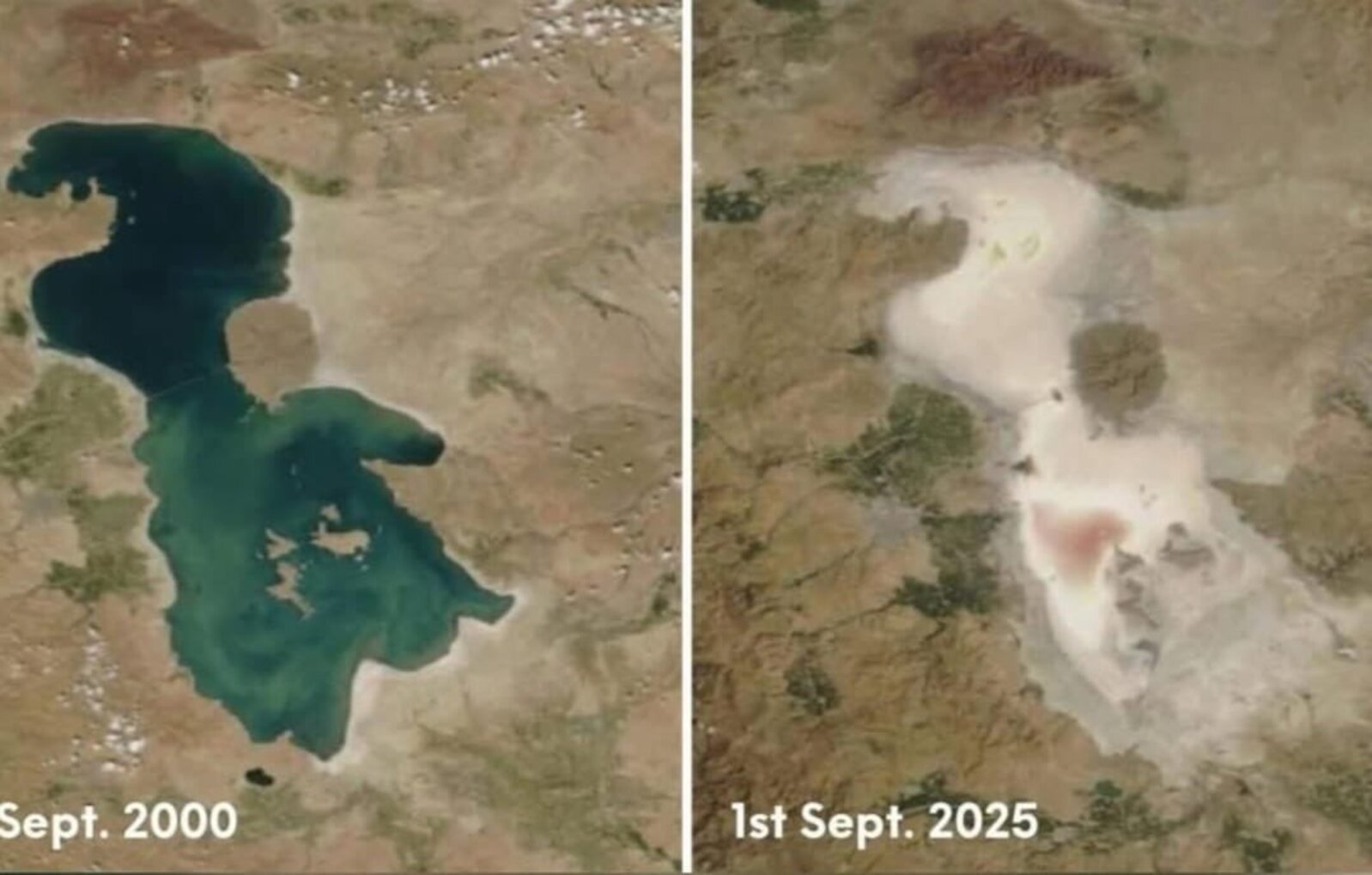
In this vein, Iran’s current economic situation remains challenging due to the prolonged effects of sanctions. Inflation rates remain elevated, unemployment is widespread, especially among young people, and job market opportunities are limited. Fluctuations in foreign exchange rates and depreciation of the local currency have adversely affected purchasing power, while prices of essential goods continue to rise steadily. Moreover, economic growth remains subdued, and the investment climate is fraught with uncertainties. In addition to these economic challenges, Iran is also facing a nationwide crisis in essential public services, particularly in the supply of water and electricity. Prolonged droughts, poor infrastructure, and mismanagement have led to frequent water shortages and power outages, further exacerbating public frustration and diminishing quality of life. Socially, income inequality, future anxieties among the youth, and unemployment have fueled increasing public dissatisfaction.
From a social perspective, the deepening economic difficulties may lead to heightened protests and growing social unrest. Pressures on young and low-income populations are likely to intensify, contributing to rising political and social tensions. The Iranian government may struggle to maintain control under such circumstances, placing national stability at risk. Such a scenario would escalate uncertainties both regionally and internationally, further isolating Iran diplomatically and economically.