The Zangezur Corridor Agreement and Iran’s Geopolitical Stance: Fall of Iran’s Regional Influence
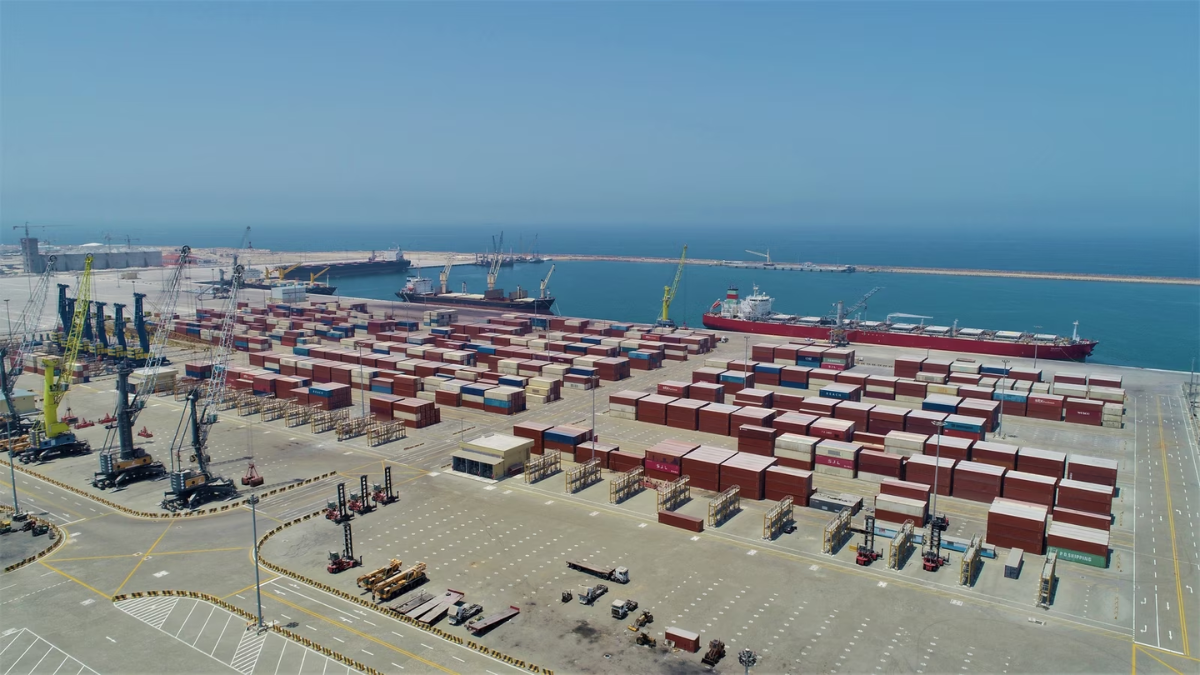
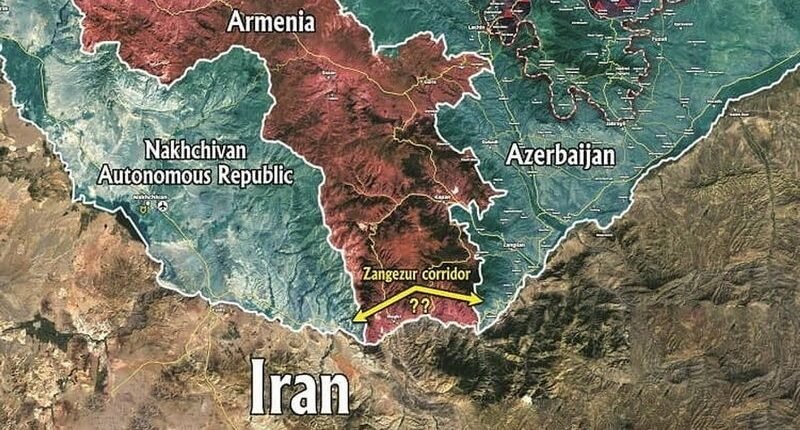
In 2025, under the mediation of the United States, a peace agreement was signed between Armenia and Azerbaijan, introducing the Zangezur Corridor as a strategic infrastructure project with the potential to reshape regional dynamics in the South Caucasus. Known as the “Trump Route for International Peace and Prosperity (TRIPP),” the corridor is designed to connect Azerbaijan with its exclave, the Nakhchivan Autonomous Republic, by traversing Armenian territory. As part of the agreement, the United States was granted exclusive development and operational rights for a period of 99 years, during which an American consortium is expected to oversee the project. The estimated $5 billion investment will include the construction of railway lines, highways, high-capacity energy transmission systems, fiber-optic communication infrastructure, and logistics hubs.
Despite the involvement of foreign actors, full sovereignty over the corridor will remain with Armenia, which will retain authority over security, legal jurisdiction, and infrastructure oversight. In response to regional concerns—particularly from Iran—Armenia has explicitly stated that the corridor will not serve as a military or political base for any third party and that the country’s territorial integrity will not be compromised. Nevertheless, Iran has approached the project with caution, viewing it as a potential instrument for expanding U.S. influence in the Caucasus and expressing its concerns through diplomatic channels. In this context, the Zangezur Corridor is not merely a vehicle for economic integration, but also a geopolitical nexus where broader power competition is being redefined.
Iran’s Reaction to the Agreement
Iran has traditionally maintained a cautious and often openly oppositional stance toward the concept of the Zangezur Corridor. At the core of this position lies a desire to safeguard the country’s geopolitical interests, territorial integrity, and regional influence. The corridor’s potential to connect Azerbaijan directly to Turkey via Nakhchivan poses a strategic concern for Iran, as it could effectively nullify Iran’s land access to Armenia and facilitate an uninterrupted Turkish-Azerbaijani transit route to Central Asia. From Tehran’s perspective, such developments introduce the risk of geographic isolation and signify a potential weakening of Iran’s strategic leverage in the South Caucasus.
Within this framework, Iran perceives any external involvement in the creation of the corridor—particularly initiatives linked to the United States, NATO, or Israel—as a threat to regional stability. Iranian foreign policy decision-makers emphasize that the Zangezur Corridor is not merely an economic project but rather a geopolitical restructuring initiative with far-reaching implications.
Former Iranian Foreign Minister Javad Zarif underscored this position, emphasizing that "the red line for us is the redrawing of borders". This policy was reinforced by Tehran's diplomatic move to open a consulate in Syunik. In addition to that, Seyyed Abbas Aragchi, highlighting Russia's pro-Azerbaijani orientation, warned that Moscow by stating; "If the territorial integrity of a neighbour is threatened, that is the red line for our national security". This reflected the reformist era's delicate diplomatic messaging in its search for balance vis-a-vis Russia.
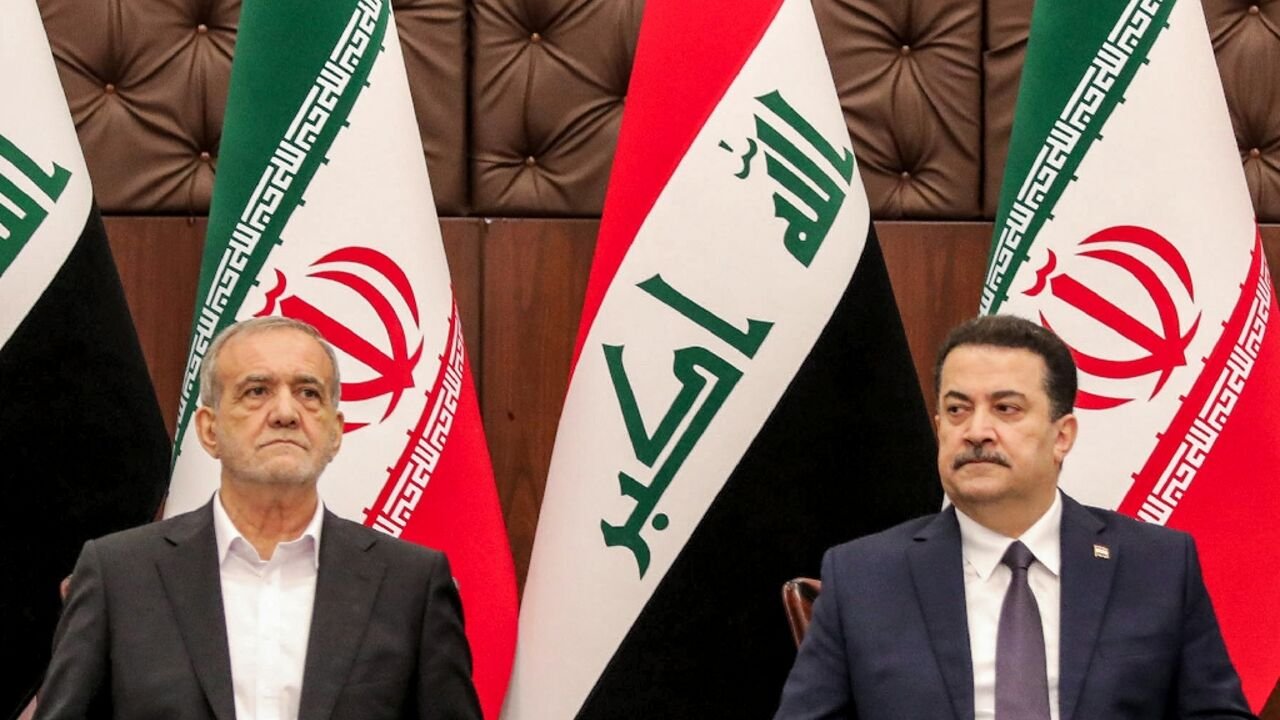
Within this framework, the Iranian government’s official stance exhibits a generally cautious approach toward the Zangezur Corridor. President Pezeshkian, in his previous statements, emphasized that any alteration of regional borders is unacceptable. In a declaration made in December 2024, he underscored that any threat to the territorial integrity of neighboring countries constitutes a “red line” for Iran.
| Dimension | Iran's Position/Impact | |
|---|---|---|
| 1 | Geopolitical Context | US expansion if regional influence; diminished influence for Iran and Russia. |
| 2 | Security | NATO/US backed corridor perceived as a threat to Iran's security. |
| 3 | Trade and Economics | Development of the Middle Corridor may reduce Iran's alternative geographic role. |
| 4 | Diplomatic Relations | While Iran's role in the region weakens, Ankara-Baku axis gains strength. |
| 5 | Domestic Policies | Potential to heighten intra-regime debates over foreign policy orientation. |
Political Approach to the Zangezur Corridor in Iran
In his capacity as the Supreme Leader’s advisor on international affairs, Ali Akbar Velayati described the proposed Zangezur Corridor as a dangerous initiative aimed at altering the geopolitical balance in the region to the benefit of the United States. Velayati likened former President Trump’s move to secure control over the corridor to an unclaimed “real estate” acquisition, emphasizing that such a project would not materialize and warning that the route could become a “graveyard for Trump’s mercenaries.”
He further noted that Iran is preparing to counter the corridor through both diplomatic and military means, highlighting that Iranian armed forces under the command of General Mohammad Bagheri had already conducted large-scale exercises in northwestern Iran as a demonstration of readiness.
In addition to that, Kayhan-a conservative daily newspaper- described Zangezur Corridor as a "potential highwayfor military and intelligence infiltration". The newspaper argued that delays in implementing the project could escelate into geopolitical crisis and stresssed the necessity of a deterrent response.
On August 10, 2025, Masoud Pezeshkian stated that the Zangezur Corridor does not pose the exaggerated threat often portrayed in the media. Based on a report presented to him by Foreign Minister Abbas Araghchi, he affirmed that Iran’s demands had been met. These demands include the preservation of regional sovereignty, the continuation of Iran’s connection to Europe, and the maintenance of its northern border. However, Pezeshkian highlighted that the involvement of an Armenian and an American company in the project remains the sole cause for concern.
Iran's Shrinking Sphere of Influence
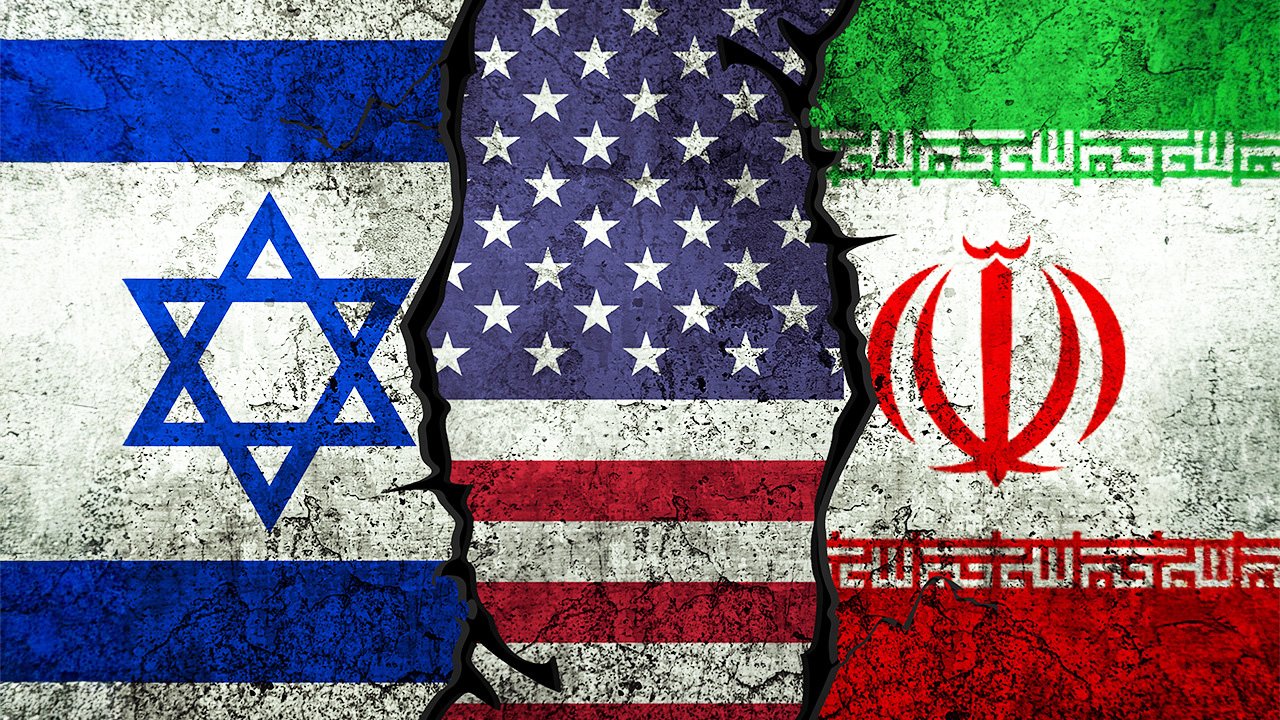
In recent years, Iran has faced substantial losses both economically and geopolitically. Heavy pressure from US sanctions, volatility in currency exchange, and rising inflation undermined economic stability at home. Regionally, ongoing confrontations with Israel and the diminished effectiveness of its proxy forces-Hezbollah and Shiite militias- have created gaps in Iran's "Axis of Resistence" strategy. Against this backdrop, the Zangezur Agreement stands as another indicator of Iran's contracting sphere of influence.
Within Iran, the conservative faction’s statements regarding the Zangezur Corridor have often been characterized by grandiose claims that tend to exceed the country’s actual capabilities. In contrast, the Iranian government has consistently adopted a more moderate and pragmatic tone, aligning its discourse with the nation’s realistic strategic and political capacities. Drawing from official government statements, it appears unlikely that Iran will adopt a stringent stance aimed at outright preventing the opening of the corridor. This restraint reflects a broader trend of diminishing Iranian influence in the South Caucasus region.
Consequently, the government, and particularly President Pezeshkian’s administration, which has long faced criticism for its inability to obstruct the corridor’s establishment, is expected to encounter increasing domestic scrutiny. In the foreseeable future, it is anticipated that the conservative camp will intensify its critique of the government’s handling of the issue, thereby exacerbating internal political tensions within Iran.