Iran’s Nuclear Negotiations: Diplomacy at the Crossroads of Politics and Power
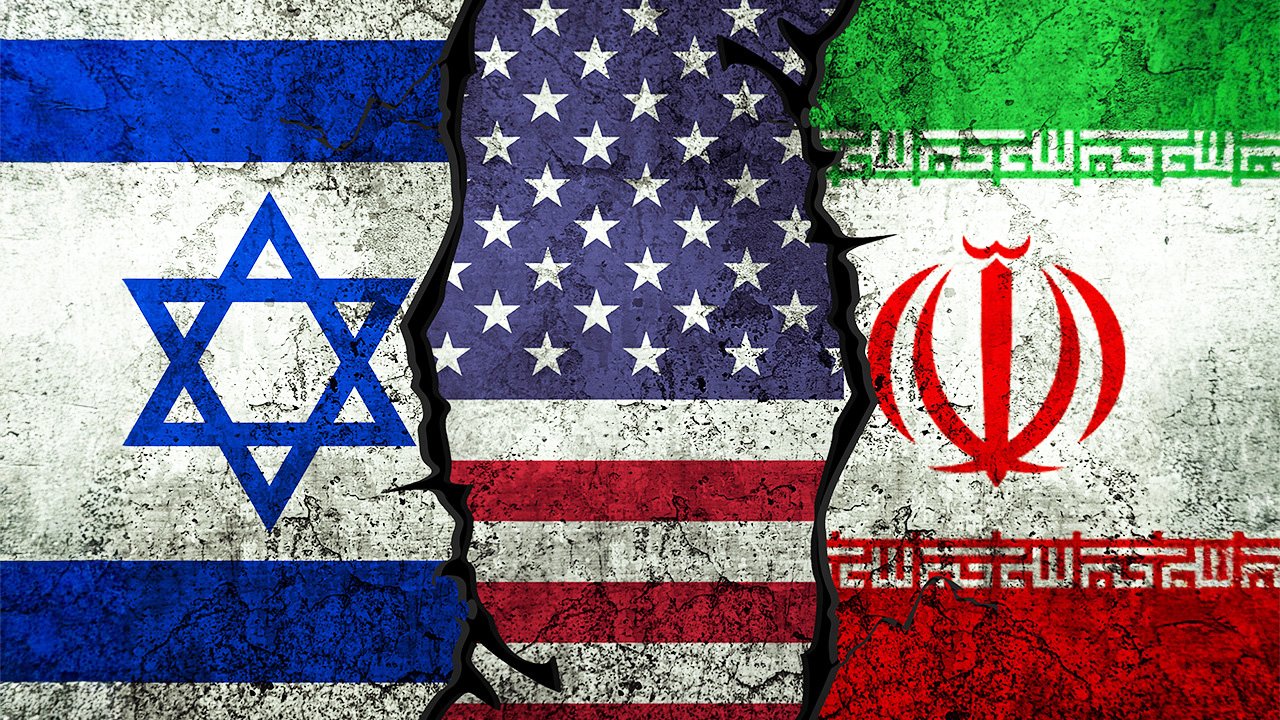
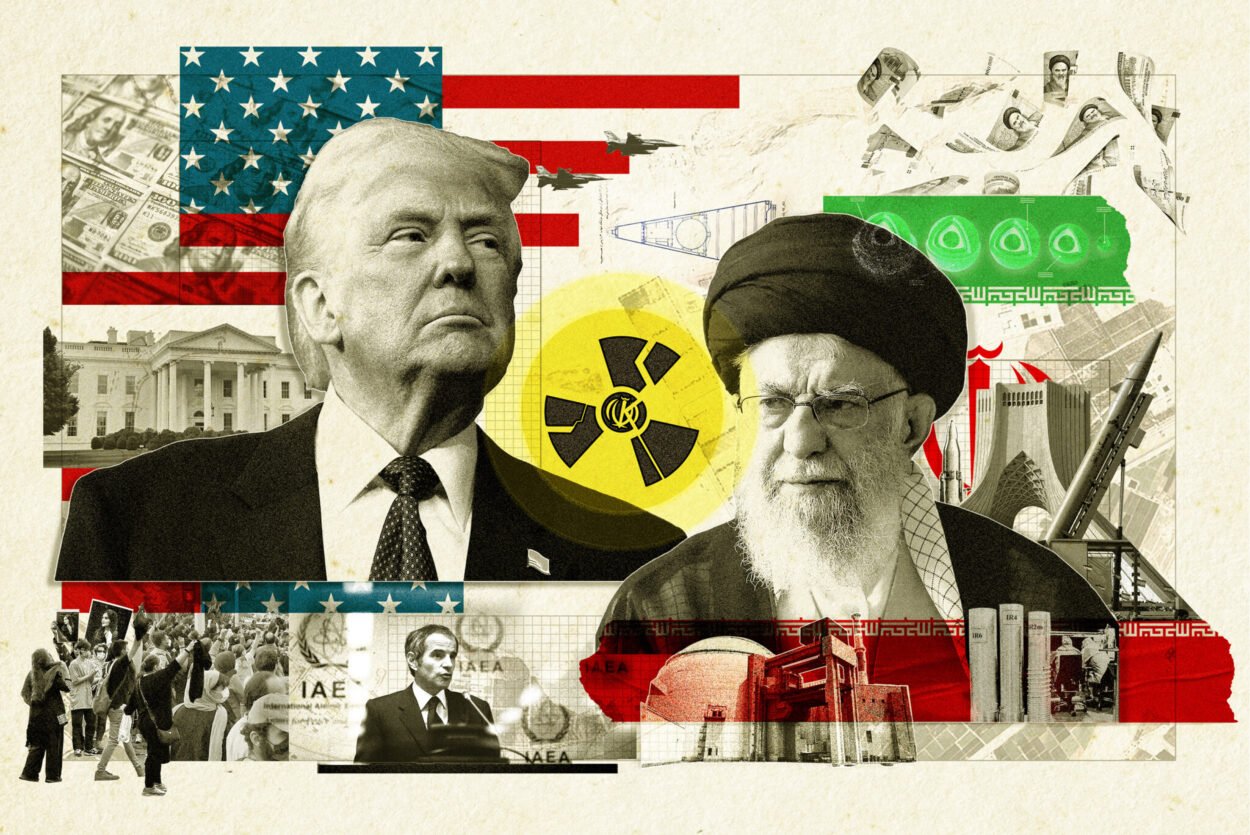
The international negotiations over Iran’s nuclear program stand among the most complex and enduring diplomatic efforts of the 21st century. At stake is not only the future of Iran’s nuclear capabilities but also the broader architecture of non-proliferation, regional security, and international diplomacy. As talks remain stalled amid shifting political realities and rising global tensions, the question persists: is a sustainable agreement still possible, or has diplomacy reached a terminal impasse?
Historical Background: From Suspicion to Negotiation
Iran’s nuclear ambitions date back to the 1950s under the U.S.-backed “Atoms for Peace” program. However, after the 1979 Islamic Revolution, relations with the West soured, and Iran’s nuclear activities were increasingly viewed through the lens of secrecy and suspicion. Allegations of undeclared enrichment sites and weapons-related research led to multiple International Atomic Energy Agency (IAEA) investigations and the imposition of UN Security Council sanctions in the mid-2000s.
Between 2006 and 2013, various rounds of negotiations between Iran and the so-called P5+1 (the U.S., UK, France, Russia, China, and Germany) failed to produce lasting outcomes. The turning point came with the election of President Hassan Rouhani, a relative moderate, and the appointment of Foreign Minister Mohammad Javad Zarif, who engaged in intensive diplomatic efforts culminating in the Joint Comprehensive Plan of Action (JCPOA) in July 2015.
The JCPOA: A Diplomatic Milestone with Fragile Foundations
The JCPOA was a landmark agreement that imposed strict limitations on Iran’s nuclear activities in exchange for phased sanctions relief. Key provisions included:
- Reducing Iran’s stockpile of enriched uranium by 98%.
- Capping enrichment levels at 3.67%.
- Limiting the number and type of centrifuges.
- Granting IAEA inspectors broad access to nuclear facilities.
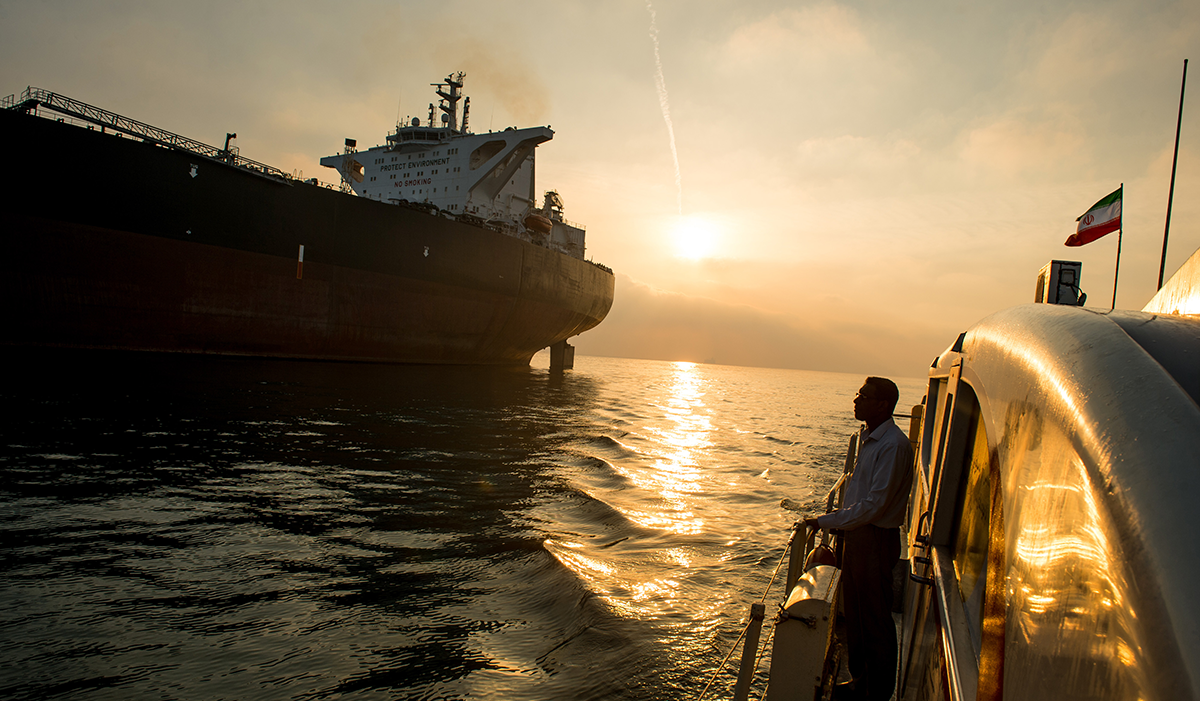
In return, Iran was reintegrated into the global economy, particularly through oil exports and access to international financial systems. The deal was widely regarded as a major diplomatic success, but it was also politically contentious—especially in Washington and Tehran.
Collapse and Consequences: U.S. Withdrawal and Iran’s Response
In May 2018, the Trump administration unilaterally withdrew from the JCPOA, citing concerns about Iran’s ballistic missile program, regional behavior, and the deal’s sunset clauses. The U.S. reimposed sweeping economic sanctions under a “maximum pressure” campaign, effectively severing Iran from global markets.
Iran initially abided by the agreement in hopes that European powers could salvage the deal. However, as promised economic benefits failed to materialize, Iran began incrementally violating JCPOA limits starting in 2019. These included:
- Enriching uranium up to 60%.
- Installing advanced centrifuges.
- Expanding stockpiles of enriched material.
- Reducing cooperation with the IAEA.
These actions did not signify an abrupt withdrawal but a calculated strategy of pressure, aimed at forcing a return to the negotiating table on Iran’s terms.
Revival Efforts: Diplomacy under Biden and the Vienna Talks
The Biden administration entered office with a stated commitment to restoring the JCPOA “compliance for compliance.” Beginning in 2021, indirect talks resumed in Vienna with the participation of European and Russian intermediaries. The negotiations faced numerous stumbling blocks:
- Iran’s demand for guarantees that the U.S. would not exit the deal again.
- Disputes over sequencing: who should act first in returning to compliance.
- Debates over the inclusion of non-nuclear issues such as regional activities and missile development.
- Domestic political changes in Iran, especially the 2021 election of hardline President Ebrahim Raisi, which hardened negotiating positions.
Despite multiple rounds and near-agreements, no final deal was reached. By 2023, the talks entered a state of limbo, further complicated by regional crises, Iran’s deepening ties with Russia and China, and deteriorating Western relations.
Geopolitical Dimensions: Multipolarity and Strategic Calculations
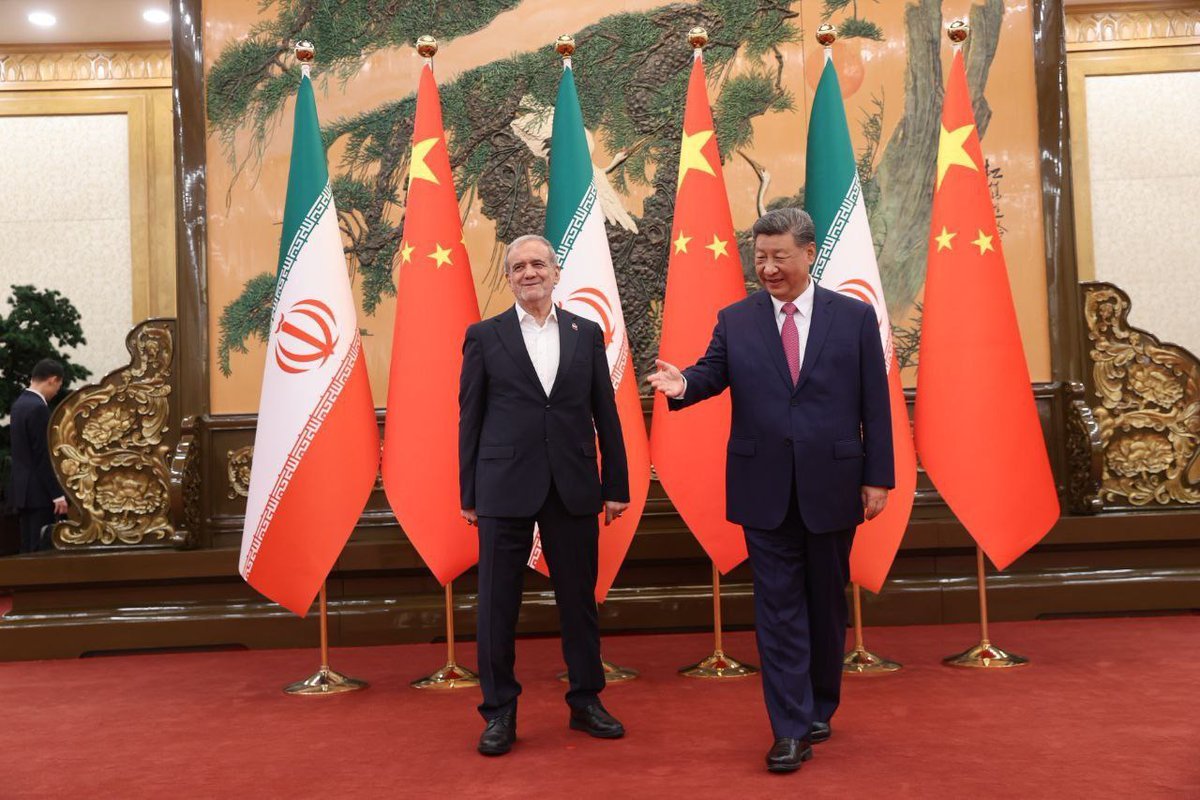
Iran’s nuclear negotiations cannot be separated from broader geopolitical currents. The shift toward a multipolar international order—with the rise of China and the reassertion of Russia—has reduced the leverage of U.S.-led diplomacy. Iran has increasingly diversified its strategic partnerships, signing long-term cooperation agreements with both Beijing and Moscow.
Moreover, regional dynamics—particularly the Abraham Accords, Iran–Saudi Arabia détente brokered by China, and the fragile security environment in Iraq, Syria, and Lebanon—add further complexity. Any future agreement will need to address not only nuclear constraints but also Iran’s regional posture and the concerns of neighboring states.
Challenges Ahead: Trust, Timing, and Political Will
Several critical challenges continue to undermine the prospect of a renewed nuclear deal:
- Mutual Distrust: Iran views the U.S. as an unreliable negotiating partner after the JCPOA withdrawal. The U.S., in turn, remains skeptical of Iran’s intentions and transparency.
- Domestic Constraints: Both governments face internal political pressure. In Iran, hardliners oppose Western engagement. In the U.S., any agreement is likely to face Congressional opposition and media scrutiny.
- Verification and Enforcement: Ensuring compliance through robust monitoring mechanisms while respecting national sovereignty is a delicate balance that remains unresolved.
- Shifting Priorities: Global crises—including the war in Ukraine, tensions in East Asia, and global economic instability—have reduced the urgency of resolving the Iran nuclear issue.
Conclusion: Diplomacy in Suspension, Not Collapse
While the JCPOA is effectively dormant, diplomacy is not entirely dead. Quiet backchannel communications continue, and both sides appear to recognize that a complete breakdown could trigger regional escalation or even armed conflict.
The international community, particularly Europe, continues to advocate for dialogue. Meanwhile, Iran’s expanding nuclear program—now approaching weapons-grade capabilities—adds urgency to renewed diplomatic efforts, even if informal.
A comprehensive and durable solution will likely require a new framework—one that goes beyond the JCPOA’s technical limits and addresses the broader architecture of regional security, economic engagement, and reciprocal trust-building.
Whether such a framework is politically feasible remains to be seen. What is clear, however, is that the current state of strategic ambiguity is unsustainable. The cost of inaction may soon outweigh the political risks of negotiation.