Iran’s Gulf Policy: Strategic Depth, Regional Rivalries, and the Pursuit of Balance
Iran’s policy in the Persian Gulf is a cornerstone of its regional strategy and a focal point of both cooperation and confrontation in Middle Eastern geopolitics. Bordering the world's most strategically significant waterway, the Persian Gulf, Iran views the region not only through the prism of national security but as an arena for projecting influence, resisting external dominance, and asserting its status as a regional power.
Iran’s Gulf policy is shaped by history, ideology, geography, and realpolitik. It is also deeply entangled with the policies of neighboring Gulf states, the presence of global powers, and the evolving structure of regional alliances. Understanding Iran’s Gulf posture requires an analysis that integrates strategic motivations, historical grievances, and emerging diplomatic shifts.
Historical Legacy and Strategic Geography
Iran’s Gulf policy is rooted in its imperial and post-revolutionary history. The Persian Gulf—known historically by that name for centuries—has long been central to Iran’s national identity and maritime interests. During the Pahlavi era, especially under Mohammad Reza Shah, Iran acted as the primary U.S.-backed guarantor of Gulf security, wielding significant naval power and projecting regional authority.
Following the 1979 Islamic Revolution, Iran’s Gulf policy underwent a radical transformation. The newly formed Islamic Republic rejected the monarchical status quo and sought to export its revolutionary ideals across the region, particularly to Shi’a populations in the Gulf. This ideological posture alarmed Gulf monarchies, notably Saudi Arabia, Bahrain, and the UAE, leading to deep and lasting mistrust.
The Iran–Iraq War (1980–1988) further entrenched Iran’s defensive and militarized approach to Gulf policy. During the so-called “Tanker War,” attacks on oil shipments and the militarization of Gulf waters cemented the perception of the Gulf as both an economic lifeline and a strategic vulnerability.
Key Objectives of Iran’s Gulf Policy
Iran’s contemporary Gulf policy is shaped by a blend of security imperatives, economic needs, ideological elements, and geopolitical calculations. Its main objectives include:
- Ensuring Regime Survival and Deterrence
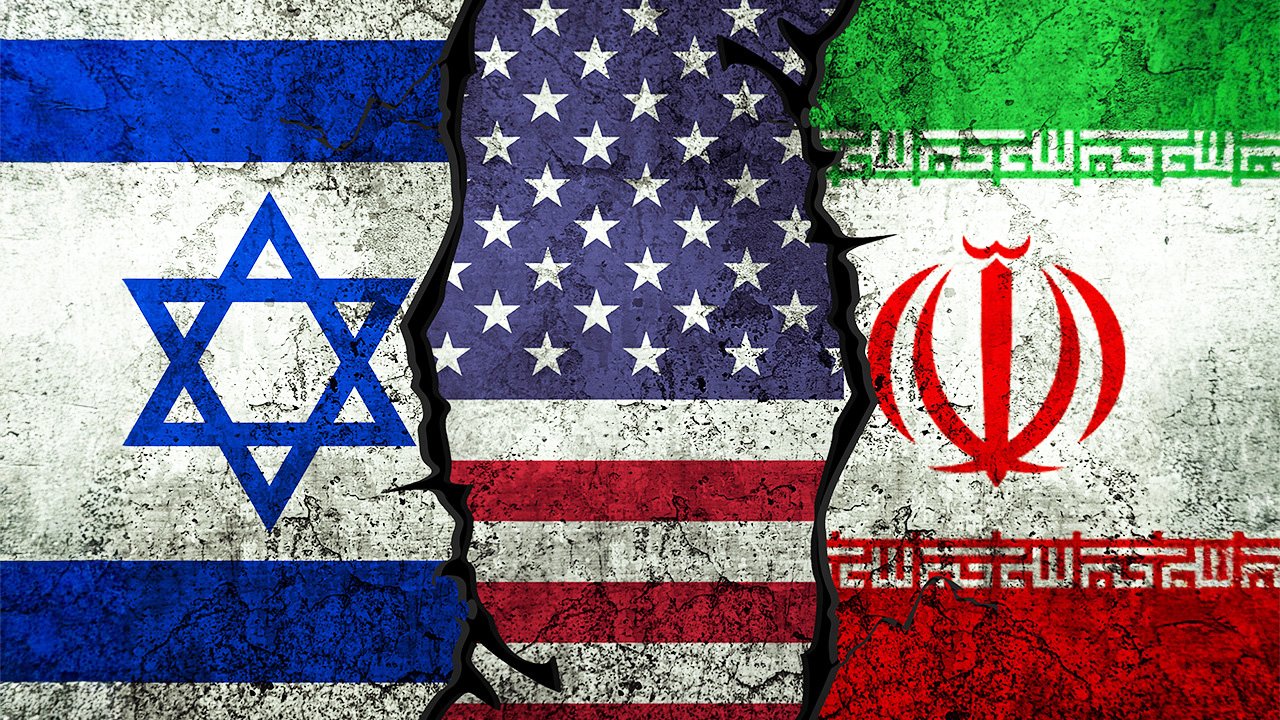
- Given its strategic exposure in the Persian Gulf, Iran prioritizes deterrence against regional and global adversaries, especially the United States and Israel. The development of asymmetrical capabilities—including naval forces, anti-ship missiles, and proxy alliances—is central to Iran’s Gulf strategy.
- Preserving Influence and Strategic Depth
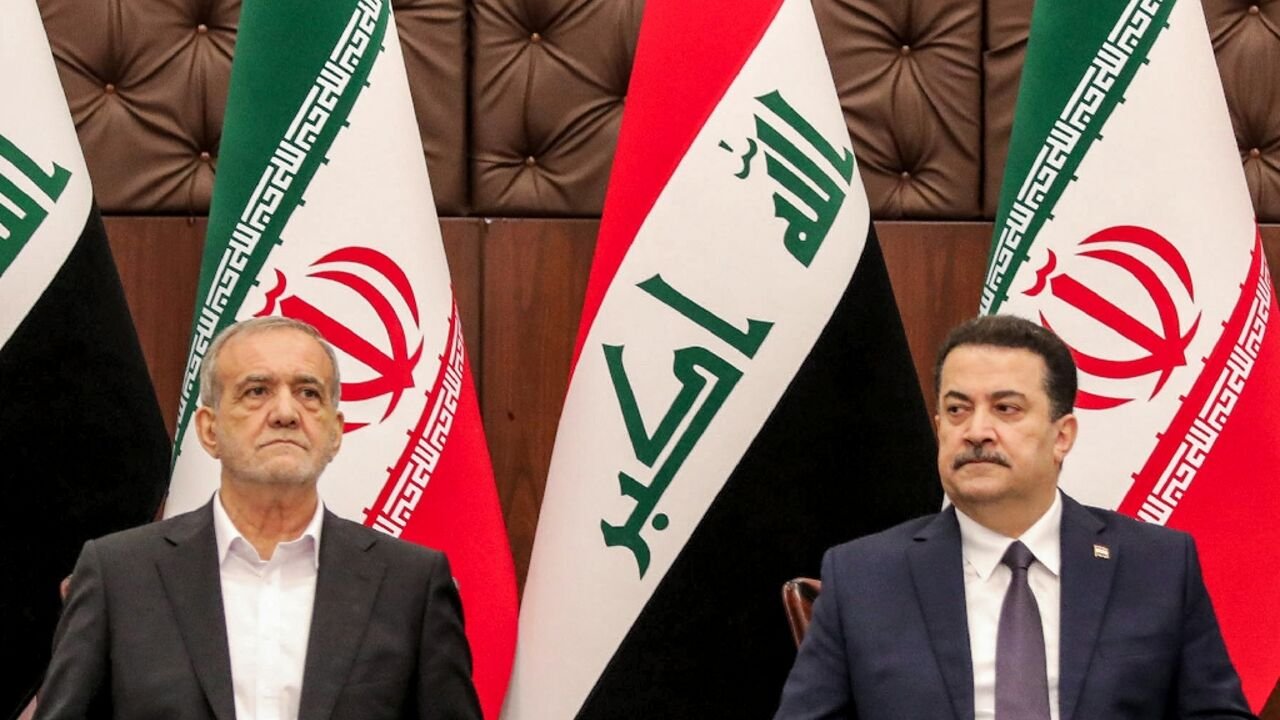
- Iran maintains strategic relationships with groups across the region—most notably in Iraq, Bahrain, and Yemen—to counterbalance what it sees as hostile coalitions led by Saudi Arabia and backed by the U.S.
- Opposing Foreign Military Presence
- Tehran has consistently opposed the permanent presence of U.S. and Western forces in the Gulf, arguing that regional security should be maintained by local states. This has led to its promotion of concepts like a “regional security framework” or the “Hormuz Peace Endeavor (HOPE),” first introduced at the United Nations in 2019.
- Protecting Energy Routes and Economic Interests
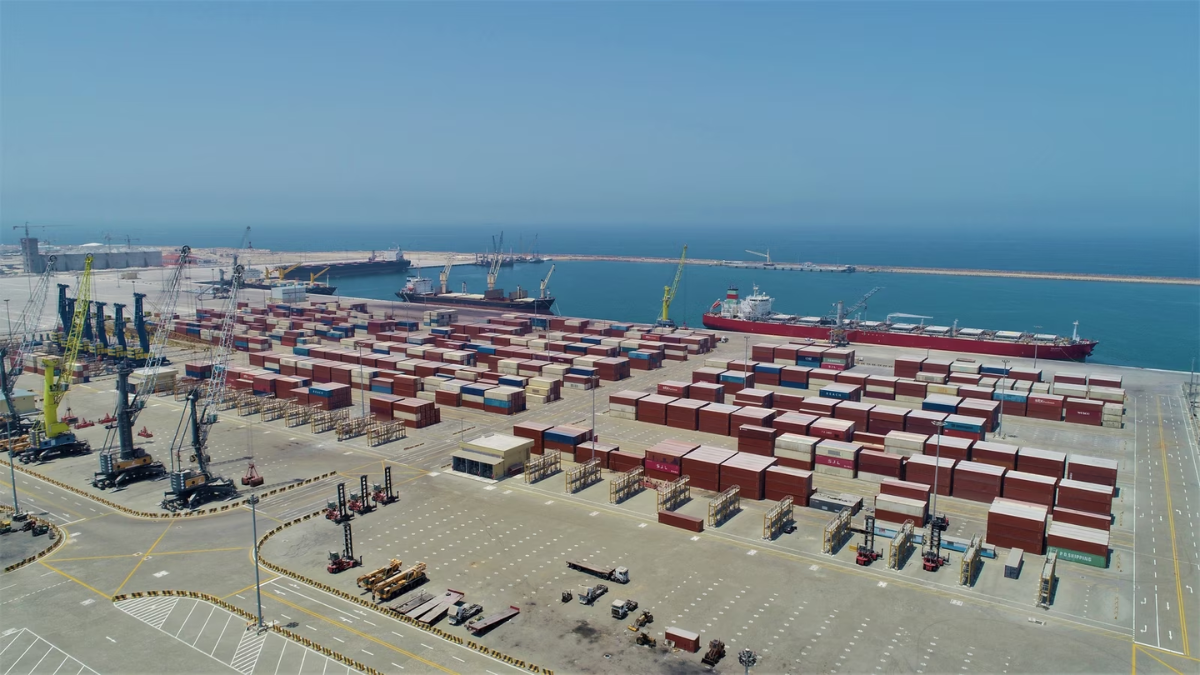
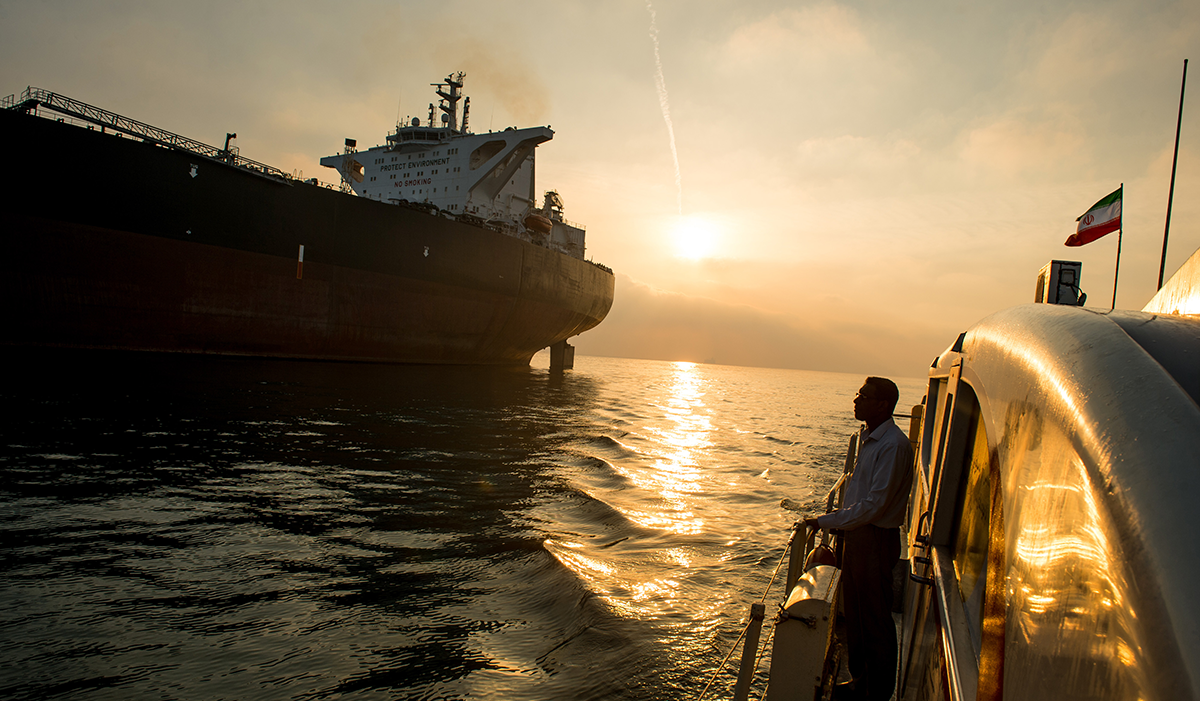
- The Strait of Hormuz, through which a significant portion of the world’s oil passes, is central to Iran’s strategic calculations. Iran has repeatedly signaled its willingness to disrupt these routes in times of conflict, reinforcing its leverage over global energy markets.
Relations with Individual Gulf States
- Saudi Arabia
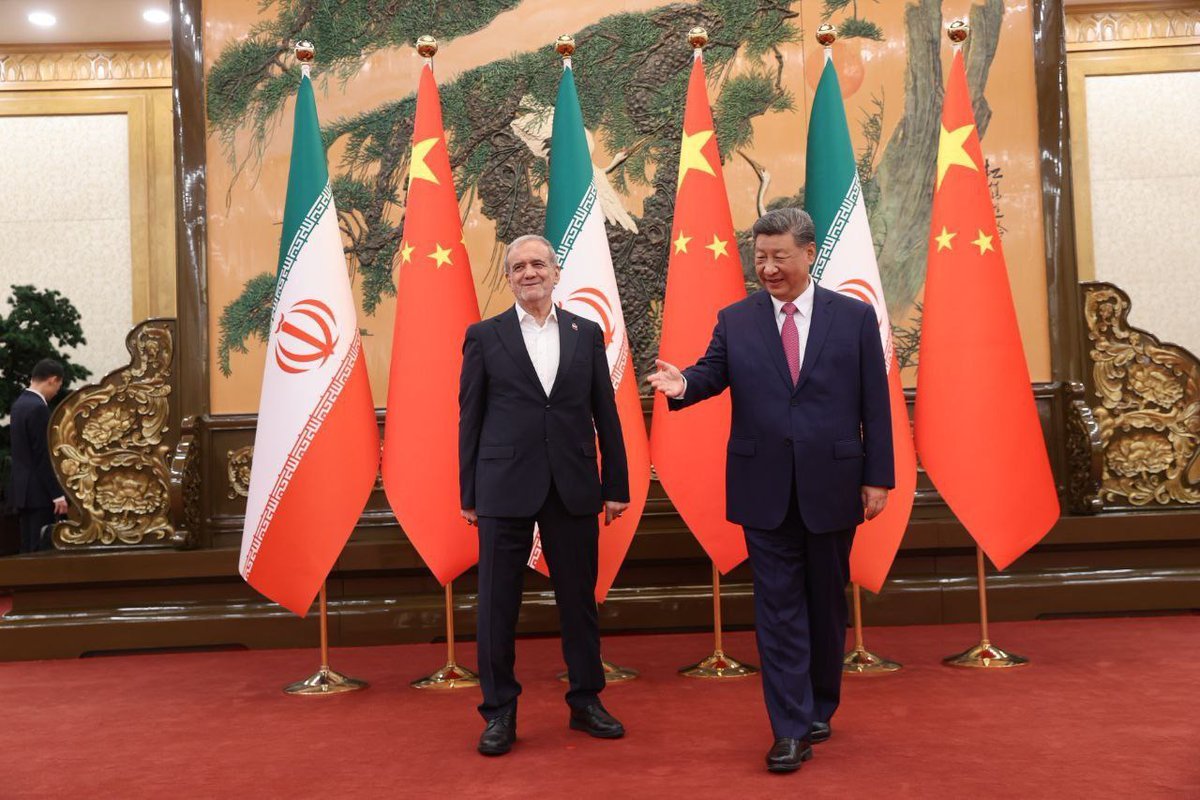
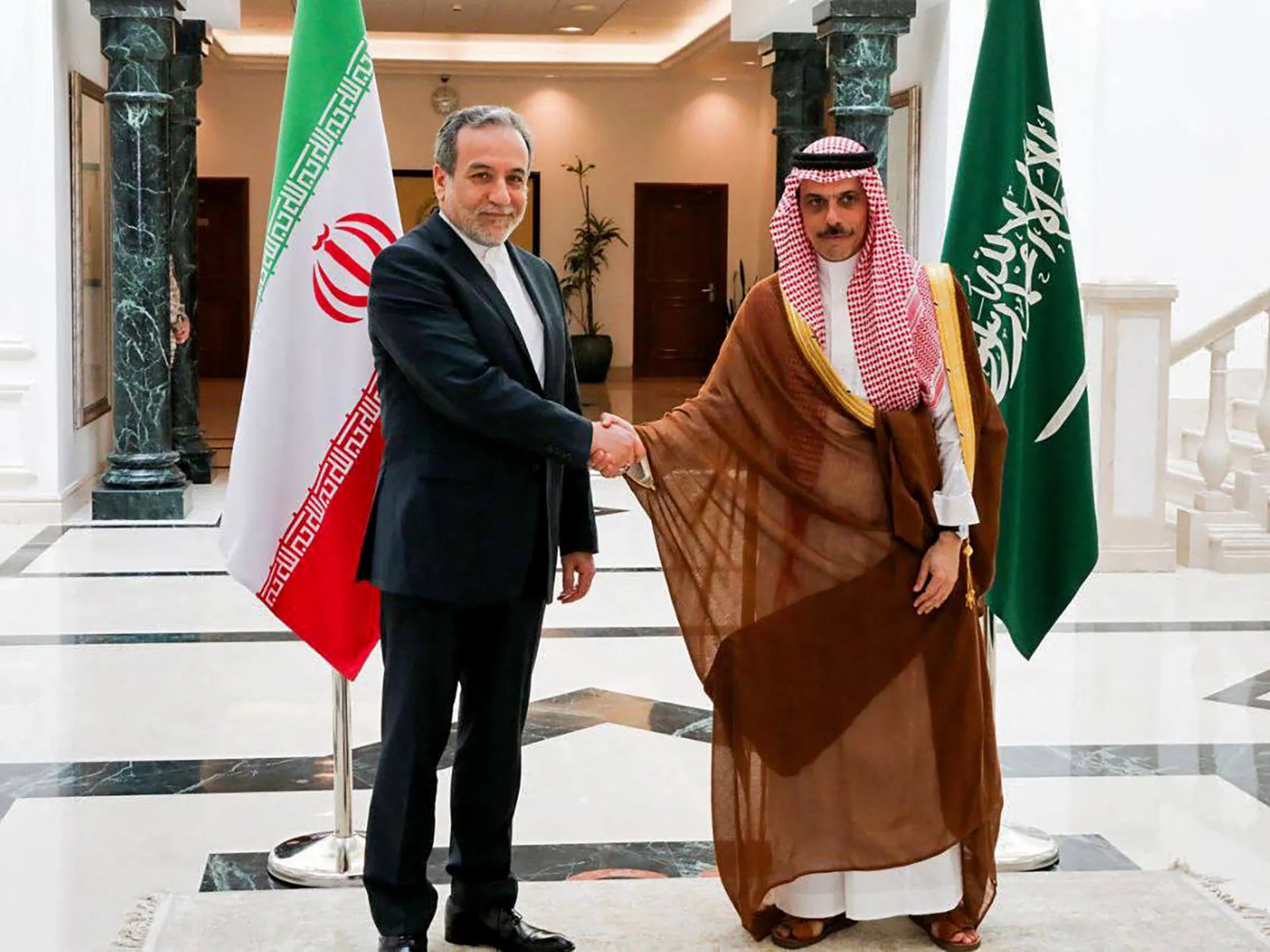
- The rivalry with Saudi Arabia has been the most defining feature of Iran’s Gulf policy. Rooted in sectarian, ideological, and strategic competition, the two powers have clashed indirectly in Yemen, Syria, Lebanon, and Iraq. However, the 2023 China-brokered agreement to restore diplomatic ties marked a potential turning point, with both sides signaling interest in de-escalation and dialogue.
- United Arab Emirates (UAE)
- The UAE maintains a complex relationship with Iran. While it has deepened security ties with the U.S. and Israel, it also shares robust economic links with Iran, particularly through Dubai. Territorial disputes—especially over the islands of Abu Musa and the Greater and Lesser Tunbs—remain a source of tension, though periodic diplomatic engagement continues.
- Qatar
- Iran and Qatar have maintained generally cordial relations, especially following the 2017 Gulf Cooperation Council (GCC) crisis, during which Saudi Arabia, the UAE, Bahrain, and Egypt imposed a blockade on Qatar. Iran supported Qatar with access to airspace and supplies, strengthening bilateral ties.
- Kuwait and Oman
- Oman has often played the role of a neutral intermediary and has hosted backchannel negotiations between Iran and Western states. Iran views Oman as a constructive neighbor. Kuwait maintains cautious but functional relations with Iran, balancing its ties with the GCC and concerns over regional stability.
- Bahrain
- Relations with Bahrain remain severely strained. The Bahraini government has accused Iran of supporting unrest among its Shi’a majority population. Iran denies direct involvement, but political mistrust remains high, compounded by Bahrain’s close alignment with Saudi Arabia and its normalization of ties with Israel.
Military Posture and Maritime Strategy
Iran’s military presence in the Gulf is centered on the Islamic Revolutionary Guard Corps (IRGC) Navy, which specializes in asymmetric warfare, including small boat swarming tactics, anti-ship missile deployment, and mine warfare. These capabilities are designed to counter larger, more technologically advanced naval forces, particularly the U.S. Fifth Fleet based in Bahrain.
Iran also uses its Gulf presence as a platform for signaling. Periodic seizures of tankers, military drills, and rhetorical threats about closing the Strait of Hormuz are tools of deterrence and political messaging.
Recent Shifts and Diplomatic Engagements
Iran’s Gulf policy has entered a period of measured recalibration in the wake of shifting regional and global dynamics:
- The China-brokered Iran–Saudi rapprochement reflects a strategic reassessment on both sides amid economic pressures and changing global power balances.
- The normalization of ties between Israel and Gulf states under the Abraham Accords presents a new challenge for Iran, which perceives these alignments as a threat to its regional position.
- U.S. retrenchment from the region, though not complete, has led Gulf states to diversify their security partnerships—including greater engagement with China and Russia—creating both risks and opportunities for Iran.
Conclusion: Between Confrontation and Pragmatism
Iran’s Gulf policy is best characterized as a dynamic balance between ideological resistance and pragmatic engagement. While foundational tensions—particularly with Saudi Arabia and the U.S.—persist, Iran has demonstrated a growing willingness to explore diplomatic avenues, especially under conditions of economic duress and shifting geopolitical alignments.
As the Gulf region undergoes transformation—from energy diversification to new security architectures—Iran’s strategy will likely continue evolving. Whether this evolution leads toward lasting détente or renewed confrontation will depend not only on Iran’s own policies but on the broader regional willingness to build an inclusive and cooperative security framework.