Irans Activities in Africa: Drivers, Scope, and Implications (2023mid-2025)
1.Introduction
Since 2023 Tehran has treated Africa as a geopolitical laboratory for expanding economic opportunities, breaking diplomatic isolation, and projecting hard- and soft-power influence. The Raisi administrations first presidential tour of the continent in a decade (Kenya, Uganda, Zimbabwe, July 2023) symbolised a policy that Iranian officials call the Pivot to Africa. This article surveys Irans Africa footprint in four domainsdiplomacy, trade and investment, security/military cooperation, and ideological outreachdrawing on the most recent data and field events.
2.Diplomatic Engagement
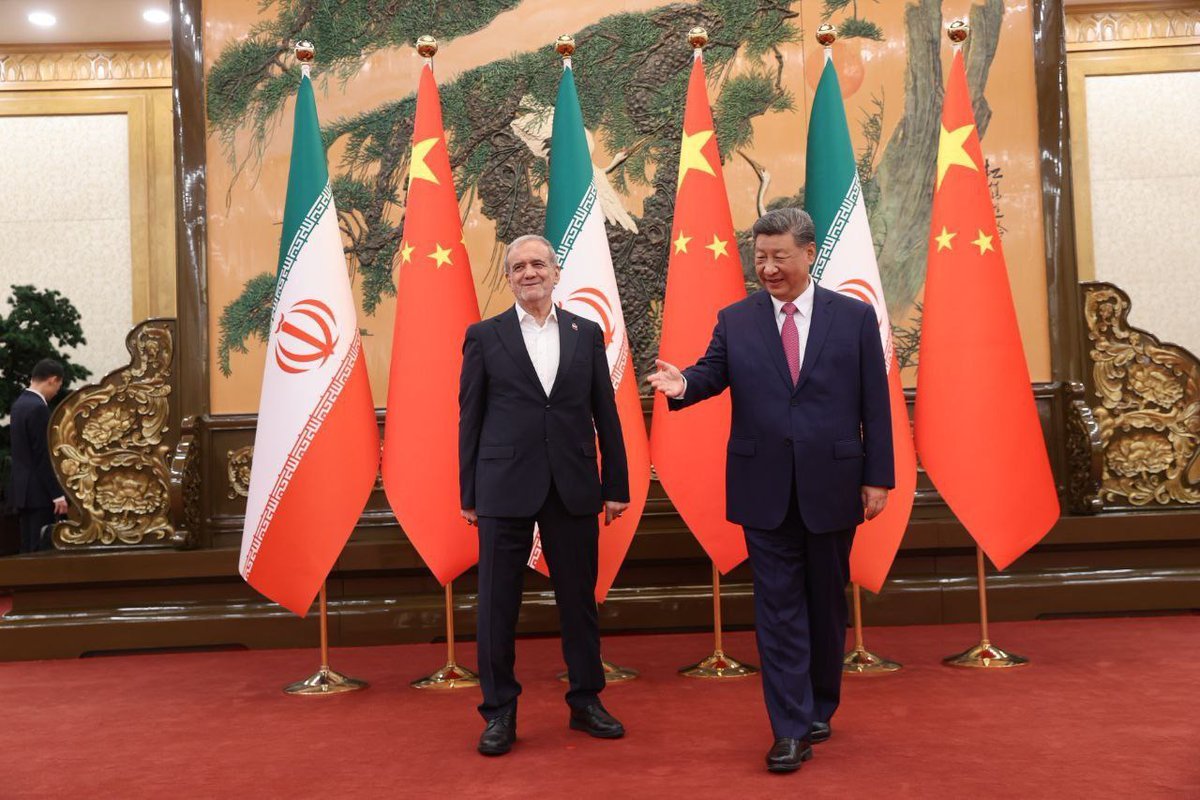
High-level visits and agreements. President Ebrahim Raisis July 2023 swing through East and Southern Africa produced more than a dozen MOUs on agriculture, energy, tractor assembly, medicine and telecoms. Tehran also reopened embassies and has promised to staff 10 new trade centres on the continent.
Multilateral forums. Iran used forums like the RussiaAfrica summit and BRICS+ outreach meetings to lobby for African support against U.S. sanctions and hosted the IranAfrica Forum with the Trade Promotion Organisation.
3.Economic Footprint
After plunging to US $650 million in 202021, IranAfrica commerce rebounded to ~US $1.28 billion in 202223 and has hovered near US $1.3 billion through 2024.
Top Export Partners in 202223:
- South Africa: $318M
- Mozambique: $189M
- Ghana: $165M
Main exports: bitumen, petro-chemicals, cement, cars, medical supplies. Imports (under $100M) include corn, manganese ore, tropical fruit.
4.Security and Military Cooperation
- The 86th naval flotilla docked in Cape Town on 31 March 2023.
- Drone and missile transfers noted to Ethiopia, Sudan, Polisario Front.
- Ethiopia-Iran signed a security MoU on 6 May 2025 on intelligence and counter-terror training.
5.Ideological and Soft-Power Outreach
- 100+ Iranian-linked Islamic centres and seminaries.
- Scholarships via Al-Mustafa University attract clerics to Qom.
- IRGC/Quds funds to Nigerian IMN (est. $120K/year) sustain local influence.
6.Constraints and Outlook
- Economic headwinds and limited financing capacity.
- Competition from Turkey, Israel, Gulf states.
- U.S. and EU counter-measures such as sanctions on arms/drone brokers.
7.Conclusion
Irans Africa policy from 20232025 is wide but shallow. Economic ties are broad but face hard limits. Security and ideological influence persist but draw scrutiny. Irans future impact will depend on its ability to fund, protect and politically sustain this engagement without alienating its African counterparts.
Figures:
- Figure 1 Trade Graph (20202024)
- Figure 2 Timeline of Key Engagements (20232025)