United States–Iran Relations: A History of Tension and the Elusive Path to Rapprochement
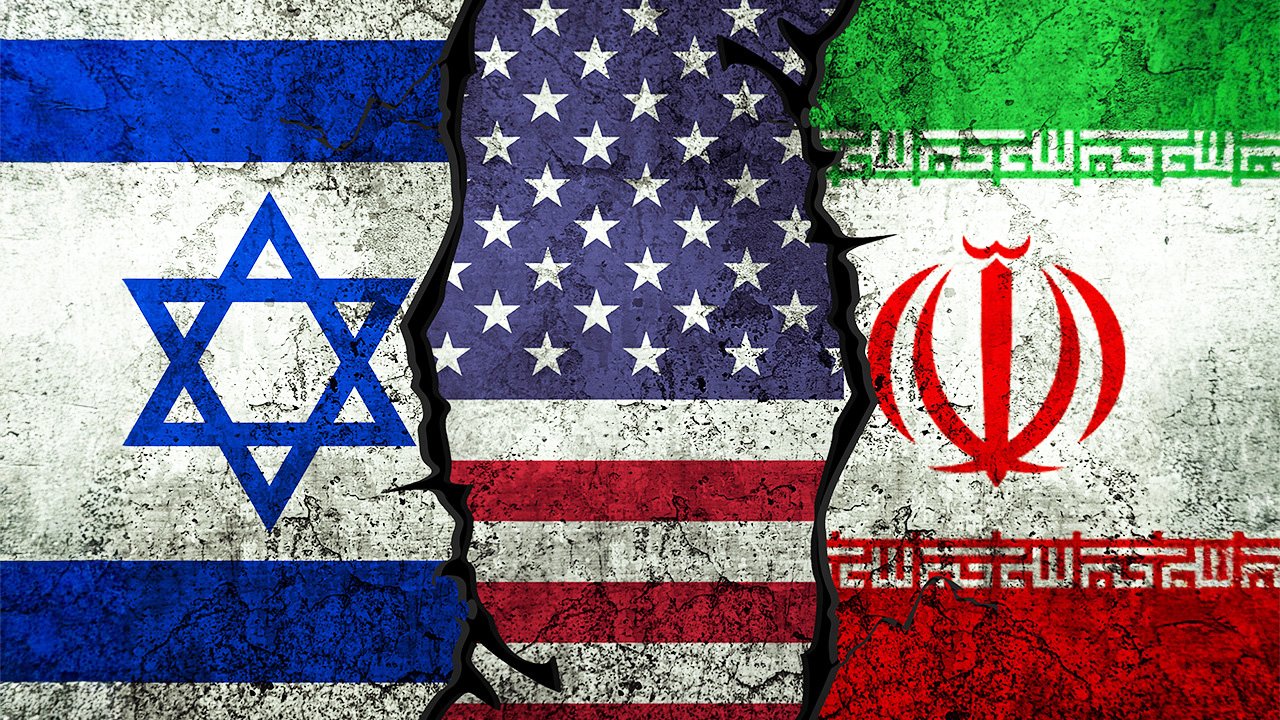
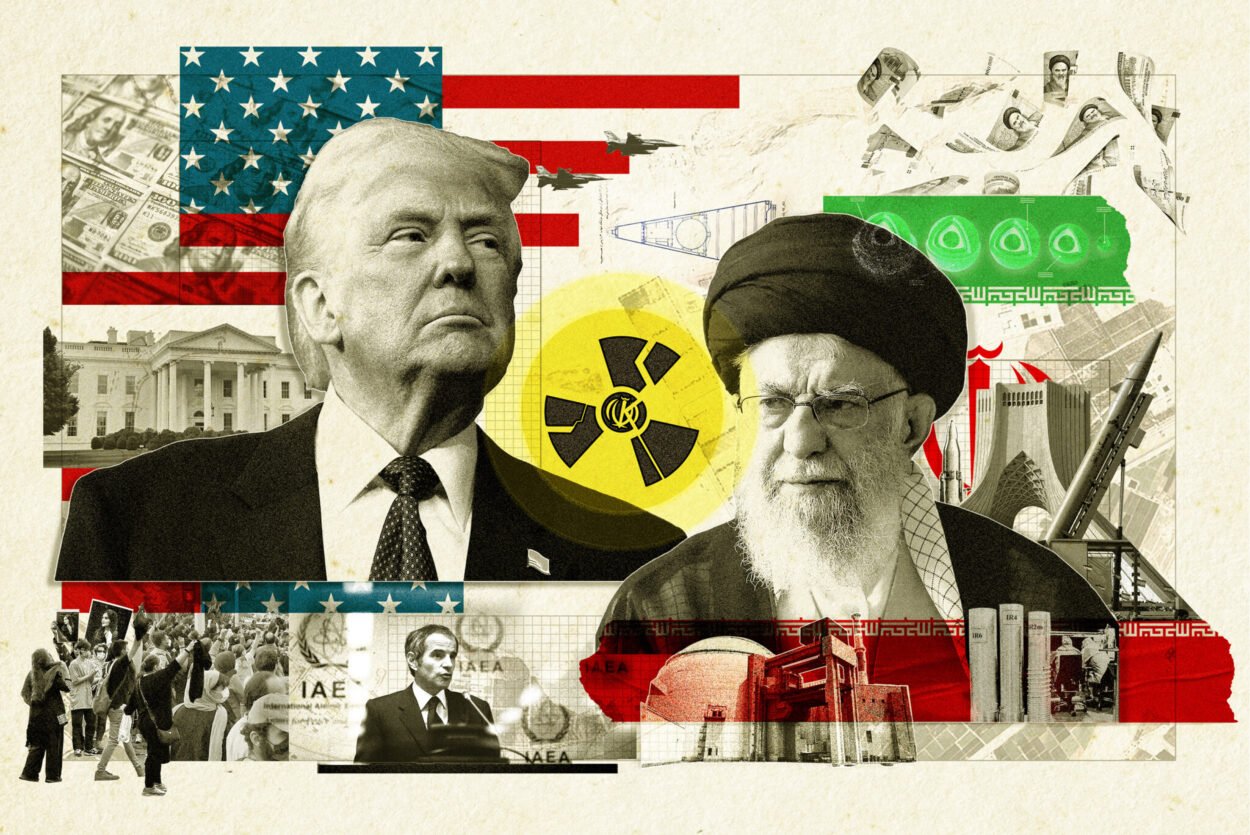
The relationship between the United States and the Islamic Republic of Iran stands as one of the most enduring and complex antagonisms in modern international affairs. Rooted in historical grievances, ideological opposition, and conflicting regional interests, this fraught relationship has shaped the geopolitics of the Middle East for over four decades. Despite intermittent attempts at diplomacy, deep mistrust and structural divergences continue to impede normalization.
Historical Roots: From Alliance to Estrangement
For much of the 20th century, the United States and Iran were strategic allies. Following the 1953 CIA-backed coup that deposed Prime Minister Mohammad Mossadegh, the U.S. became the principal external supporter of the Pahlavi monarchy. Under Mohammad Reza Shah, Iran emerged as a pillar of American Cold War strategy in the Middle East, receiving military aid, technological support, and political endorsement.
This alliance, however, fostered resentment among segments of the Iranian population who viewed the Shah’s regime as autocratic and excessively dependent on Western powers. The 1979 Islamic Revolution marked a dramatic rupture. The subsequent seizure of the U.S. Embassy in Tehran and the 444-day hostage crisis symbolized the beginning of a new era of enmity.
The revolution transformed Iran into a theocratic state guided by the principle of “Neither East nor West,” and defined by a profound opposition to American influence. For Washington, the Islamic Republic was quickly cast as a rogue actor—an exporter of revolution and a sponsor of terrorism.
The Sanctions Regime and Diplomatic Isolation
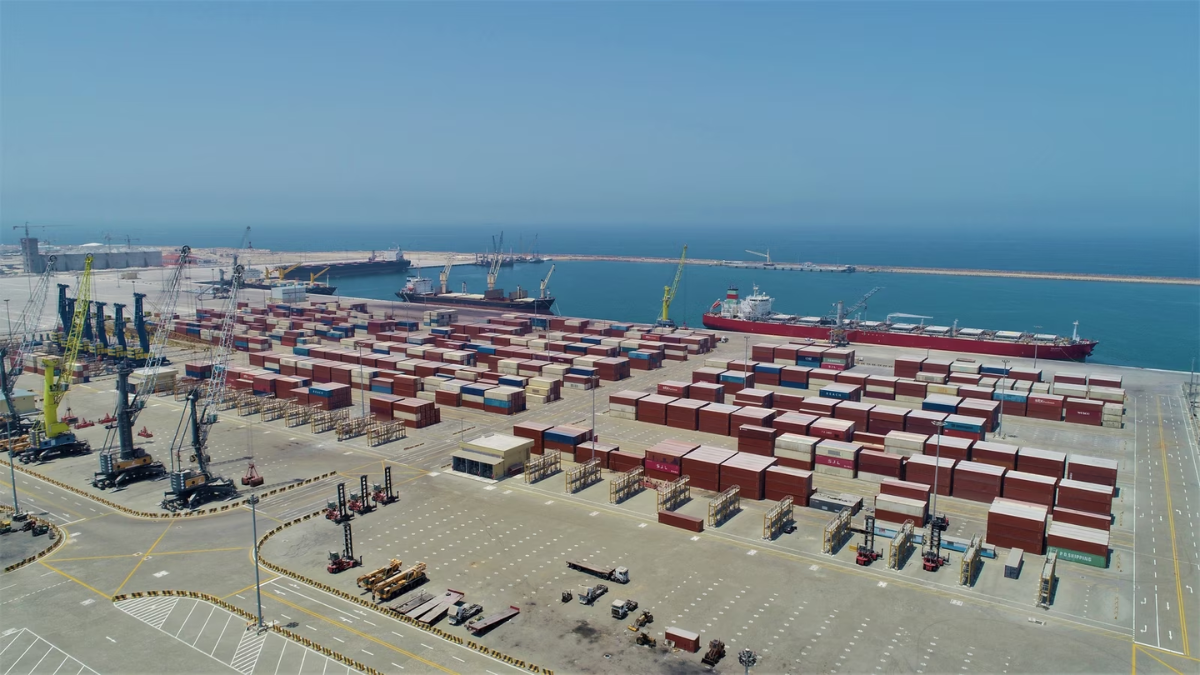
Following the revolution, the U.S. imposed a series of economic and political sanctions, which intensified over the decades, particularly in response to Iran’s nuclear ambitions, ballistic missile program, and regional activities. These measures—ranging from restrictions on trade and banking to sanctions targeting key sectors like oil and finance—have profoundly affected Iran’s economy and global standing.
The U.S. has long accused Iran of destabilizing the Middle East through support for non-state actors such as Hezbollah, and its involvement in conflicts in Iraq, Syria, Lebanon, and Yemen. Iran, conversely, sees its regional posture as a legitimate defense strategy against perceived encirclement by U.S. military bases and alliances with hostile Gulf states and Israel.
The Nuclear Question: Diplomacy and Deadlock
The most sustained diplomatic engagement between the two countries occurred during negotiations over Iran’s nuclear program, culminating in the 2015 Joint Comprehensive Plan of Action (JCPOA). Brokered under the Obama administration, the agreement imposed verifiable limits on Iran’s nuclear activities in exchange for sanctions relief.
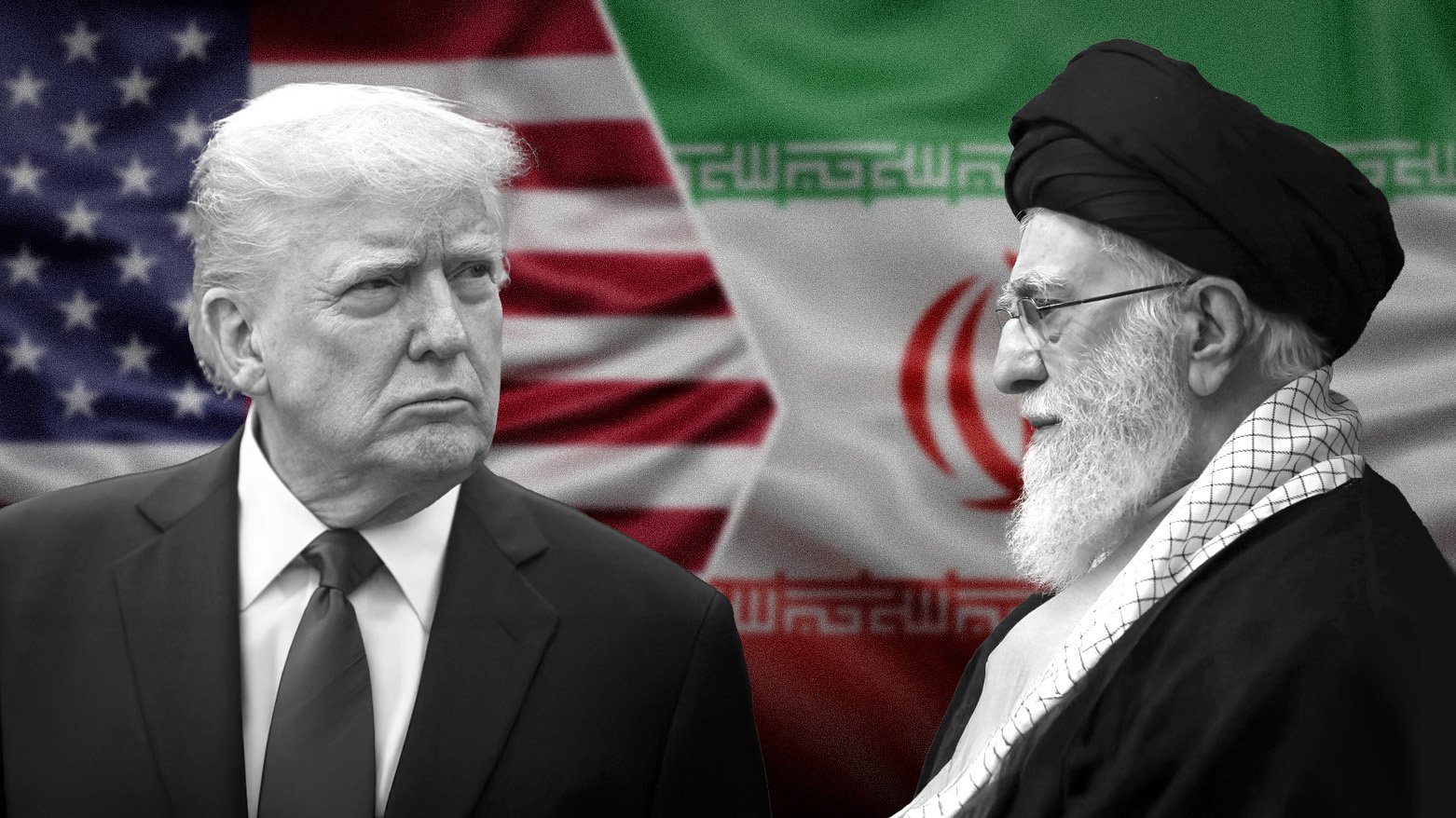
For a brief period, the JCPOA was hailed as a rare example of diplomacy triumphing over confrontation. However, the U.S. withdrawal from the agreement in 2018 under President Donald Trump and the reimposition of “maximum pressure” sanctions effectively nullified the accord and re-escalated tensions.
Iran responded by gradually reducing its compliance with the JCPOA’s terms, enriching uranium beyond agreed limits and increasing its nuclear capabilities—while continuing to deny it seeks a nuclear weapon. Subsequent attempts to restore the agreement under the Biden administration have stalled, hindered by political distrust, shifting regional dynamics, and hardline positions on both sides.
Military Flashpoints and Proxy Confrontations
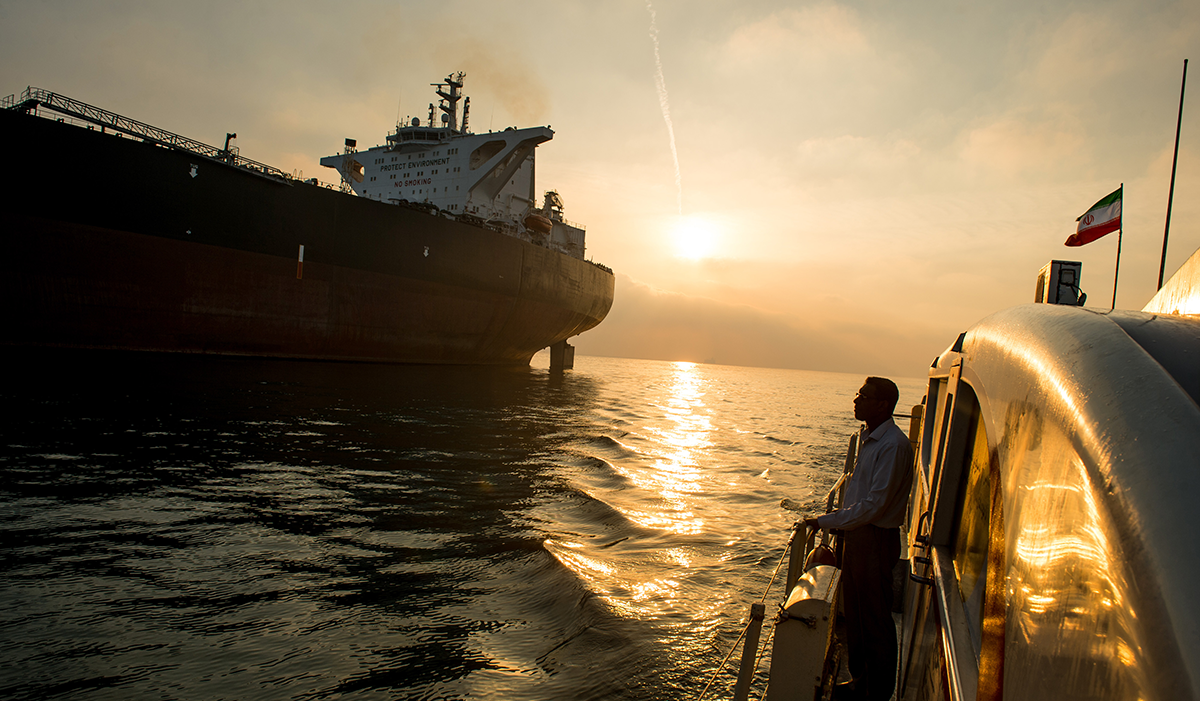
The U.S.–Iran conflict has periodically veered toward direct military confrontation, often through proxies but also via open hostilities. U.S. military presence in the Persian Gulf and Iran’s control over strategic waterways such as the Strait of Hormuz have been frequent sources of tension.
The 2020 U.S. assassination of General Qassem Soleimani, commander of the Quds Force, marked a dangerous escalation. Iran’s retaliatory missile strike on U.S. bases in Iraq, although causing no fatalities, demonstrated its willingness to respond with force while remaining below the threshold of full-scale war.
Cyberattacks, targeted assassinations of nuclear scientists, drone warfare, and sabotage operations—often attributed to the U.S. or its allies—further compound the volatility of the bilateral relationship.
Public Opinion and Domestic Constraints
Public opinion in both countries plays a significant role in shaping foreign policy. In Iran, widespread resentment toward sanctions coexists with deep skepticism about U.S. intentions, shaped by decades of historical grievances. In the U.S., successive administrations have struggled to reconcile domestic political pressures with strategic realities in the Middle East.
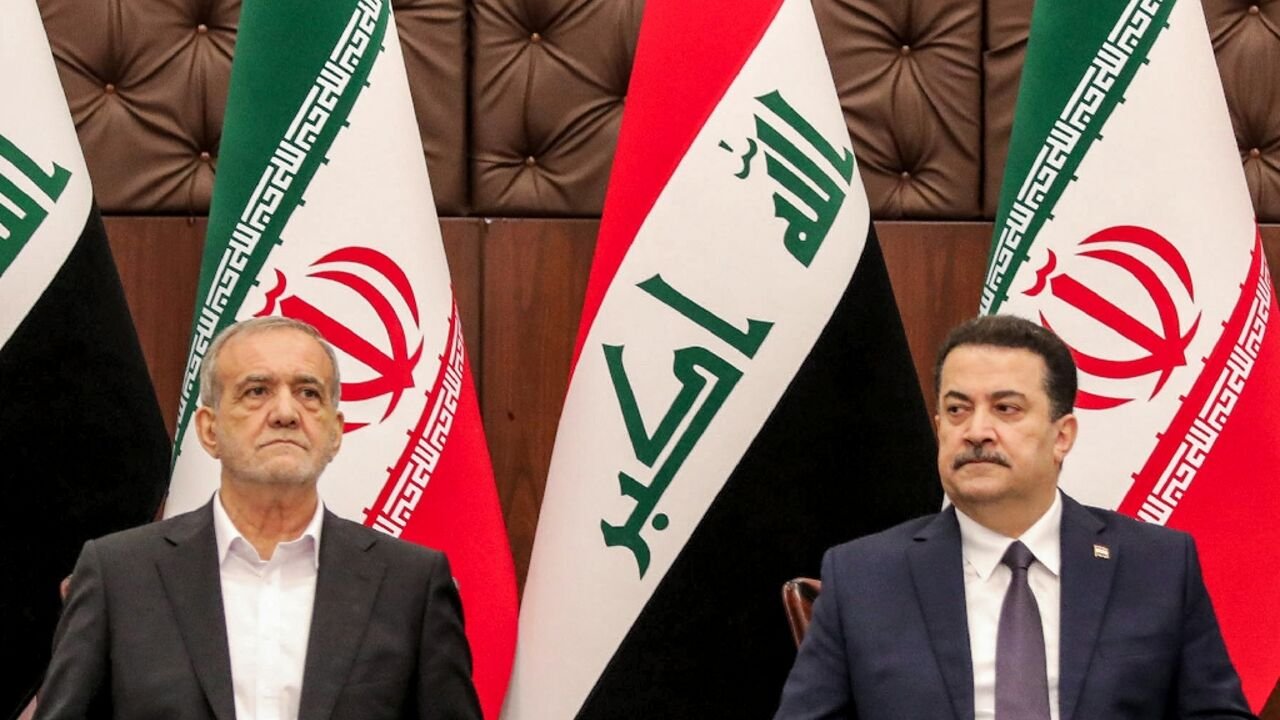
Iran’s complex internal politics—featuring competing factions between hardliners and pragmatists—often make foreign policy shifts difficult to sustain. Likewise, in the U.S., any attempt at engagement with Tehran tends to provoke sharp partisan debate, particularly in Congress.
Pathways Forward: Obstacles and Opportunities
While the prospect of full normalization remains distant, some analysts argue that limited cooperation on mutual interests—such as regional stability, energy security, and counter-narcotics—could pave the way for more sustained dialogue. The future of diplomacy likely hinges on four key variables:
- Leadership transitions in both countries and their respective domestic political climates.
- Broader regional developments, including normalization between Arab states and Iran, and the trajectory of U.S. involvement in the Middle East.
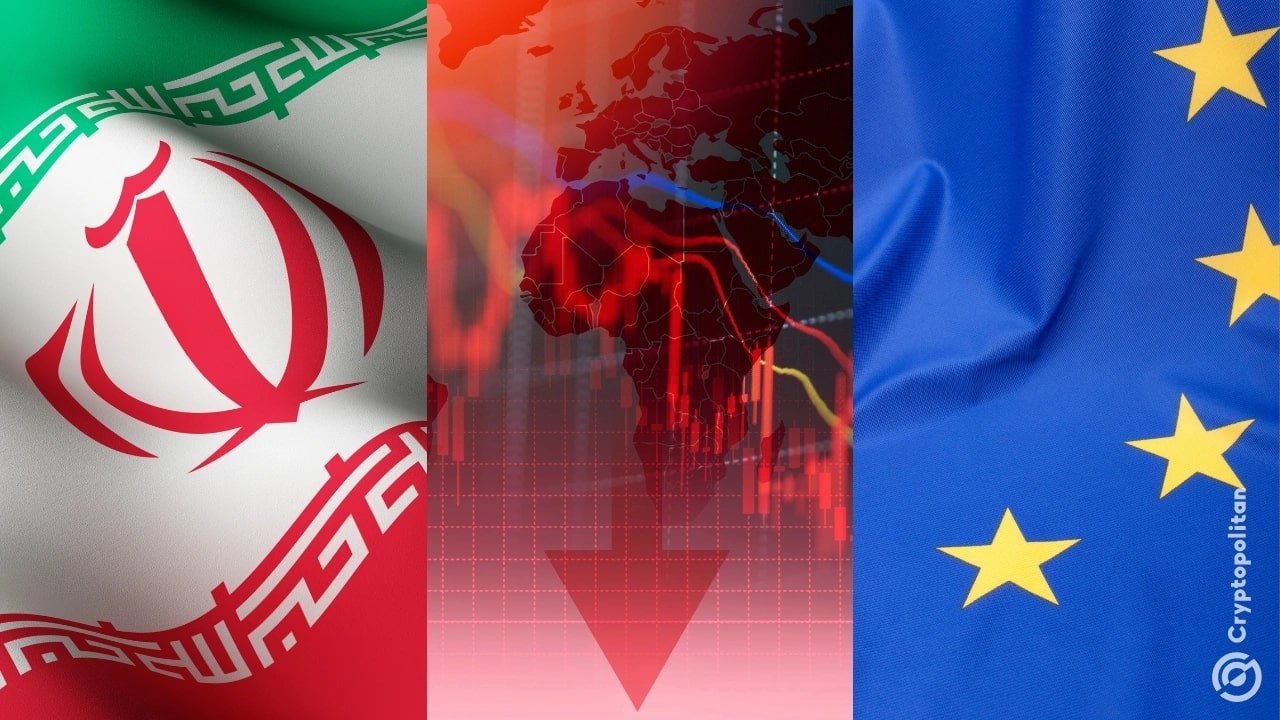
- International mediation, particularly by European or neutral states, to reinitiate nuclear or economic dialogue.
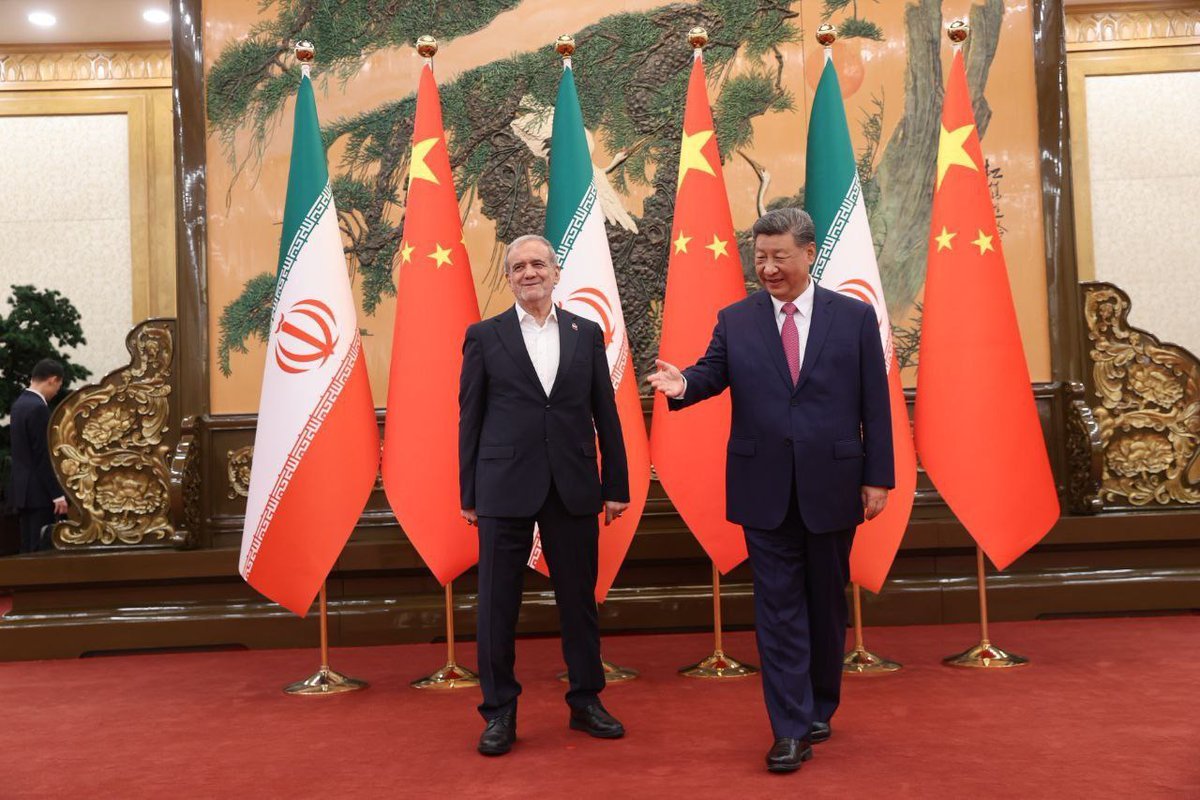
- The evolving global order, especially the roles of China and Russia in counterbalancing U.S. influence and supporting Iran economically and diplomatically.
Conclusion: Enduring Rivalry or Strategic Reset?
The U.S.–Iran relationship remains one of the most consequential and unresolved conflicts in international affairs. It is a rivalry sustained by mutual suspicion, historical trauma, and clashing visions for the future of the Middle East. Yet, it is also a relationship where the costs of perpetual hostility have become increasingly apparent.
As the geopolitical landscape shifts and regional alliances realign, the opportunity—however narrow—for a recalibration of U.S.–Iran relations remains. Whether this opportunity will be seized or squandered will depend on bold diplomacy, political will, and a reimagining of national interests that prioritize long-term stability over short-term gain.