Iran, Russia, and China: A Strategic Convergence in a Changing World Order
In the shifting landscape of global power, the trilateral relationship between Iran, Russia, and China has emerged as a significant axis of geopolitical interest. While each nation pursues distinct national interests, their convergence—driven by mutual economic needs, shared political outlooks, and a common opposition to Western dominance—has deepened notably over the past two decades. This evolving partnership is not merely tactical but increasingly strategic, reshaping regional alignments and global diplomacy.
Historical Context and Strategic Realignment
Iran’s relations with both Russia and China have historically oscillated between pragmatism and skepticism. For much of the 20th century, Iran maintained an uneasy relationship with the Soviet Union, marked by ideological divergence and territorial anxieties. Similarly, ties with China were limited, restrained by geographic distance and Cold War alignments. However, the post-2000 international order—especially the rise of U.S. unilateralism, the use of sanctions, and regional instability—has led to an accelerating recalibration of Iran’s foreign policy priorities.
The 2015 Joint Comprehensive Plan of Action (JCPOA) briefly opened doors for broader engagement with the West. However, the U.S. withdrawal from the agreement in 2018, coupled with increasing economic isolation, catalyzed Tehran’s pivot toward non-Western allies. In this context, both Russia and China emerged as essential partners in counterbalancing Western pressure.
Economic Interdependence and Infrastructure Cooperation
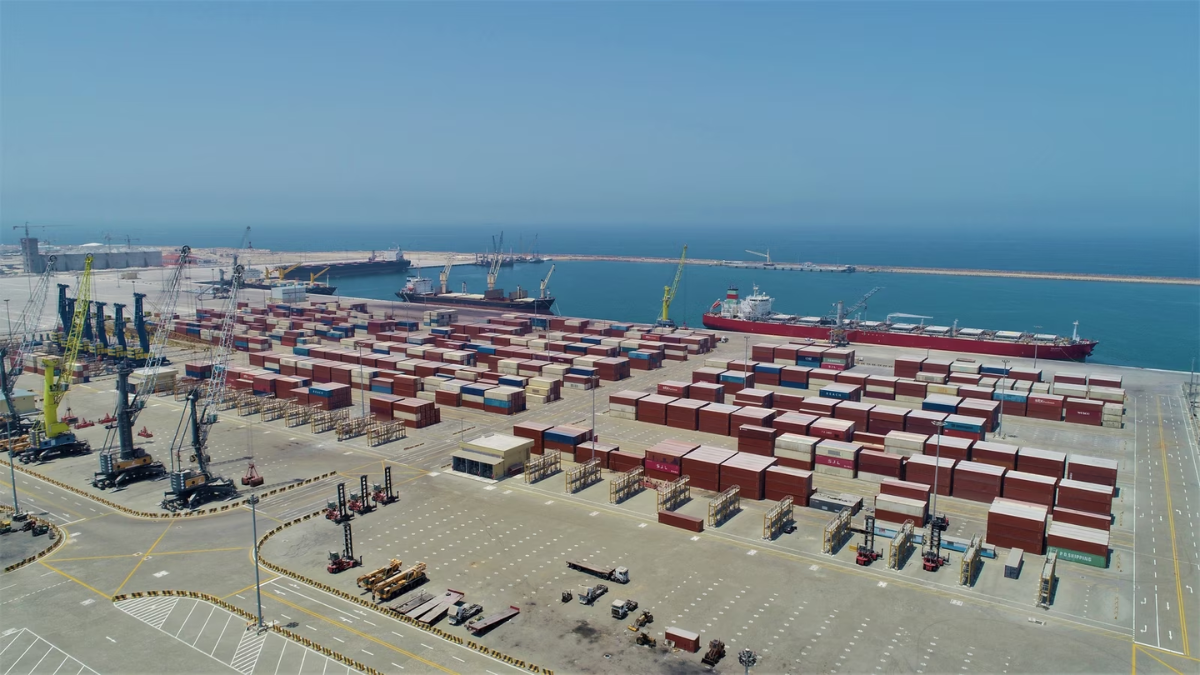
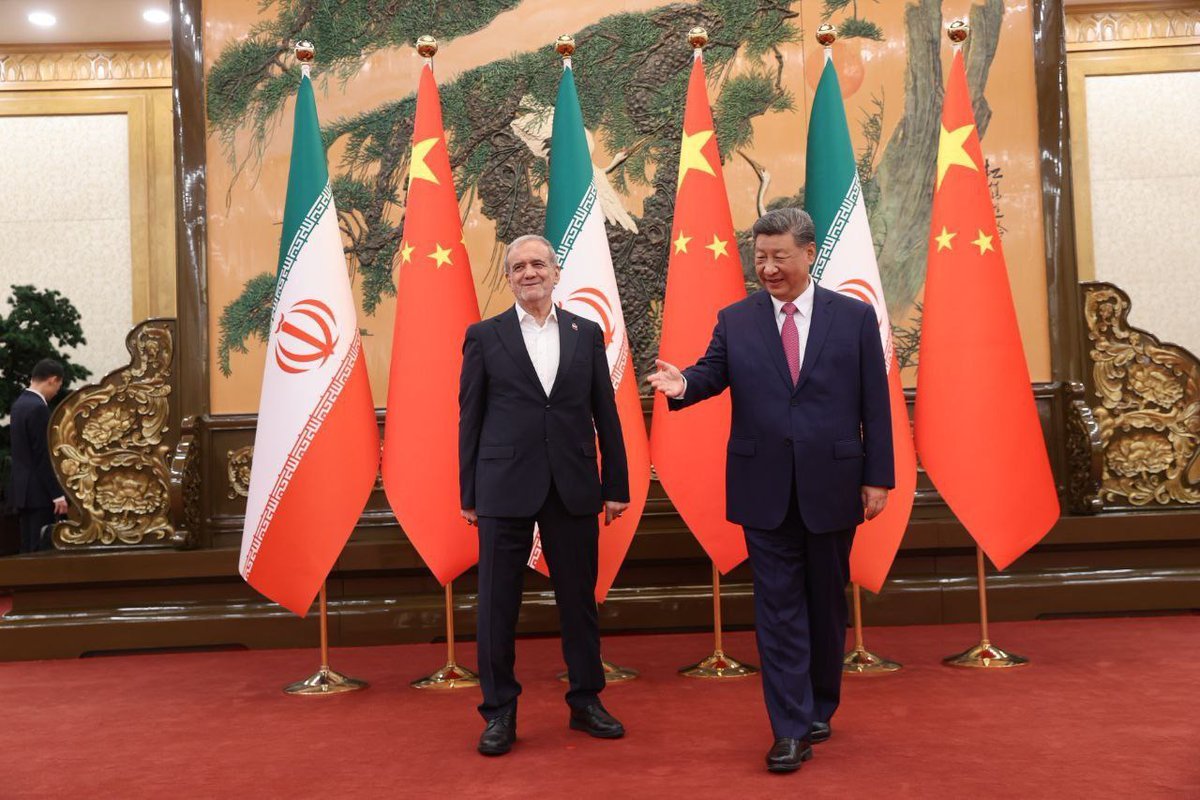
Iran’s economic engagement with China and Russia is rooted in shared interests in energy, trade, and infrastructure. China is Iran’s largest trading partner, and their economic ties were formalized through a 25-year strategic cooperation agreement signed in 2021. This comprehensive plan envisions Chinese investment in Iran’s infrastructure, oil and gas sectors, transportation, and telecommunications, offering Iran a vital lifeline amid continued Western sanctions.
Russia, though a smaller economic partner, plays a key role in military cooperation and nuclear energy. The Bushehr nuclear power plant, developed with Russian assistance, symbolizes their long-term collaboration in civil nuclear technology. In addition, discussions on a potential free-trade agreement between Iran and the Eurasian Economic Union (EAEU), led by Moscow, signal an intent to create alternative economic corridors.
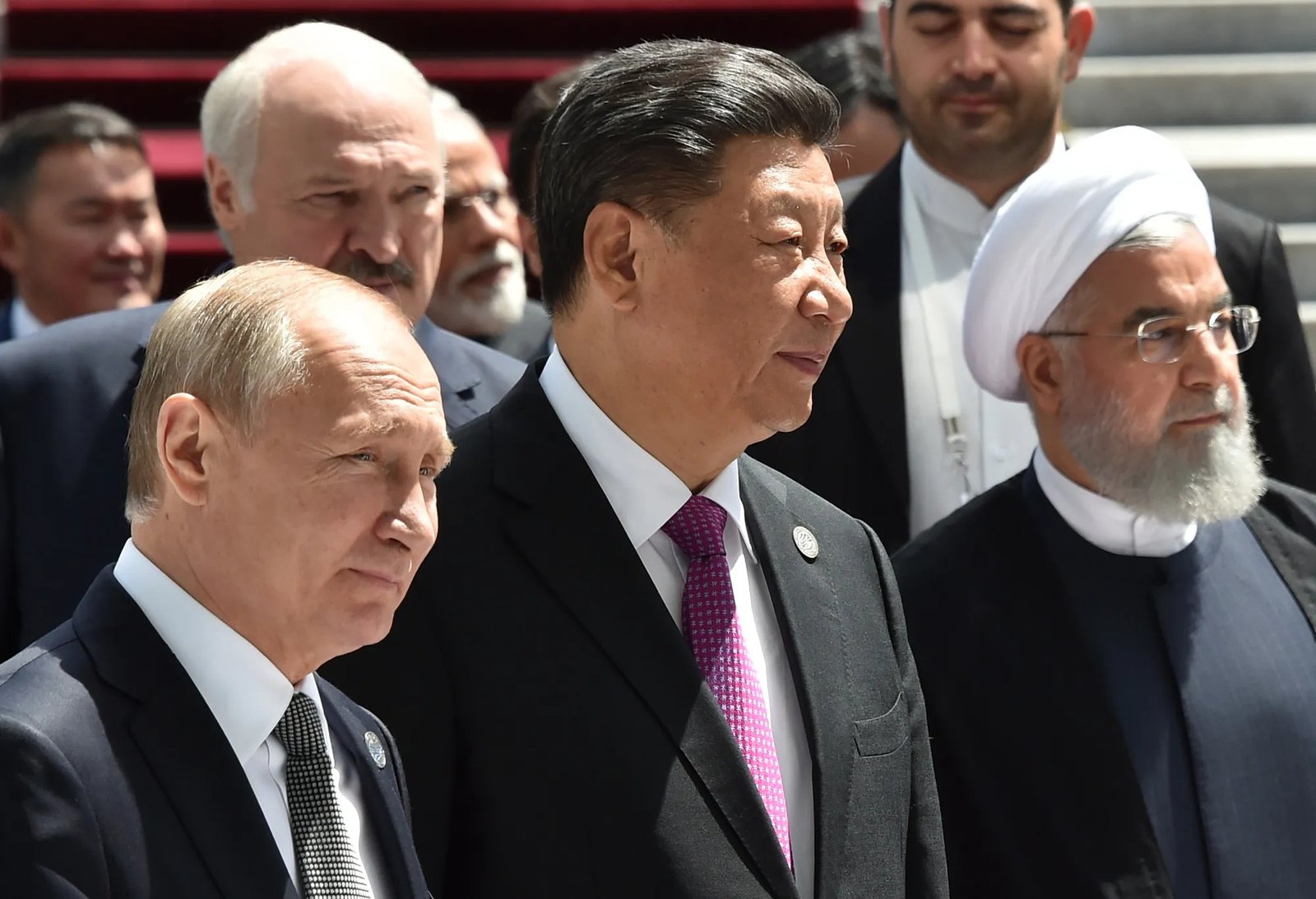
The three countries also collaborate within multilateral frameworks such as the Shanghai Cooperation Organisation (SCO), where Iran became a full member in 2023. This institutional alignment reflects their shared interest in fostering a multipolar world order.
Military and Strategic Dimensions
Military cooperation has become increasingly visible. Iran has conducted joint naval drills with both Russia and China in the Indian Ocean and the Gulf of Oman, signaling a show of unity and maritime interoperability. These exercises are not only symbolic of trust but also strategically aimed at deterring adversarial presence in key waterways.
Russia has relied on Iranian-made drones in the context of the Ukraine war, a development that has raised concerns in the West and underscored a new level of military collaboration. Iran, for its part, benefits from Russian technology transfers and potential procurement of advanced defense systems. While such exchanges are subject to international scrutiny, they suggest a shift in defense diplomacy that bypasses traditional Western suppliers.
Shared Political Objectives and Global Narratives
The Iran–Russia–China triangle is underpinned by a shared resistance to what all three view as Western hegemony. Each country has been subjected to varying degrees of U.S.-led sanctions and has experienced diplomatic isolation at different points. Their collective response involves not just transactional cooperation but the articulation of alternative governance models, regional influence strategies, and information narratives.
China’s Belt and Road Initiative (BRI), Russia’s Eurasianism, and Iran’s “Look to the East” policy converge around the concept of regional sovereignty, anti-interventionism, and the right to independent development. In various international forums, from the UN Security Council to regional alliances, these countries increasingly coordinate diplomatic messaging and policy stances.
Challenges and Asymmetries
Despite growing alignment, the trilateral relationship is not without its frictions. Iran is the junior partner in both its relationships, especially with China, whose economic leverage and geopolitical ambitions far exceed Tehran’s. There are also concerns within Iranian political circles about becoming overly dependent on Beijing or being sidelined in favor of stronger bilateral ties between Russia and China.
Moreover, the interests of the three nations are not always perfectly aligned. For instance, while China maintains strong trade relations with U.S. allies in the Persian Gulf, Iran's antagonistic posture toward these states presents a balancing act for Beijing. Similarly, Russia’s ties with Israel and its own geopolitical calculus in Syria complicate Tehran’s regional agenda.
Conclusion: A Strategic but Pragmatic Axis
The Iran–Russia–China relationship is best understood as a pragmatic strategic alignment rather than a formal alliance. It is driven by overlapping interests rather than ideological unity, and shaped as much by necessity as by ambition. As the global order continues to fragment and multipolarity gains momentum, this triangle is likely to play an increasingly influential role in global affairs—especially in the Middle East, Central Asia, and the Indo-Pacific.
For Iran, the relationship offers short-term relief from isolation and long-term opportunities for economic and strategic diversification. For Russia and China, Iran serves as a critical node in broader regional strategies and a valuable partner in challenging U.S.-led systems of power.
Whether this convergence will evolve into a more institutionalized bloc or remain a fluid alignment of convenience will depend on how each country manages its own priorities, vulnerabilities, and external pressures in an uncertain global environment.